


Enhancing Ventilation and Ammonia Control in Closed-Layer H-Type Chicken Coops for Optimal Egg Production
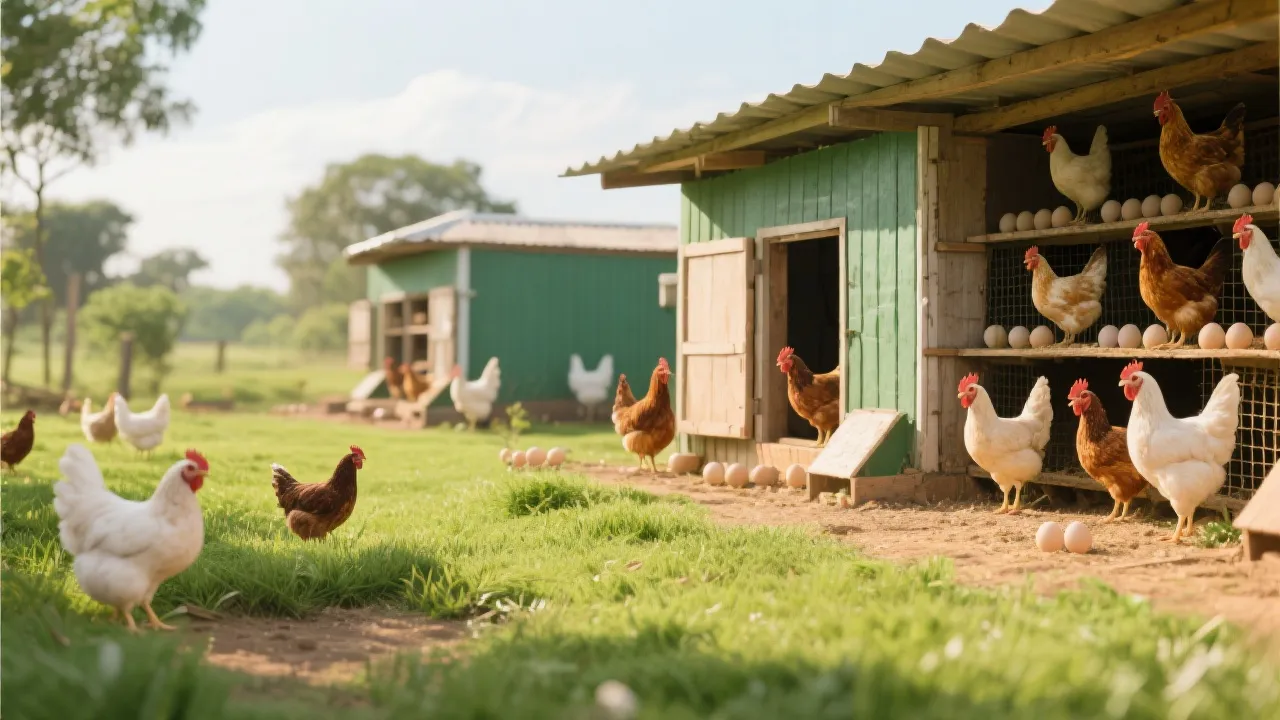
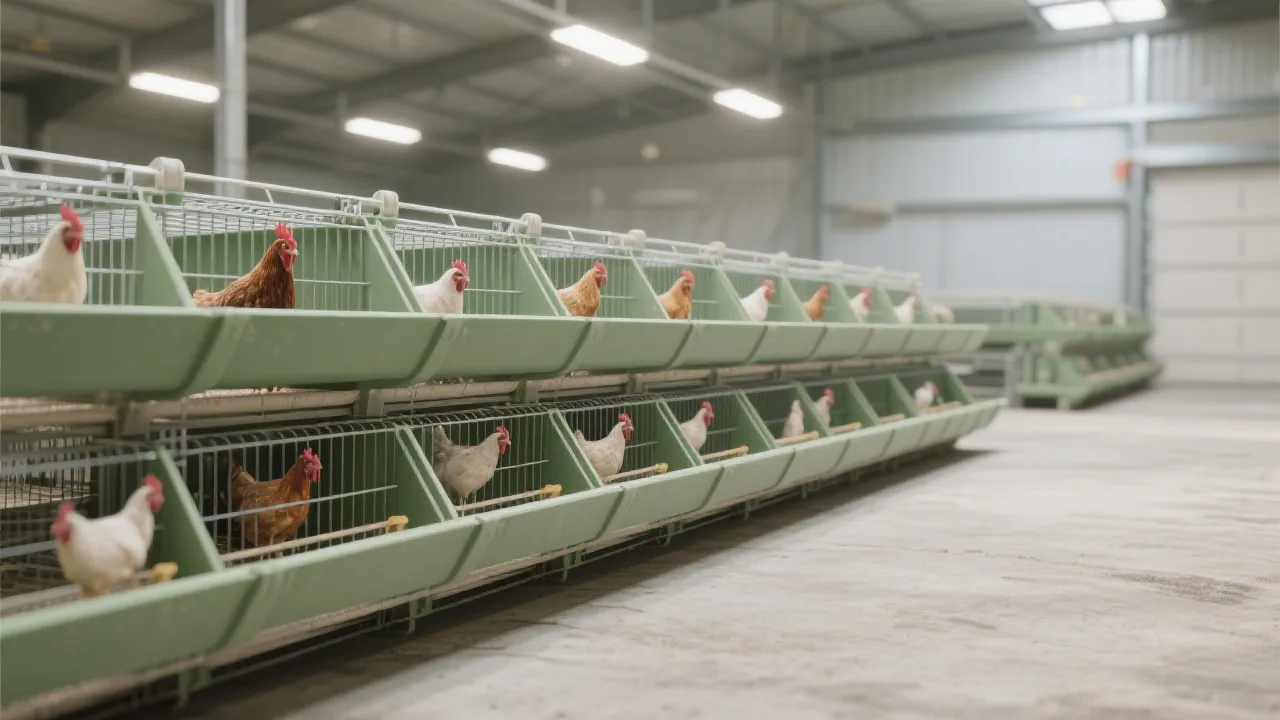
How H-Type Layered Chicken Cages Enhance Ventilation in Closed Egg-Laying Hen Houses
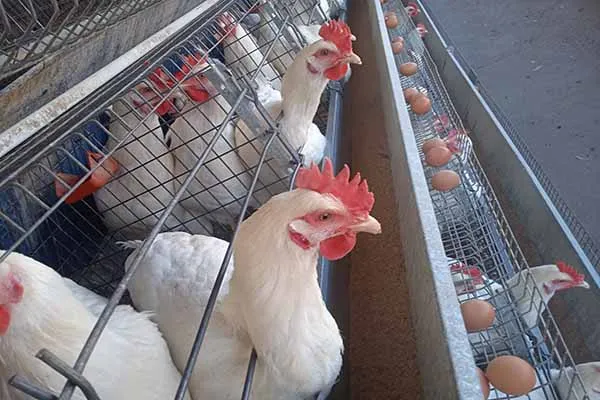
Maintaining optimal air circulation and controlling ammonia levels inside closed-layer poultry houses is a key challenge for any poultry farmer focused on maximizing production and animal welfare. You might have struggled with poor ventilation, frequent heat stress episodes, or unpleasant ammonia concentrations that threaten the health and productivity of your laying hens.
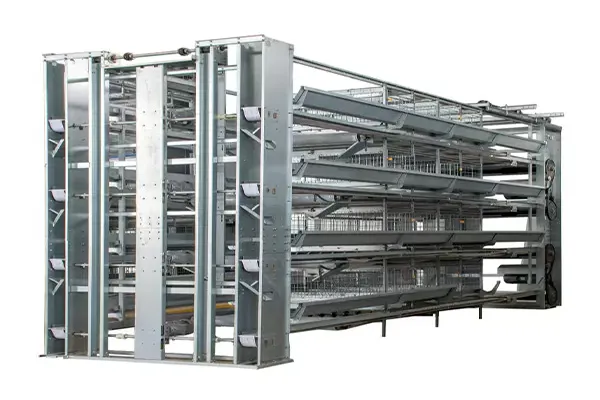
The H-type layered chicken cage system, designed by Zhengzhou Livi Machinery, leverages thoughtful aerodynamic principles to tackle these exact issues. By integrating a strategic combination of a top air guide plate, adjustable sidewall windows, and high-performance exhaust fans, the system achieves well-balanced airflow and maintains ammonia concentrations at or below 15 ppm—ensuring healthier chickens and a cleaner environment.
The Science Behind the Airflow Mechanism
The core innovation lies in the top air guide plate installed above the H-shaped cages. This component channels incoming air horizontally along the cage tiers, preventing stagnation zones that are typical in traditional setups. Meanwhile, the sidewall windows open to create fresh air inlets, and their size is calibrated seasonally to optimize air velocity without causing drafts that could stress the flock.
Combined with exhaust fans calibrated for balanced pressure, this triad orchestrates controlled, continuous ventilation — dramatically reducing pocketed ammonia gas build-up, moisture accumulation, and heat stress. In fact, independent farm trials show ammonia levels decreased from an average of 30-35 ppm under traditional cages to consistently below 15 ppm with this H-type system.
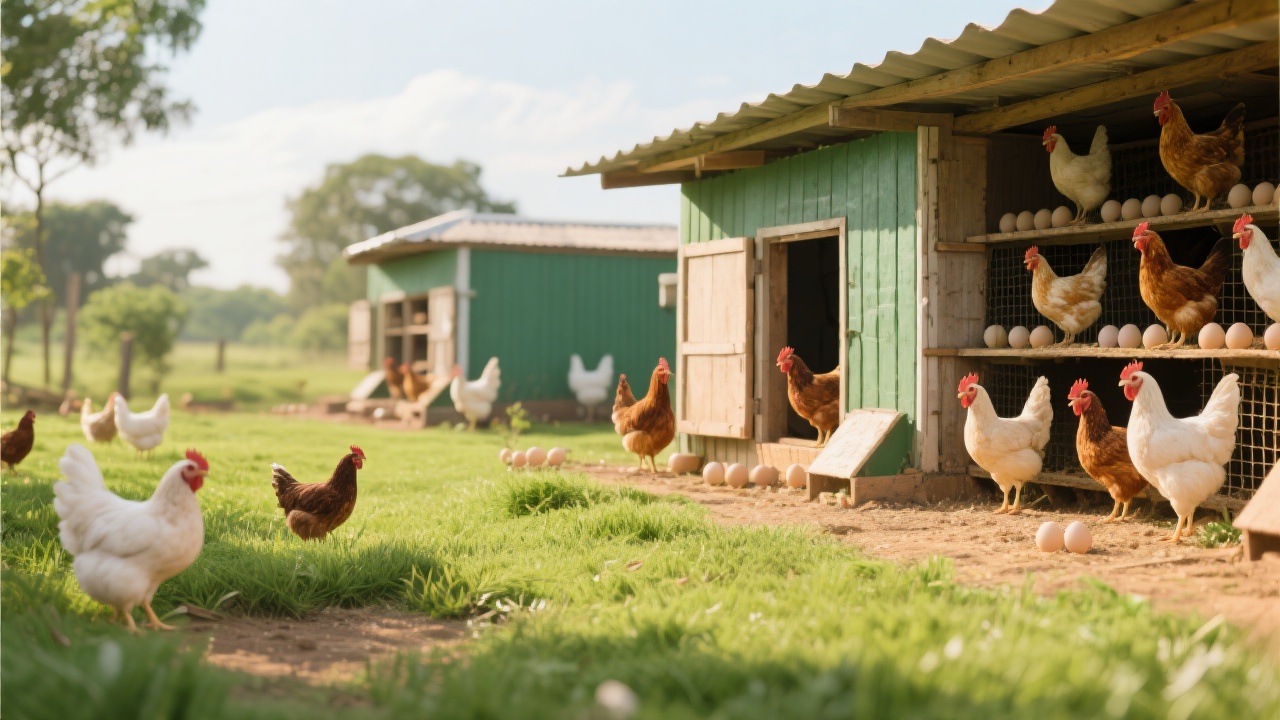
Seasonal Adjustments: Maximizing Ventilation Efficiency Year-Round
Controlling temperature and airflow in a sealed environment is a balancing act between preventing heat stress in summer and conserving warmth in winter. With the H-type cages, you can adjust cage spacing seasonally:
- Summer: Increasing lateral spacing between cages promotes superior airflow, helping dissipate heat and reduce thermal stress on hens.
- Winter: Reducing cage spacing helps retain ambient warmth, cutting down heating costs while preserving ventilation efficiency to avoid humidity buildup.
This adaptable design ensures you maintain a stable microclimate conducive to high egg production, while also optimizing energy use over the full production cycle.
Smart Environmental Monitoring: Real-time Temperature & Humidity Control
Deploying temperature and humidity sensors at strategic points within the H-type cage units enables precision monitoring. This data feeds into an intelligent control system that automatically triggers ventilation adjustments or heating elements to sustain ideal conditions.
By automating these environmental controls, you reduce human error and respond proactively to changing conditions, further mitigating risks tied to heat stress or respiratory infections linked to poor air quality.
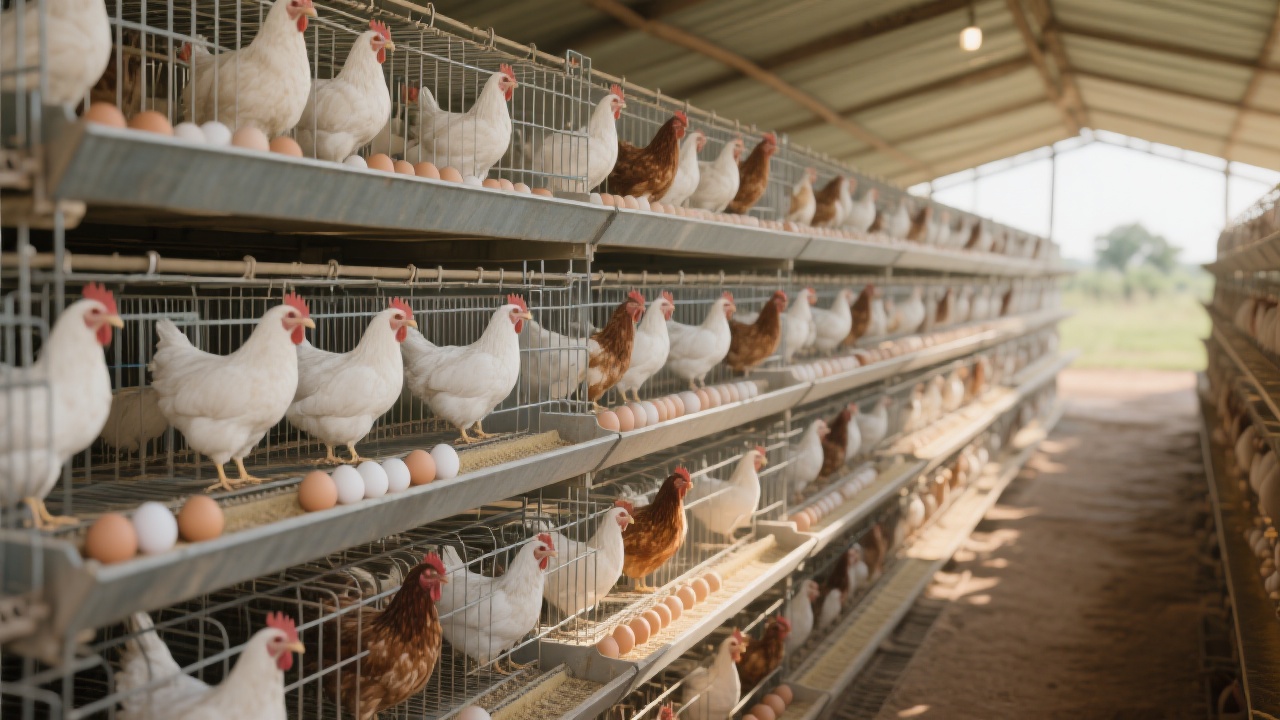
Material Durability Boosts Long-Term Performance
In wet or humid poultry environments, corrosion is a persistent challenge. The H-type cages utilize a hot-dip galvanized steel framework coated with a special aluminum-zinc alloy layer. This combination delivers exceptional resistance against rust, extending the life of your investment and minimizing downtime for maintenance.
Such materials not only preserve structural integrity but also maintain hygiene standards, reinforcing animal health and performance stability over multiple production cycles.
Proven Impact on Egg Production: Real-World Case Study
Zhengzhou Livi Machinery collaborated with a major commercial poultry farm to retrofit its closed egg-laying houses with the H-type layered cages. Over a year-long monitoring period:
- Ammonia concentrations were reduced from approximately 32 ppm to below 15 ppm.
- The average daily egg production per hen increased by 8%, a substantial uplift compared to traditional cages.
- Incidence of respiratory illnesses dropped significantly, lowering veterinary expenses.
- Energy consumption for heating and ventilation was optimized due to improved zoning and automation.
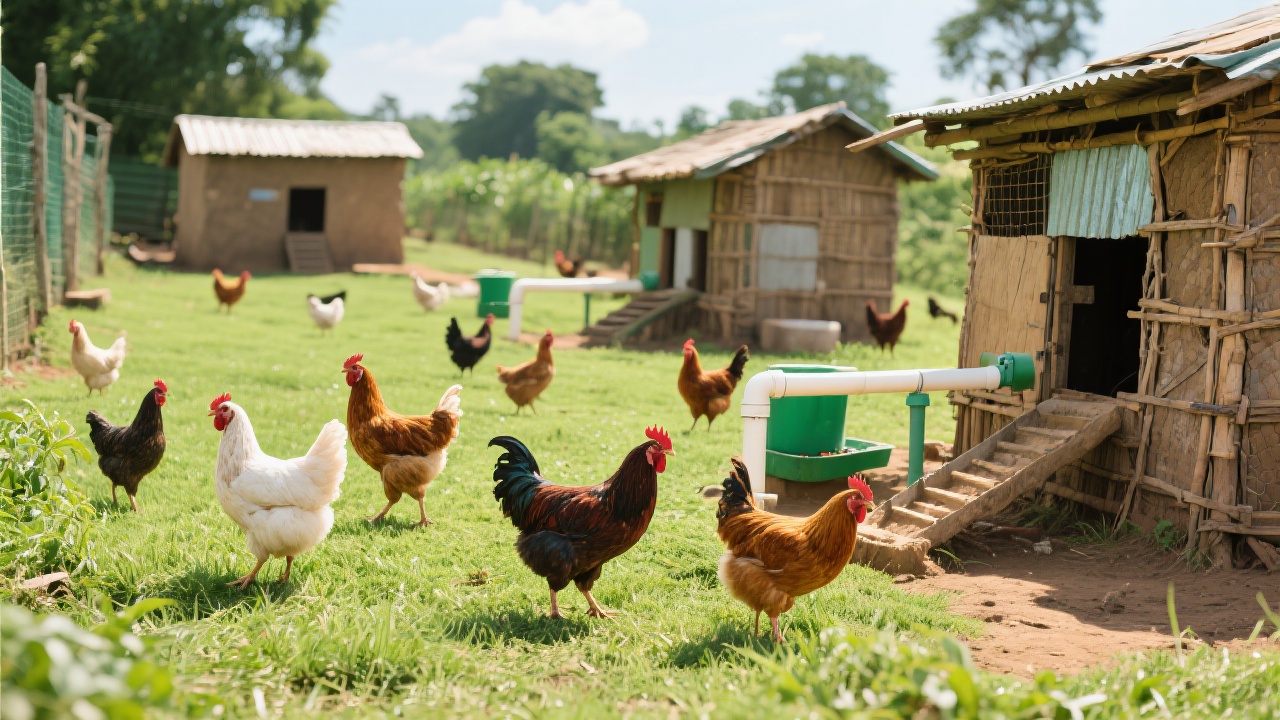
Such impressive figures highlight the tangible benefits of embracing an engineered airflow solution tailored to closed poultry systems. After all, letting every chicken breathe freely and comfortably is the first step toward producing more eggs efficiently.



Hot Products

.jpg?x-oss-process=image/resize,m_fill,h_800,w_800/format,webp)


Popular articles




READY TO START?
Ready to Build Your Poultry Farm?
Tell us your land size, poultry type and farming capacity. LIVI will provide a complete farm solution for your project.