


H-Type Layered Chicken Cage Ventilation Design: Key to Improving Air Quality in Closed Poultry Houses
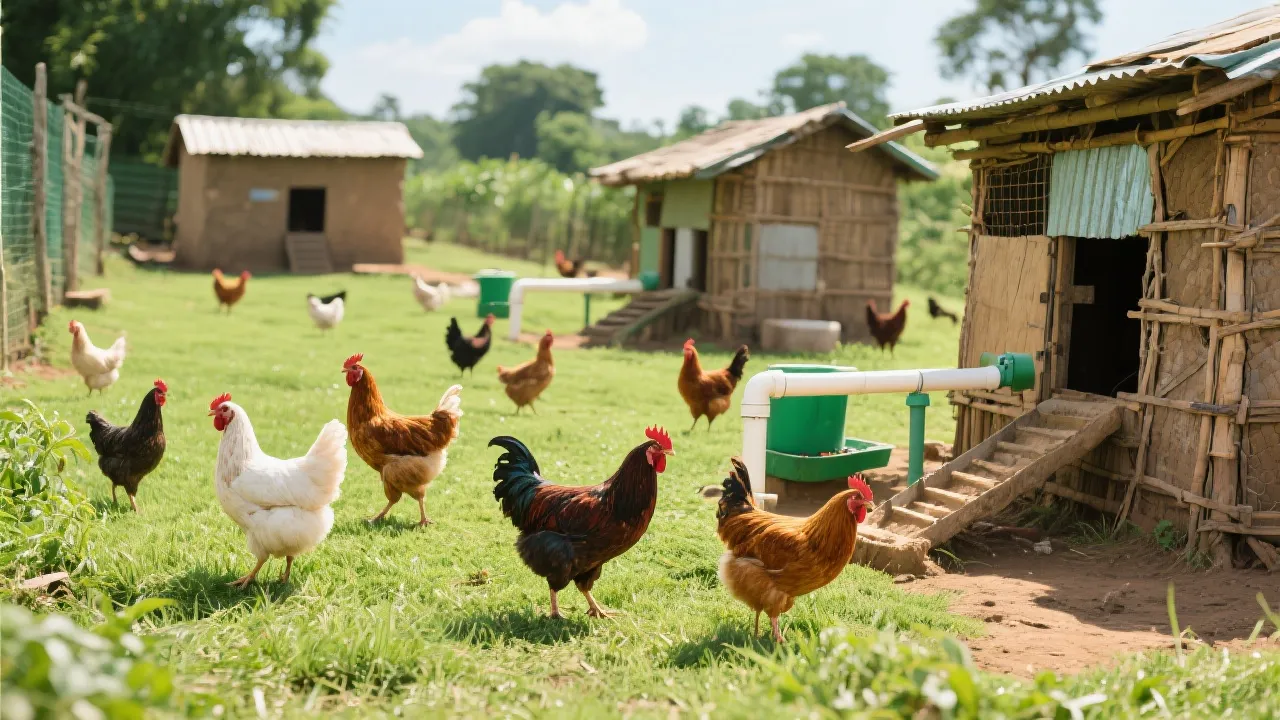
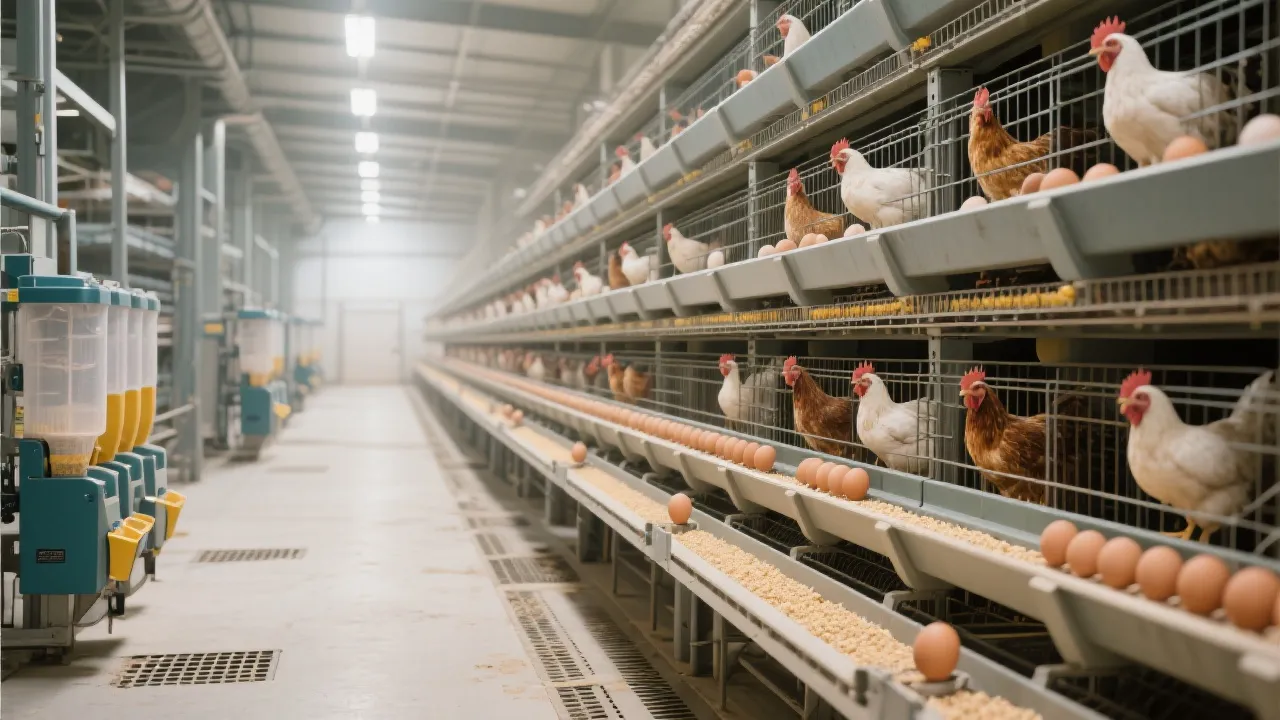
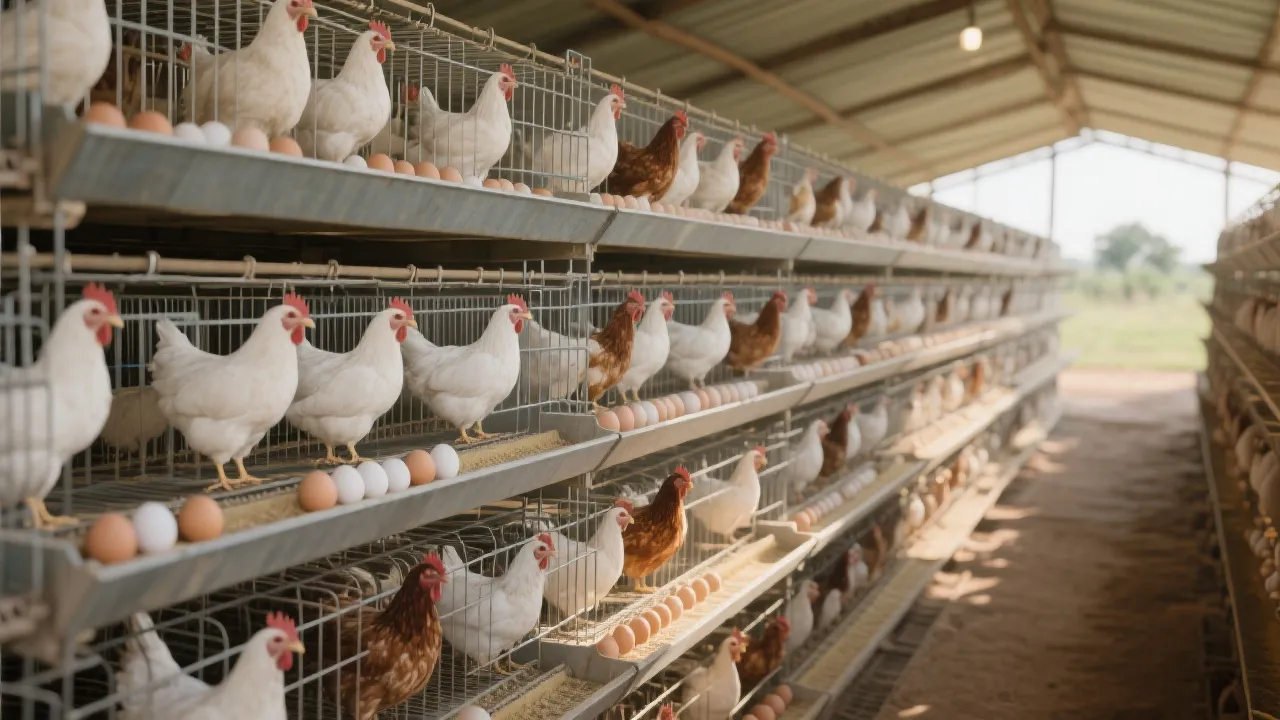
As modern poultry farming evolves toward intensive production systems, maintaining optimal air quality in enclosed henhouses has become a critical challenge for egg producers worldwide. High ammonia levels, excessive humidity, and poor ventilation not only compromise bird welfare but directly impact production efficiency and profitability.
The Hidden Costs of Poor Ventilation in Layer Houses
Poorly ventilated chicken houses create a perfect storm for productivity decline. Research shows that ammonia levels exceeding 20ppm can cause respiratory issues, eye irritation, and decreased feed intake in laying hens. A study by the Poultry Science Association found that birds exposed to sustained ammonia concentrations above 15ppm experienced:
- 12-15% reduction in feed conversion efficiency
- 8-10% decrease in egg production rates
- 30% higher incidence of respiratory diseases
- 25% increase in mortality rates during heat stress periods
These statistics translate directly to financial losses. For a mid-sized operation with 50,000 laying hens, even a 5% drop in egg production represents approximately 75,000 fewer eggs per month, equating to significant revenue reduction.
Revolutionary Airflow Dynamics: The H-Type Layer Cage Advantage
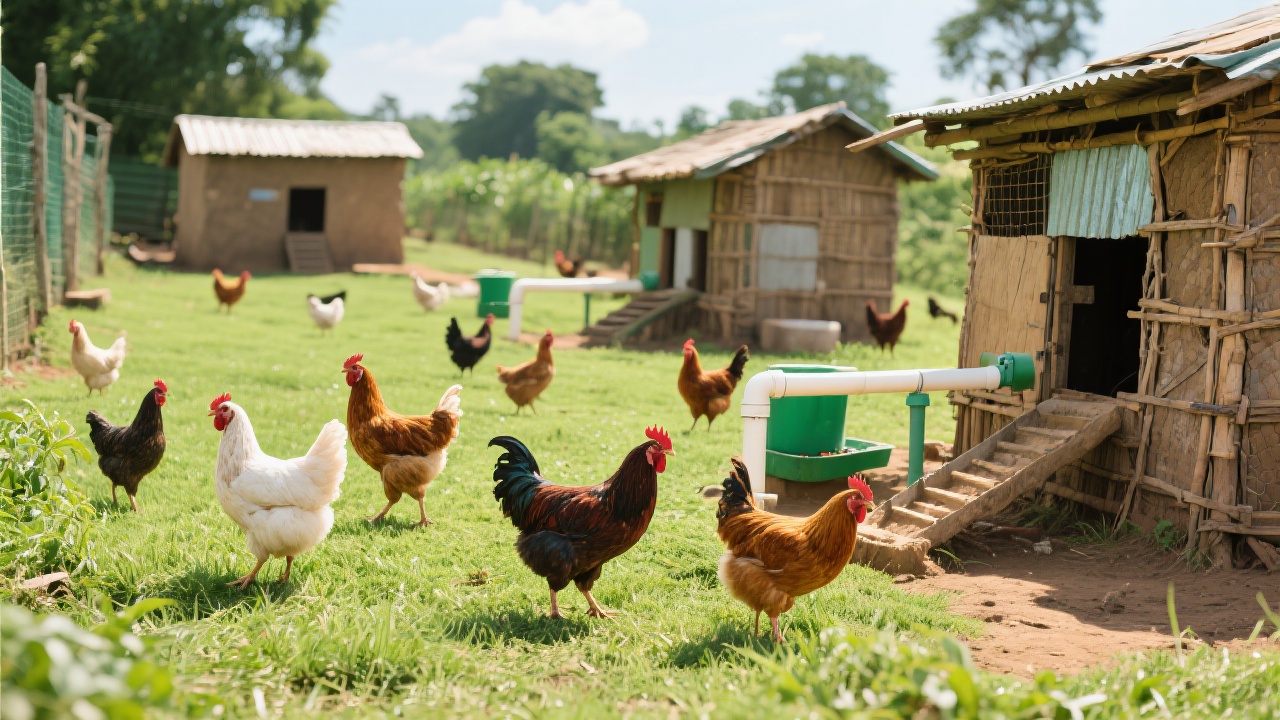
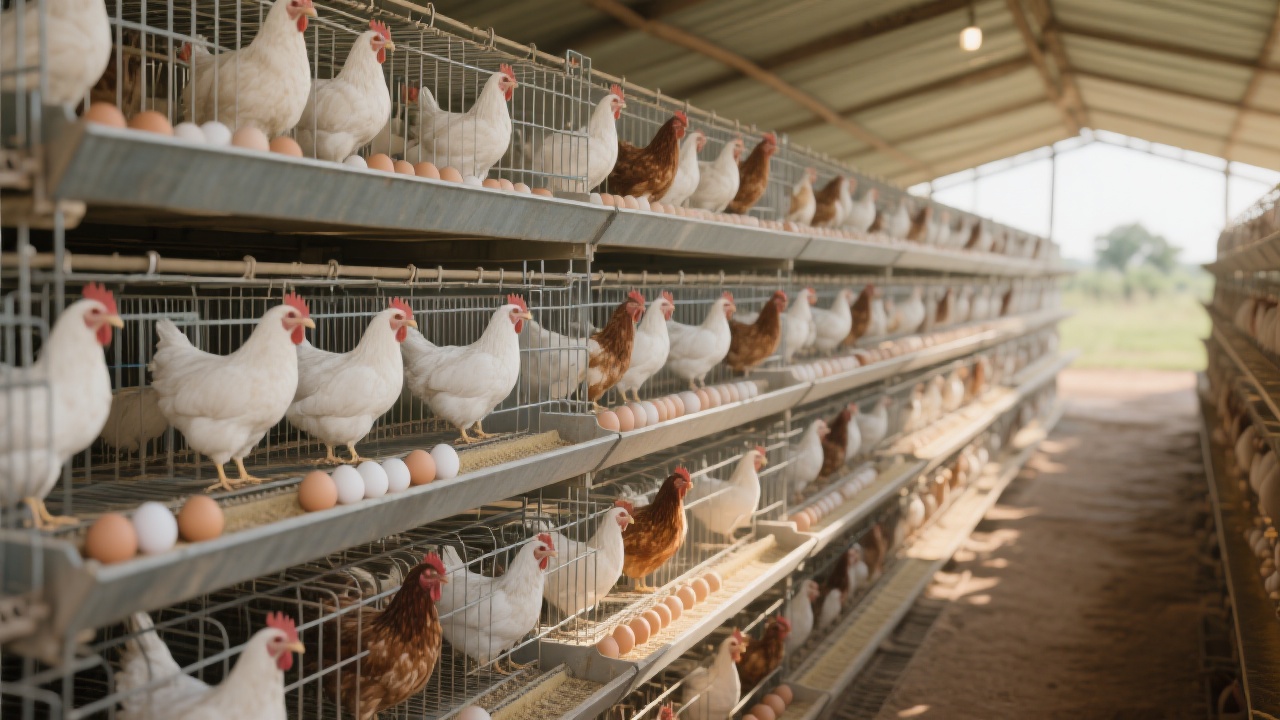
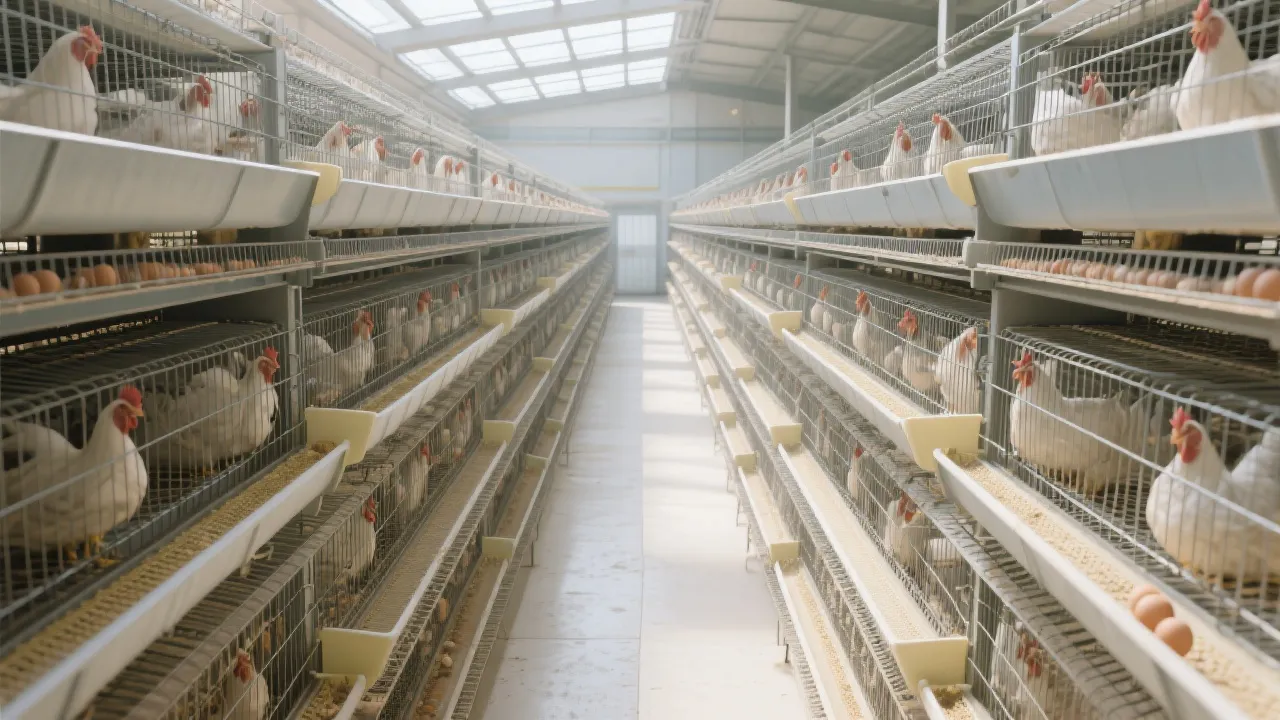
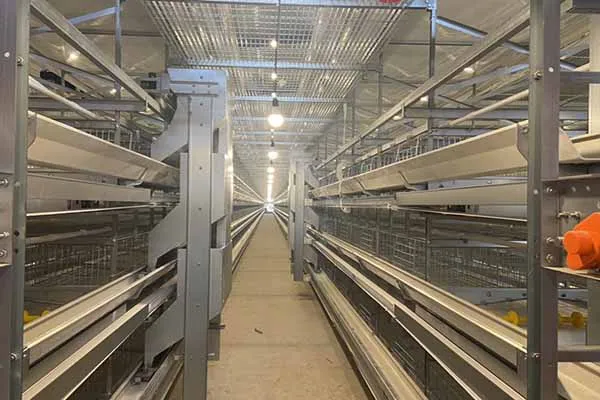
Zhengzhou Livi Machinery's H-Type Layer Cage system introduces a paradigm shift in poultry house ventilation through its integrated airflow management design. Unlike traditional cage systems that rely on passive ventilation or isolated fans, this innovative approach creates a systematic air exchange process that ensures consistent environmental conditions throughout the entire henhouse.
Triple-Phase Ventilation System: How It Works
The H-Type system's ventilation success lies in its three-part coordinated approach:
1. Strategic Air Intake Design
Specially engineered top deflectors create laminar airflow that distributes fresh air evenly across the cage tops, preventing the formation of stagnant air pockets where ammonia accumulates.
2. Sidewall Airflow Regulation
Adjustable sidewall openings work in harmony with the top deflectors to create a cross-ventilation effect, ensuring air movement reaches all levels of the cage structure.
3. Targeted Exhaust System
Variable-speed exhaust fans strategically positioned to remove contaminated air at the optimal points, maintaining a consistent negative pressure environment.
Seasonal Adaptation: Year-Round Environmental Control
One of the most innovative features of the H-Type system is its adaptability to seasonal changes. By adjusting cage spacing and ventilation parameters, producers can maintain optimal conditions throughout the year:
| Season | Optimal Spacing | Ventilation Strategy | Target Parameters |
|---|---|---|---|
| Summer | Increased by 15-20% | Max airflow, evaporative cooling | Temperature: 24-26°C, Humidity: 55-65% |
| Winter | Standard spacing | Reduced airflow, heat recovery | Temperature: 18-22°C, Humidity: 50-60% |
Intelligent Environmental Management Integration
Beyond the physical design, the H-Type system integrates seamlessly with modern environmental monitoring technology. Strategically placed sensors continuously measure key parameters, providing real-time data to optimize ventilation performance:
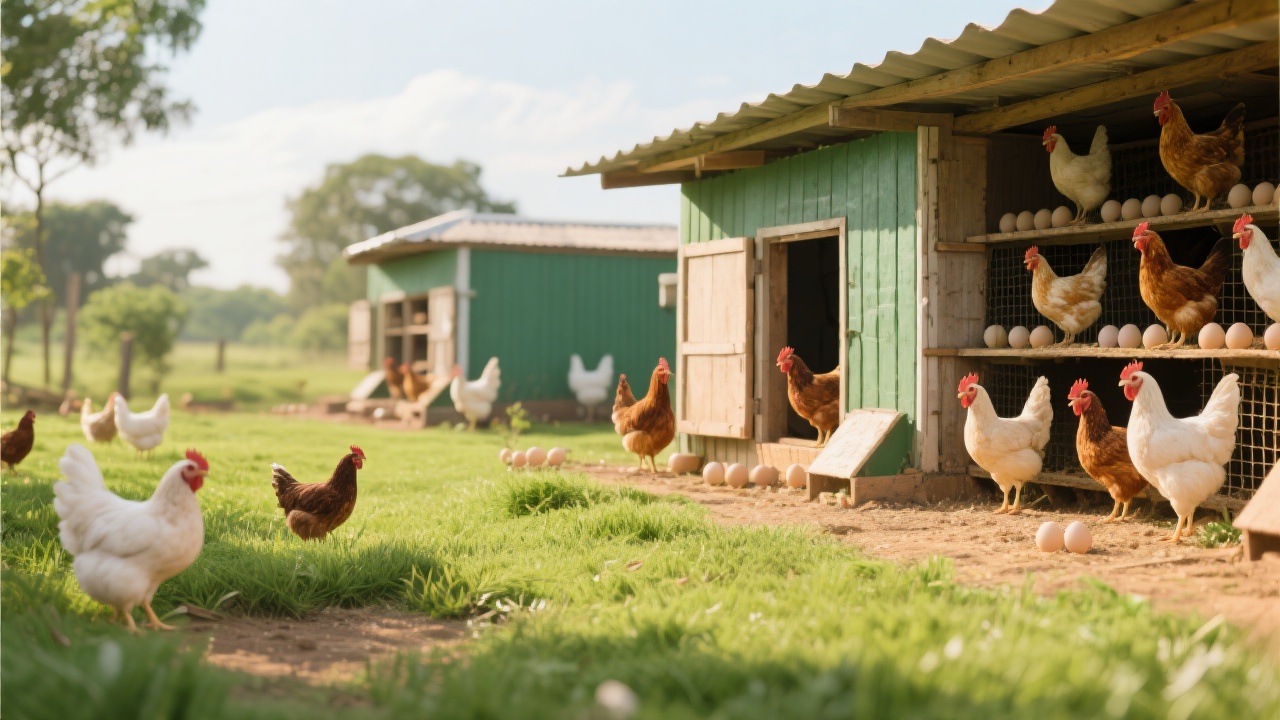
Key Monitoring Points: Ammonia (target ≤15ppm), temperature (18-26°C depending on season), relative humidity (50-65%), and air velocity (0.2-0.5 m/s at bird level). The system automatically adjusts ventilation rates based on these readings to maintain optimal conditions.
Durability in Challenging Environments
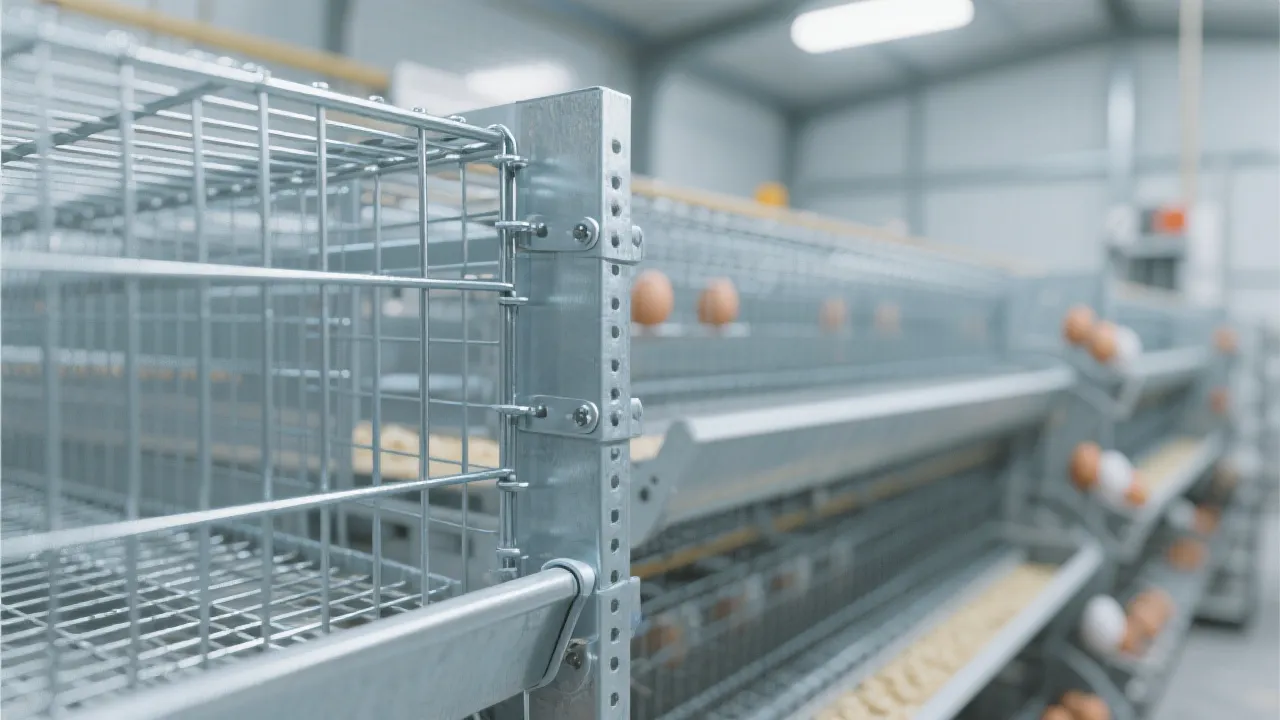
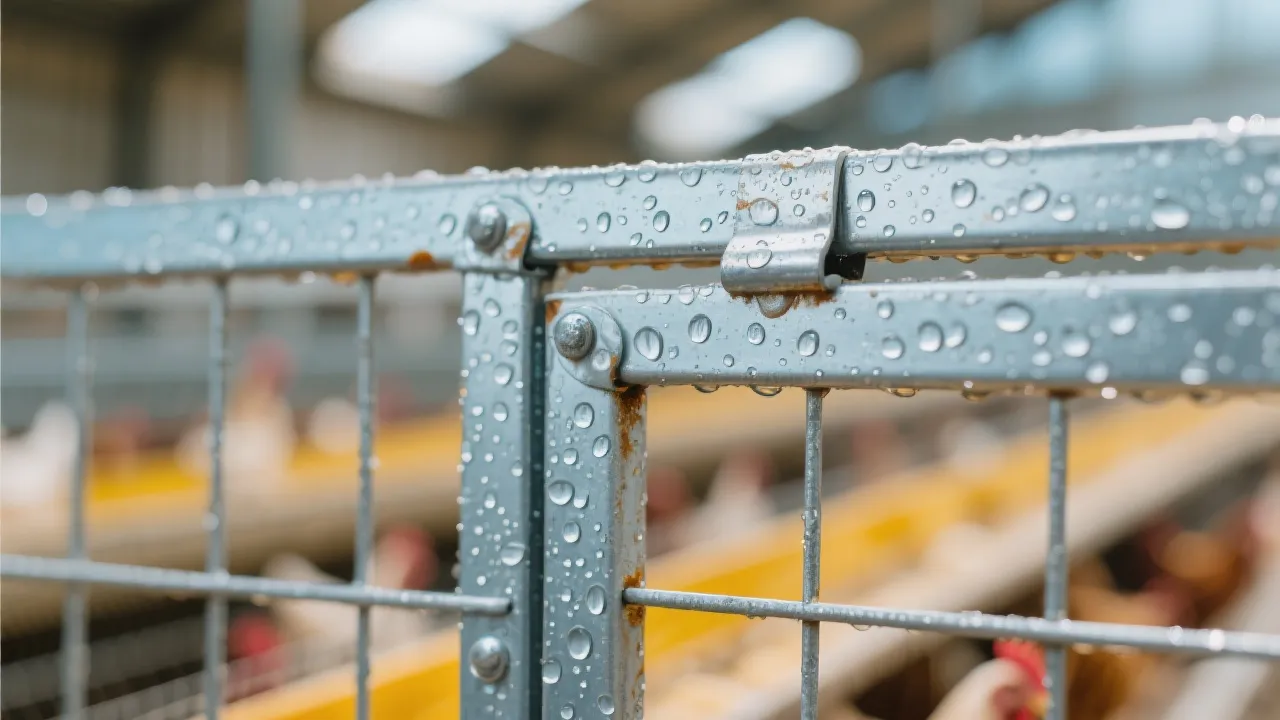
The harsh conditions of poultry houses—high humidity, ammonia exposure, and constant cleaning—demand exceptional durability from equipment. The H-Type system addresses this through its advanced coating technology:
- Hot-dip galvanization base layer provides corrosion resistance
- Aluminum-zinc alloy top coating offers superior protection against ammonia and moisture
- Tested to maintain structural integrity for 15+ years in typical poultry house environments
- Reduces maintenance costs by up to 40% compared to standard cage systems
Real-World Results: Case Study from a 50,000 Bird Operation
Jiangsu Xinyang Poultry Farm implemented the H-Type ventilation system in their 50,000-bird layer facility in early 2022. The results after six months were striking:
Performance Improvements Observed:
- → Ammonia levels: Reduced from 28ppm to consistent 12-14ppm
- → Egg production: Increased by 9.2% (from 86.5% to 94.4%)
- → Feed conversion ratio: Improved from 2.3:1 to 2.1:1
- → Mortality rate: Decreased by 35% during summer months
- → Veterinarian costs: Reduced by 42% due to fewer health issues
Mr. Wang, farm manager at Jiangsu Xinyang, noted: "The difference in bird behavior was noticeable within the first two weeks. The hens were more active, feed consumption stabilized, and we saw a rapid improvement in egg quality. The system paid for itself within 11 months through increased production and reduced costs."
Ready to Transform Your Poultry Operation's Performance?
Our team of poultry environmental specialists is offering a no-obligation ventilation assessment for your facility.
Schedule Your Free Ventilation EvaluationLimited to 10 assessments per month - secure your spot today
Effective ventilation is no longer an afterthought but a strategic investment that directly impacts your bottom line. The H-Type layer cage system represents the next generation in poultry housing design, where environmental control, bird welfare, and production efficiency converge to create sustainable profitability.





Hot Products

.jpg?x-oss-process=image/resize,m_fill,h_800,w_800/format,webp)





READY TO START?
Ready to Build Your Poultry Farm?
Tell us your land size, poultry type and farming capacity. LIVI will provide a complete farm solution for your project.