


H-Type Layer Chicken Cage Manure Management Handbook: Maintenance Schedules and Fault Prevention for Spiral Conveyor Systems
Optimizing Waste Management in H-Type Layer Cage Systems: A Practical Guide to Spiral Conveyor Maintenance
For poultry farm managers aiming to improve hygiene, reduce labor costs, and meet global environmental standards like ISO14001, the efficient operation of spiral conveyor-based manure removal systems is no longer optional—it’s essential. This guide breaks down how these systems work, how to maintain them for peak performance, and how to turn waste into value.
How Spiral Conveyors Work in Modern Layer Houses
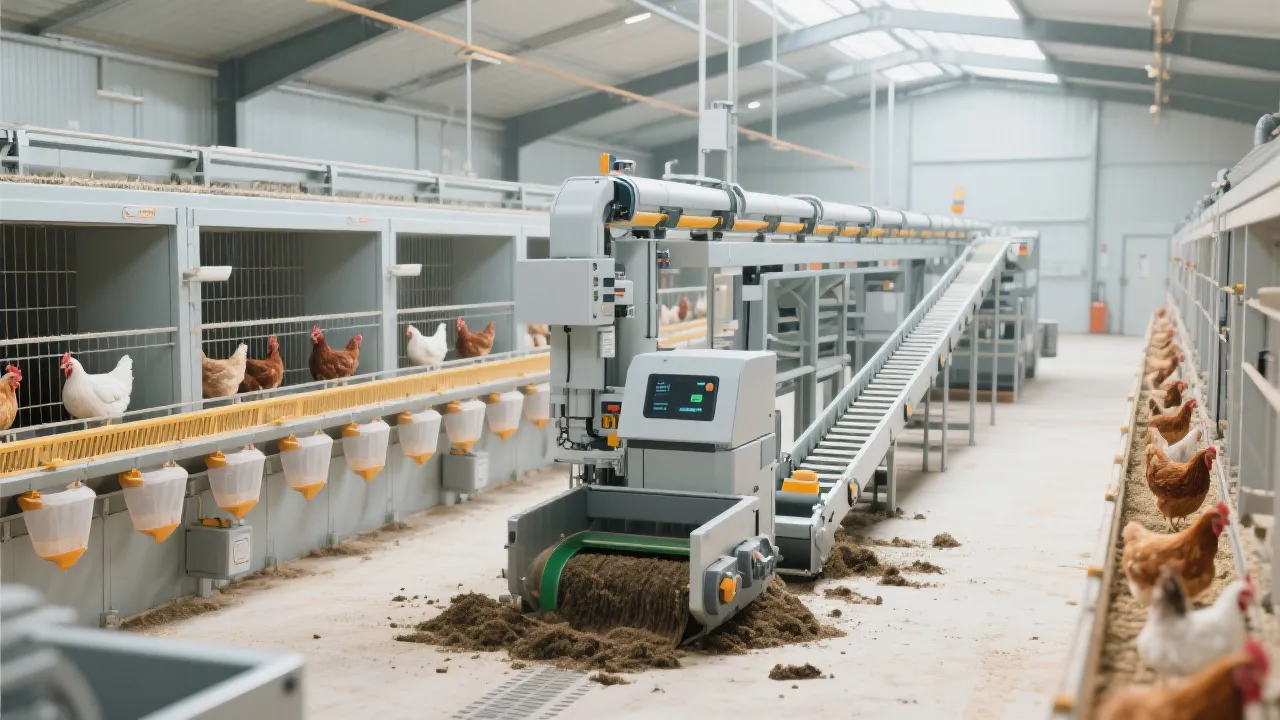
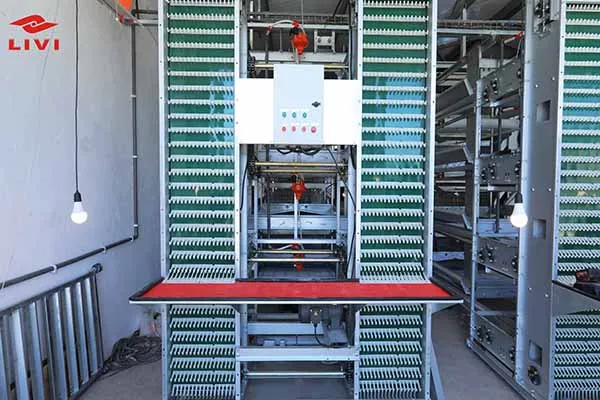
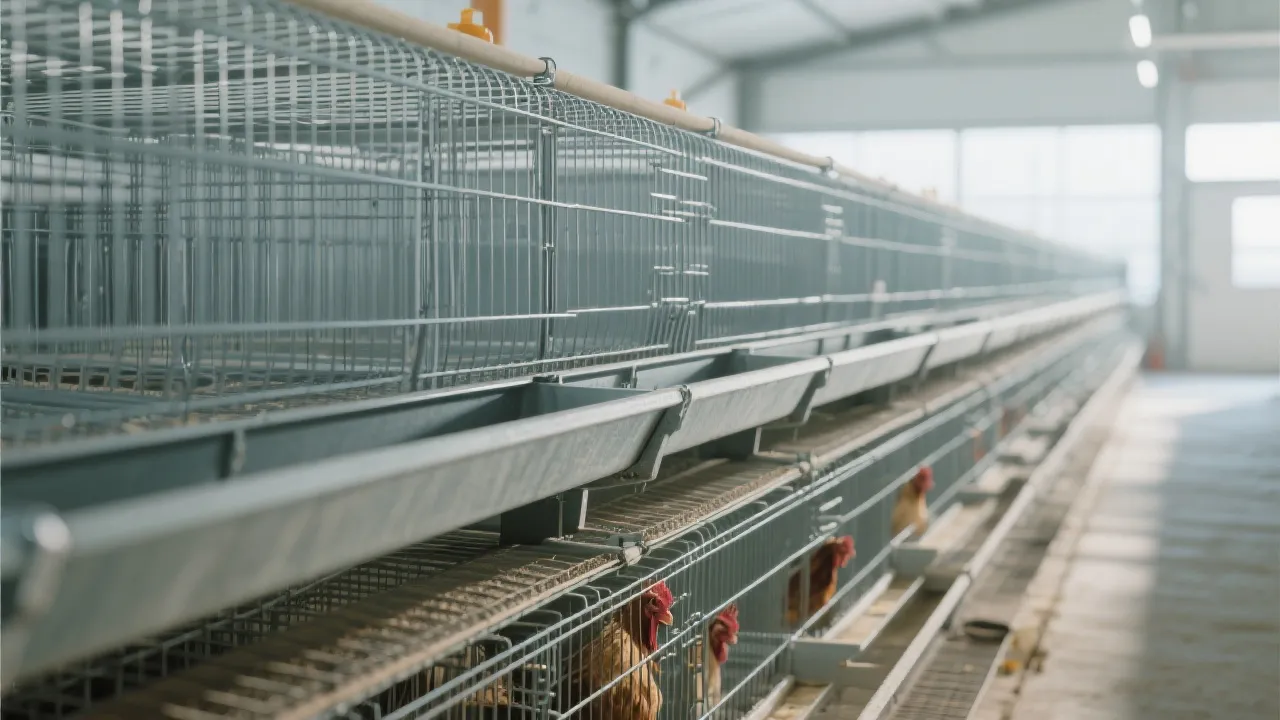
In H-type egg-laying cages, a screw conveyor—a rotating helical blade inside a sealed tube—moves manure from beneath the birds to collection points. Unlike traditional belt or scraper systems, this method minimizes dust, reduces manual labor by up to 60%, and ensures consistent airflow in the coop. According to a 2023 study by the International Poultry Association, farms using automated spirals report 22% fewer respiratory issues among hens compared to those relying on manual cleaning.
| Maintenance Task | Frequency | Expected Impact |
|---|---|---|
| Lubricate bearings | Every 3 months | Reduces friction-related breakdowns by ~40% |
| Inspect motor voltage | Monthly | Prevents overheating and extends motor life by 18–24 months |
| Clean conveyor housing | Bi-weekly | Avoids clogging, maintains airflow efficiency |
Energy Efficiency Meets Environmental Compliance
The real advantage lies not just in automation but in energy optimization. A well-maintained spiral system consumes only 0.7–1.2 kWh per 1000 birds daily—about 30% less than older models. When paired with ISO14001-compliant protocols, such as composting manure into organic fertilizer, farms can reduce their carbon footprint while generating additional income. In Germany, one large-scale layer farm converted 85% of its waste into marketable compost, earning €12,000 annually from sales—without altering production volume.
Real-World Success: Case Study from Vietnam
A 20,000-bird facility in Dong Nai Province adopted a modular spiral system with smart sensors that alert operators when torque increases (indicative of blockage). After six months, they saw:
- 35% reduction in maintenance calls
- 15% improvement in hen lay rate due to better air quality
- Compliance with local EPA guidelines on odor control
Frequently Asked Questions (FAQ)
Q: How often should I replace the spiral blade?
A: Under normal conditions, blades last 18–24 months. Monitor wear visually every 3 months—if surface erosion exceeds 2mm, consider replacement.
Q: Can this system handle wet manure without jamming?
A: Yes—with proper slope design (minimum 5° angle) and moisture content below 70%, most modern spirals operate continuously even in high-humidity environments.
Ready to transform your poultry operation? Our customized spiral conveyor solutions are designed for durability, ease of use, and seamless integration with existing cage setups. Whether you're building new facilities or upgrading old ones, we provide technical support, installation guidance, and ongoing service—all backed by CE-certified components and ISO9001 quality assurance.
Explore Our Industrial-Scale Solutions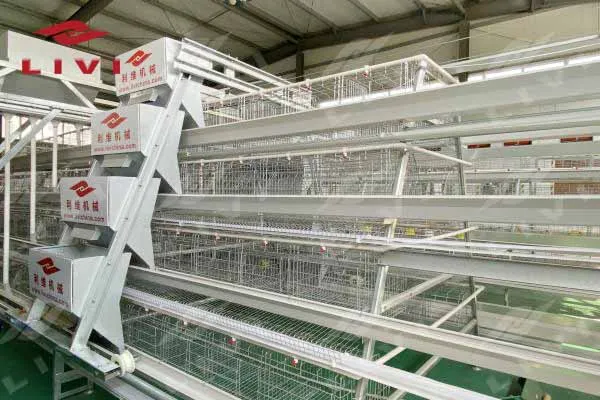





Hot Products

.jpg?x-oss-process=image/resize,m_fill,h_800,w_800/format,webp)


Popular articles




READY TO START?
Ready to Build Your Poultry Farm?
Tell us your land size, poultry type and farming capacity. LIVI will provide a complete farm solution for your project.