


H-Type Chicken Cage Design Benefits and Ventilation Performance Explained – A Smart Choice for Improved Poultry Farming Efficiency
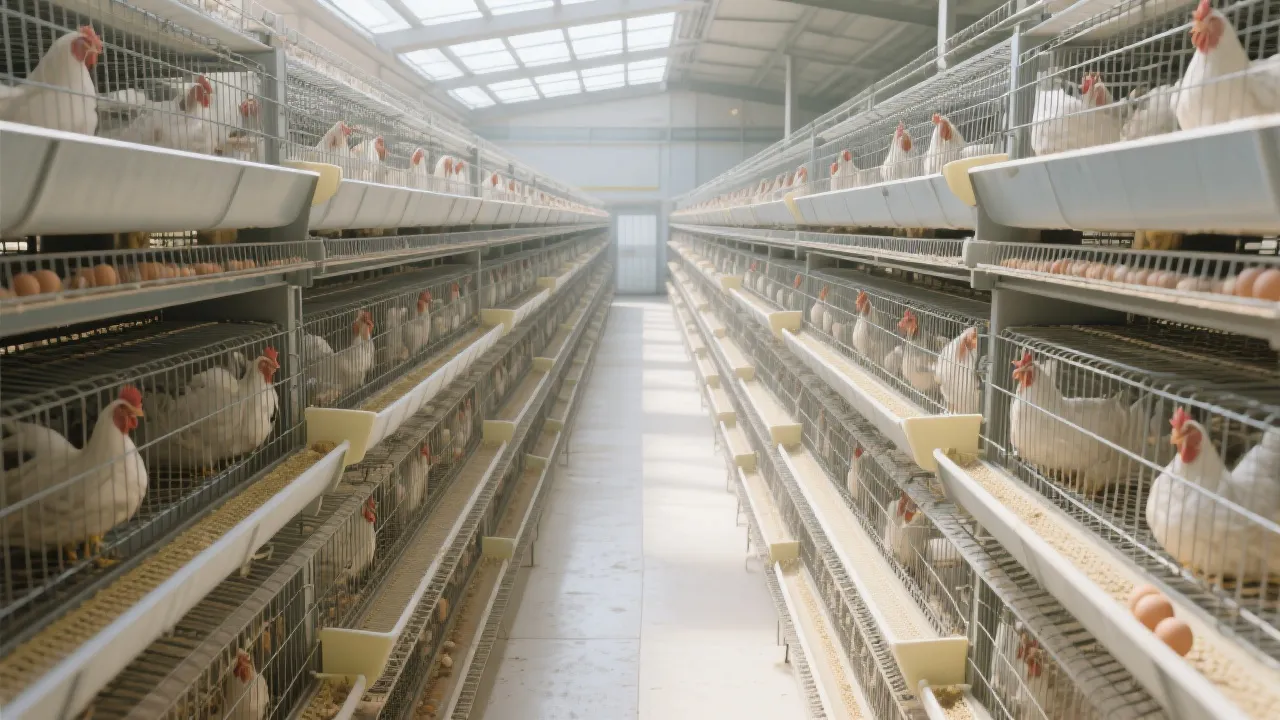
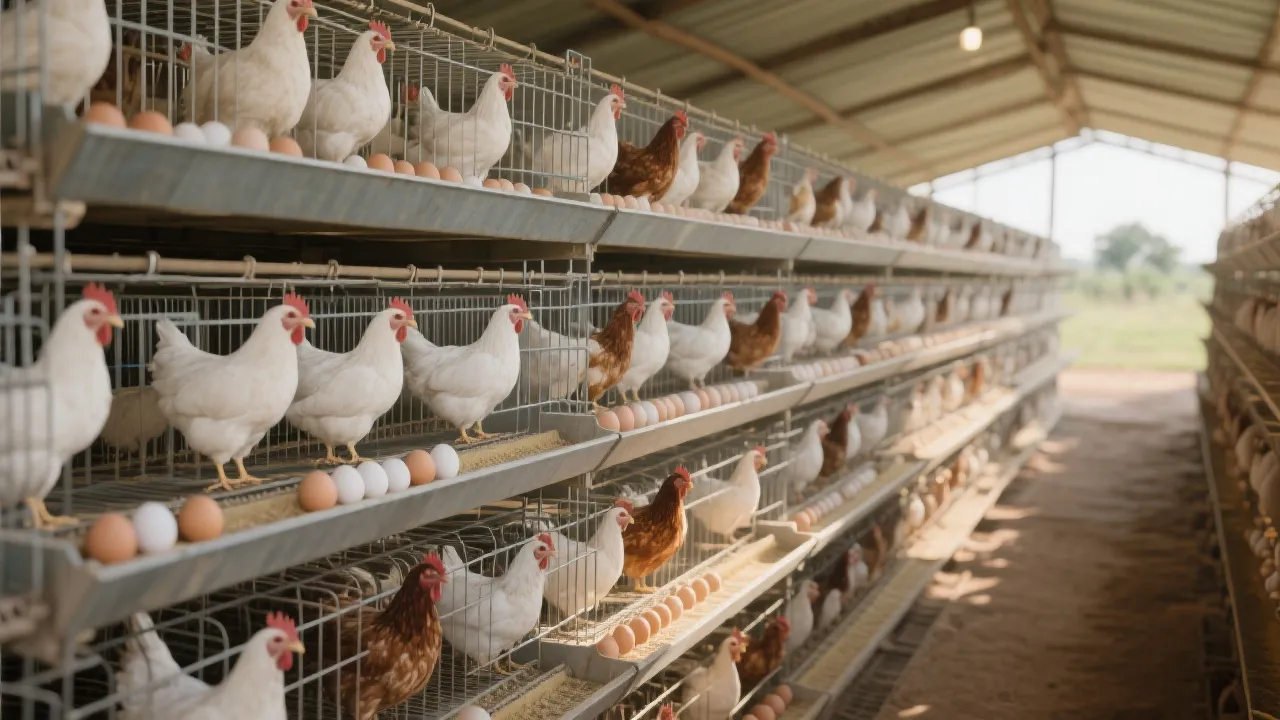
Why H-type chicken cages Are a Game-Changer for Airflow in Poultry Farms
In the poultry industry, air quality directly impacts egg production and flock health. If your chicken house has high ammonia levels or uneven airflow—especially during hot, humid months—you’re likely losing money without even realizing it. Let’s break down why many farmers underestimate ventilation… and how H-type cages can fix that.
The Hidden Cost of Poor Ventilation
In one study from China’s Henan province, farms with poor air circulation saw an average 12% drop in egg yield compared to those using optimized cage designs. Why? Because when air stagnates:
- Ammonia builds up (often exceeding 25 ppm)—leading to respiratory issues
- Heat stress increases mortality rates by up to 7%
- Feather loss and pecking behavior rise due to discomfort
How H-Type Cage Design Solves This
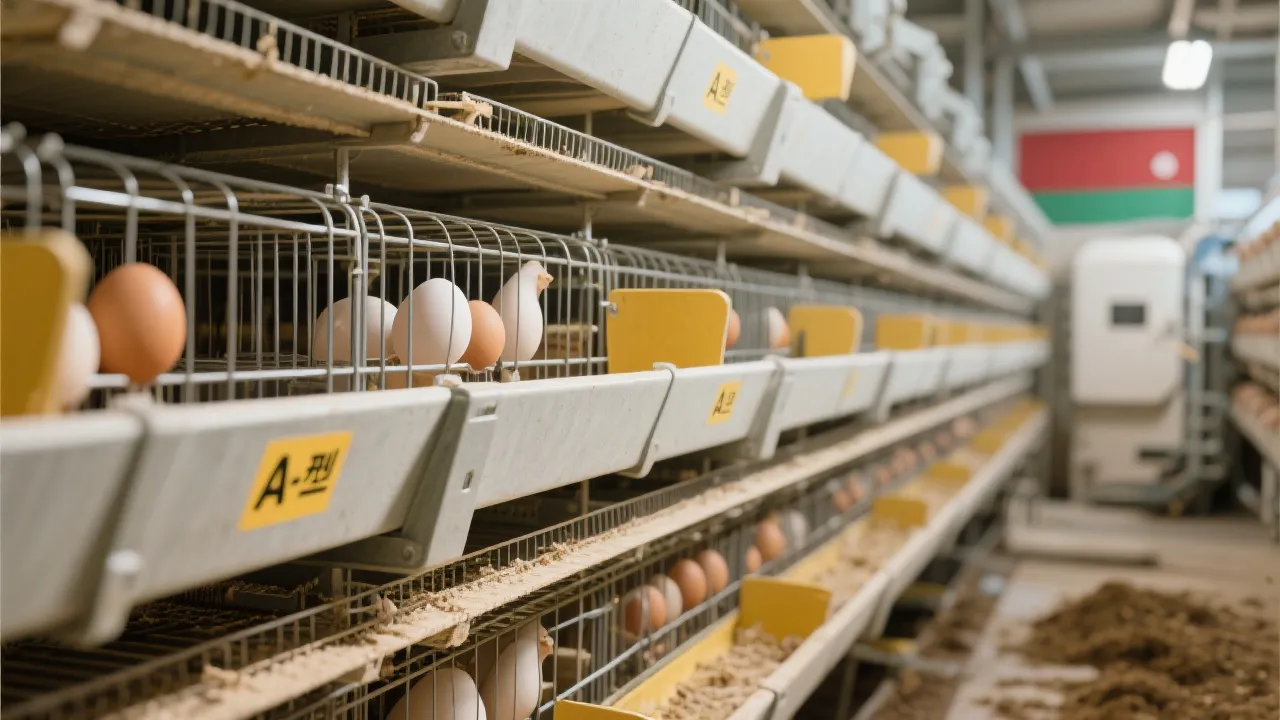
The key lies in structure—not just materials. Unlike traditional flat cages, H-type models use a unique layered grid layout that creates natural convection paths. Here's what makes them stand out:
| Feature | Traditional Cage | H-Type Cage |
|---|---|---|
| Airflow Efficiency | Low (only side-to-side) | High (vertical + horizontal flow) |
| Temperature Stability | ±3°C variation | ±0.8°C variation |
| Ammonia Reduction | Minimal (no active extraction) | Up to 40% lower over 3 months |
That’s not just theory—it’s what we’ve seen on farms in Vietnam, Brazil, and Turkey where H-type cages were retrofitted into existing systems.
Common Mistakes That Sabotage Your Ventilation Plan
Many farmers install fans but still get hot spots because they ignore two things:
- Dead zones between cages: Even with fans, air doesn’t reach every corner if cage spacing isn’t optimized.
- No real-time monitoring: Without sensors, you won’t know when humidity spikes above 70%—a major trigger for disease outbreaks.
Here’s the fix: Adjust cage spacing to at least 15 cm between layers, add inline exhaust fans every 10 meters, and deploy smart sensors that alert you via SMS when CO₂ exceeds 1,000 ppm.
“Let every hen breathe easy—that’s the foundation of consistent egg production.”
Real Results from Real Farms
A large-scale farm in Thailand switched to H-type cages and reported:
- 3-week reduction in heat-related deaths
- Productivity increase from 82% to 91% within 60 days
- Lower labor costs due to fewer manual checks needed
If you're facing similar challenges—like stagnant air, rising ammonia, or inconsistent laying performance—we’d love to hear your story. Drop a comment below or schedule a free ventilation audit tailored to your setup.


Hot Products

.jpg?x-oss-process=image/resize,m_fill,h_800,w_800/format,webp)


Popular articles



READY TO START?
Ready to Build Your Poultry Farm?
Tell us your land size, poultry type and farming capacity. LIVI will provide a complete farm solution for your project.