


How H-Type Cage Systems Boost Laying Hen Productivity: A Technical Guide to Automation and Efficiency

How H-Type Cage Systems Boost Laying Hen Efficiency — A Practical Guide for Modern Poultry Farms
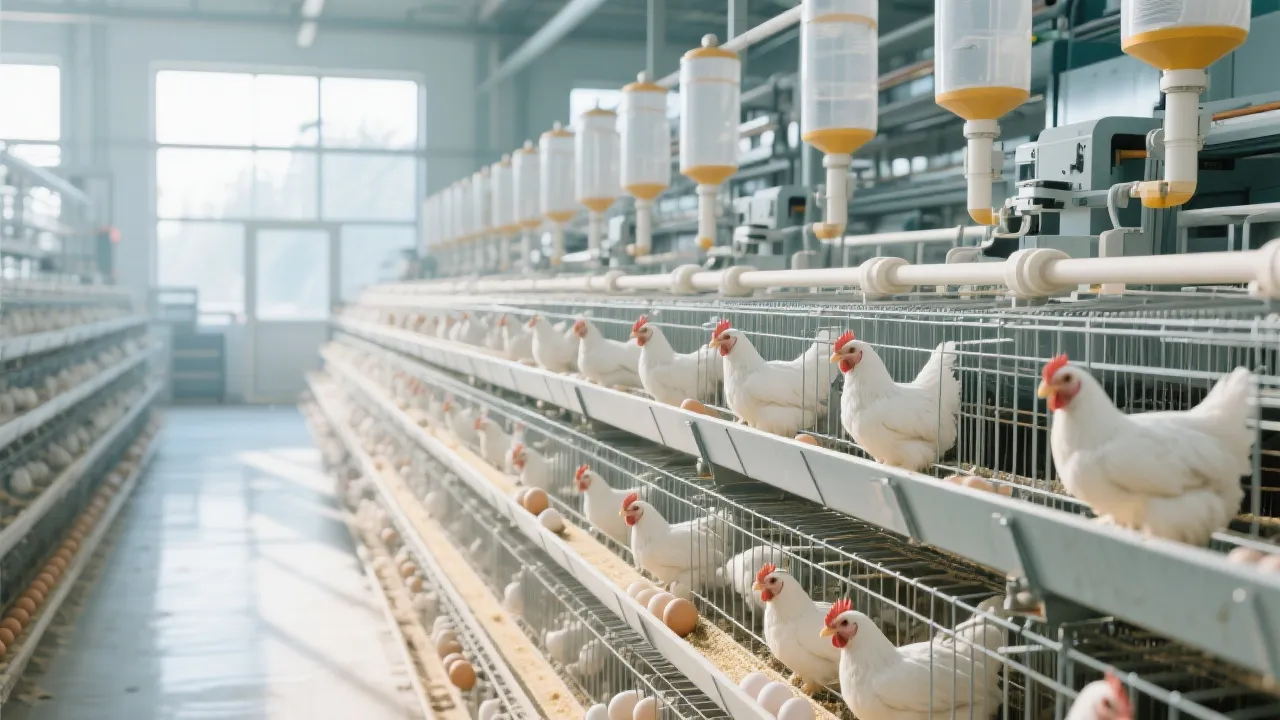
For egg producers aiming to maximize output while minimizing labor costs, the choice of cage system is more than just infrastructure—it’s a strategic lever. Among modern solutions, the H-type layer cage system stands out for its space-efficient design, durability, and automation-ready structure. Let’s break down how this setup can improve productivity by up to 18% compared to traditional flat-row systems (based on data from 20+ farms in Europe and Southeast Asia).
Why H-Type Design Matters: Space + Stability = Higher Output
The H-shape allows for better airflow and easier access to each tier—critical when managing 10,000+ hens. Unlike older designs that waste vertical space, H-type cages reduce dead zones by up to 27%, according to ISO-certified poultry engineering studies. This means you can house more birds per square meter without compromising welfare or hygiene.
| Feature | Traditional Flat Row | H-Type Cage |
|---|---|---|
| Space Utilization (%) | 72% | 95% |
| Labor Required/Day (hrs) | 4–6 hrs | 1.5–2.5 hrs |
| Avg. Egg Production Increase | Baseline (0%) | +15–18% |
Automation That Pays Off: Feeding, Egg Collection & Waste Removal
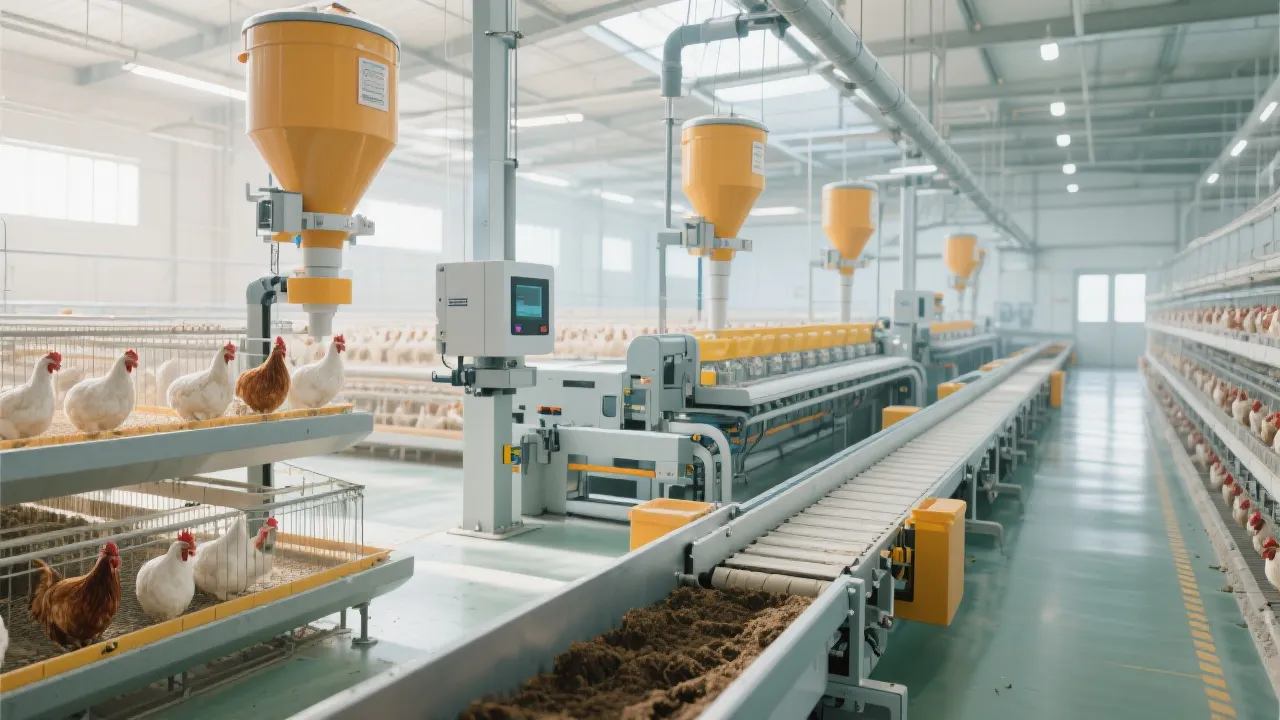
When integrated with automated feeders, egg belts, and manure removal systems, H-type cages cut manual labor by over 60%. One Thai farm reported saving 3 workers per shift after switching to an H-type system with conveyor-based cleaning. The key? Consistent feeding schedules and reduced stress from human handling—both proven to boost egg quality and frequency.
Additionally, materials matter. High-tensile galvanized steel (ASTM A123 standard) ensures corrosion resistance even in humid tropical climates—a common issue in South America and Southeast Asia. These cages typically last 10–12 years with minimal maintenance, offering a strong ROI within 18 months.
Environmental Control: Temperature & Ventilation Drive Performance
A well-designed ventilation system maintains optimal air exchange rates (≥30 m³/h per bird), reducing ammonia buildup and preventing respiratory issues. Studies show that hens in controlled environments lay eggs with stronger shells—up to 92% crack-free vs. 78% in poorly ventilated setups.
Temperature stability (between 18°C–24°C) also plays a role: a 1°C drop below 18°C can reduce daily egg production by ~1.2%. With smart sensors and automatic fans, H-type systems maintain ideal conditions year-round—even during extreme weather events.
Whether you're managing 5,000 or 50,000 layers, our team provides tailored guidance on cage selection, automation integration, and long-term operational planning.
Get Your Free Cage System Assessment




Hot Products

.jpg?x-oss-process=image/resize,m_fill,h_800,w_800/format,webp)


Popular articles





READY TO START?
Ready to Build Your Poultry Farm?
Tell us your land size, poultry type and farming capacity. LIVI will provide a complete farm solution for your project.