


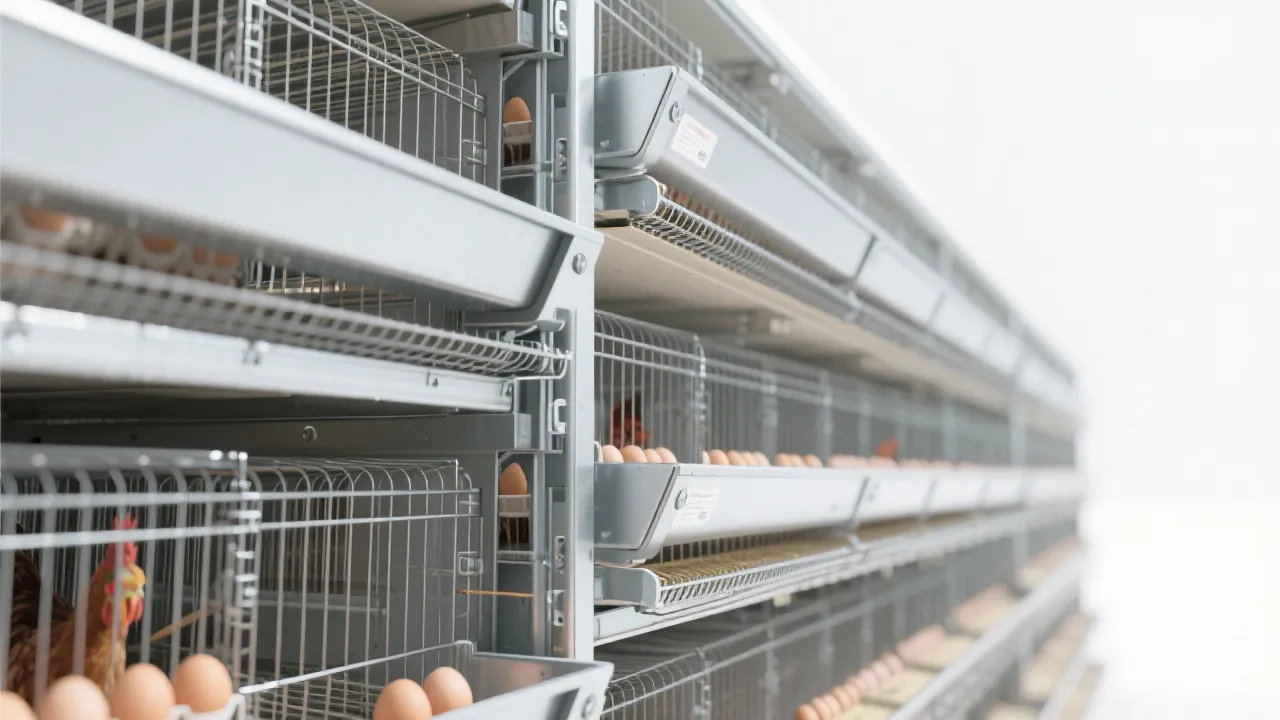
From Floor-Raised to H-Frame Cage Systems: A Practical Guide to Ventilation & Lighting Optimization in Large-Scale Layer Farms
In the global egg production industry, space efficiency and environmental control are no longer optional—they’re critical for profitability. Whether you're managing a 5,000-bird farm or a 30,000-bird operation, transitioning from traditional floor-raised systems to H-frame layer cages can transform your output per square meter—and reduce labor costs by up to 40%.
Why H-Frame Cages Are a Game-Changer
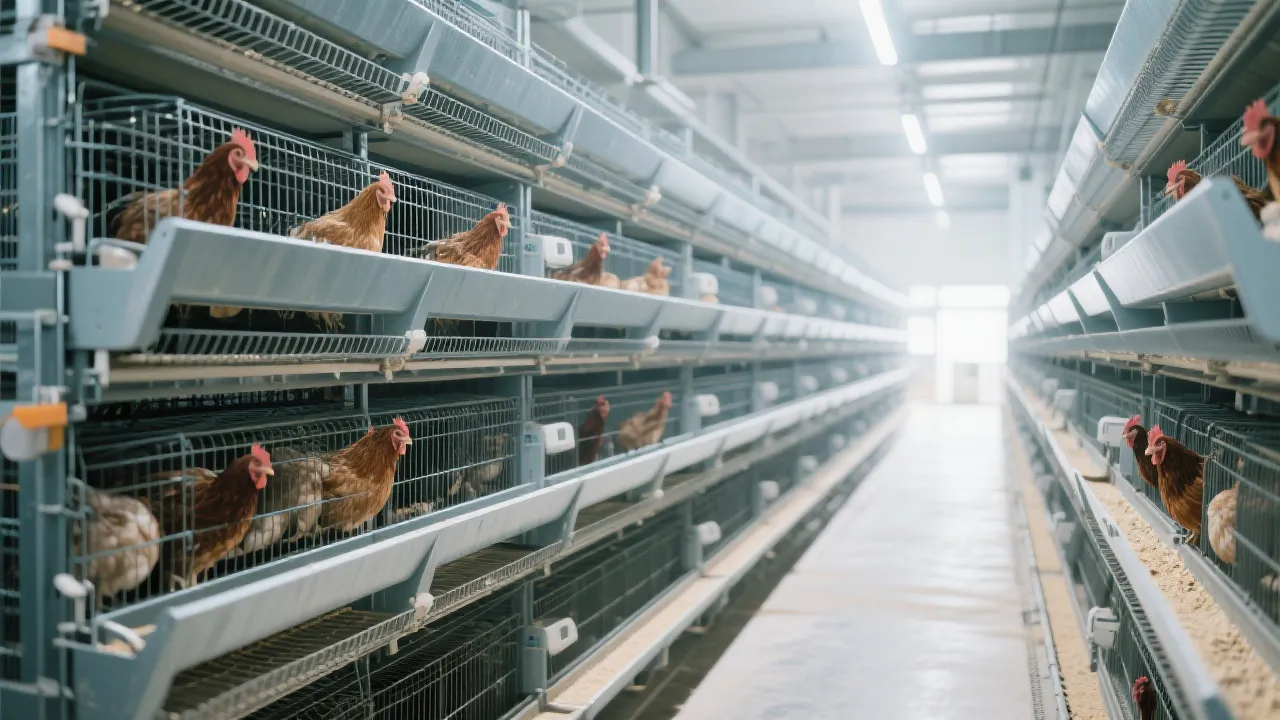
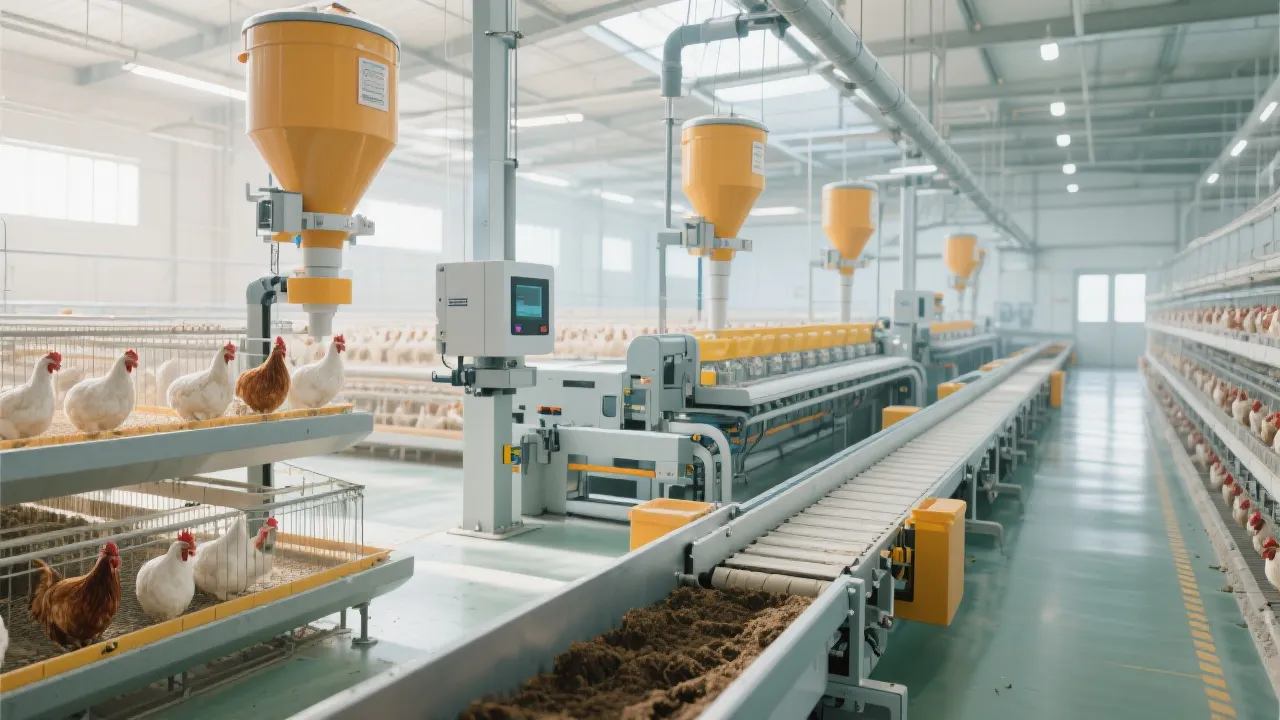
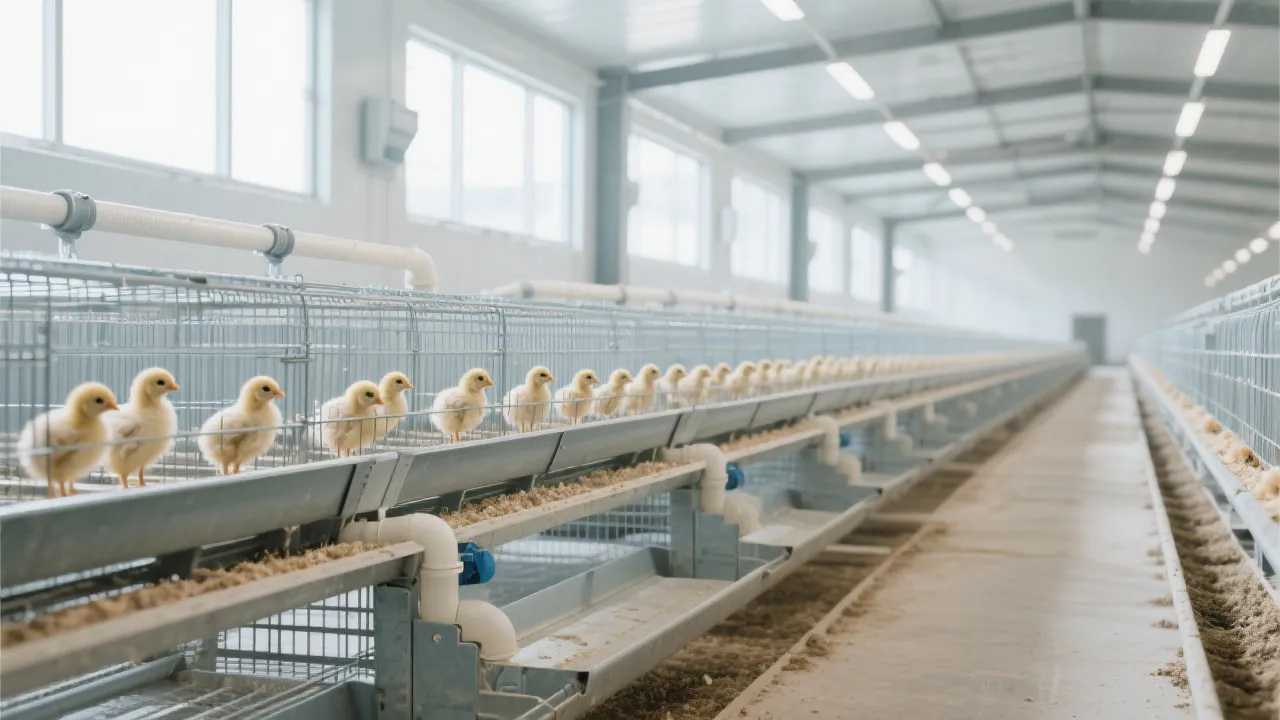
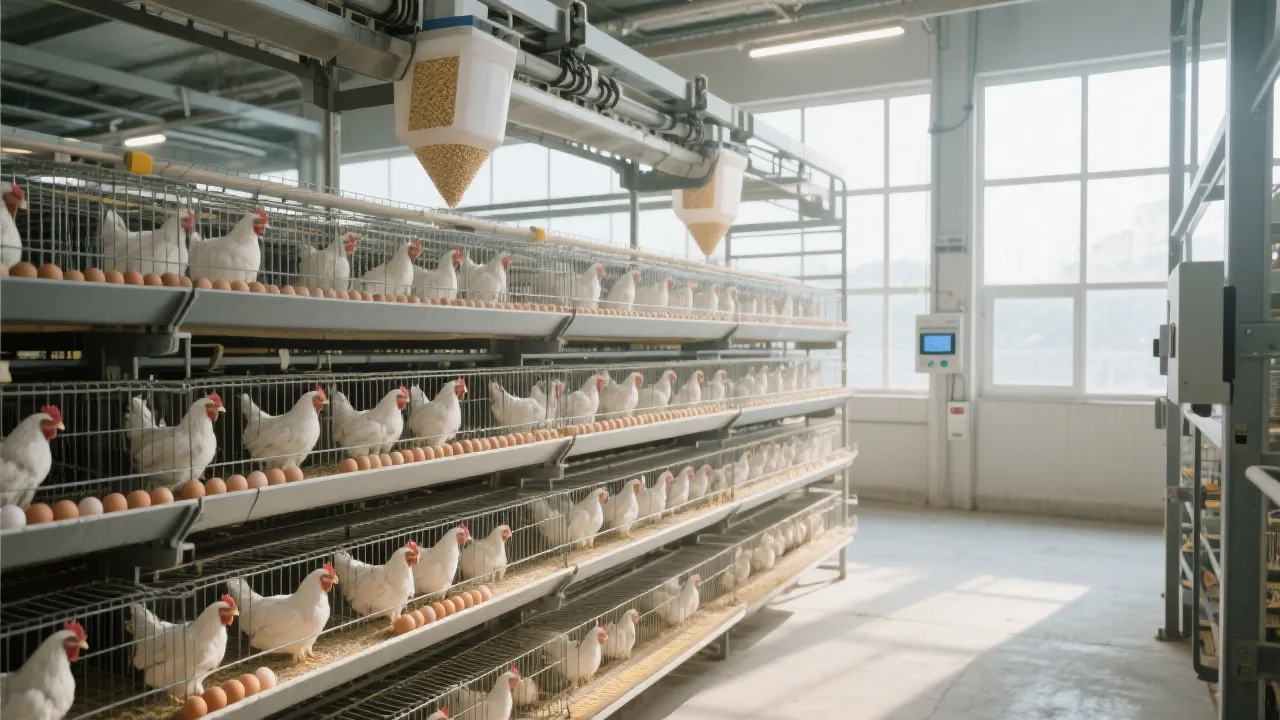
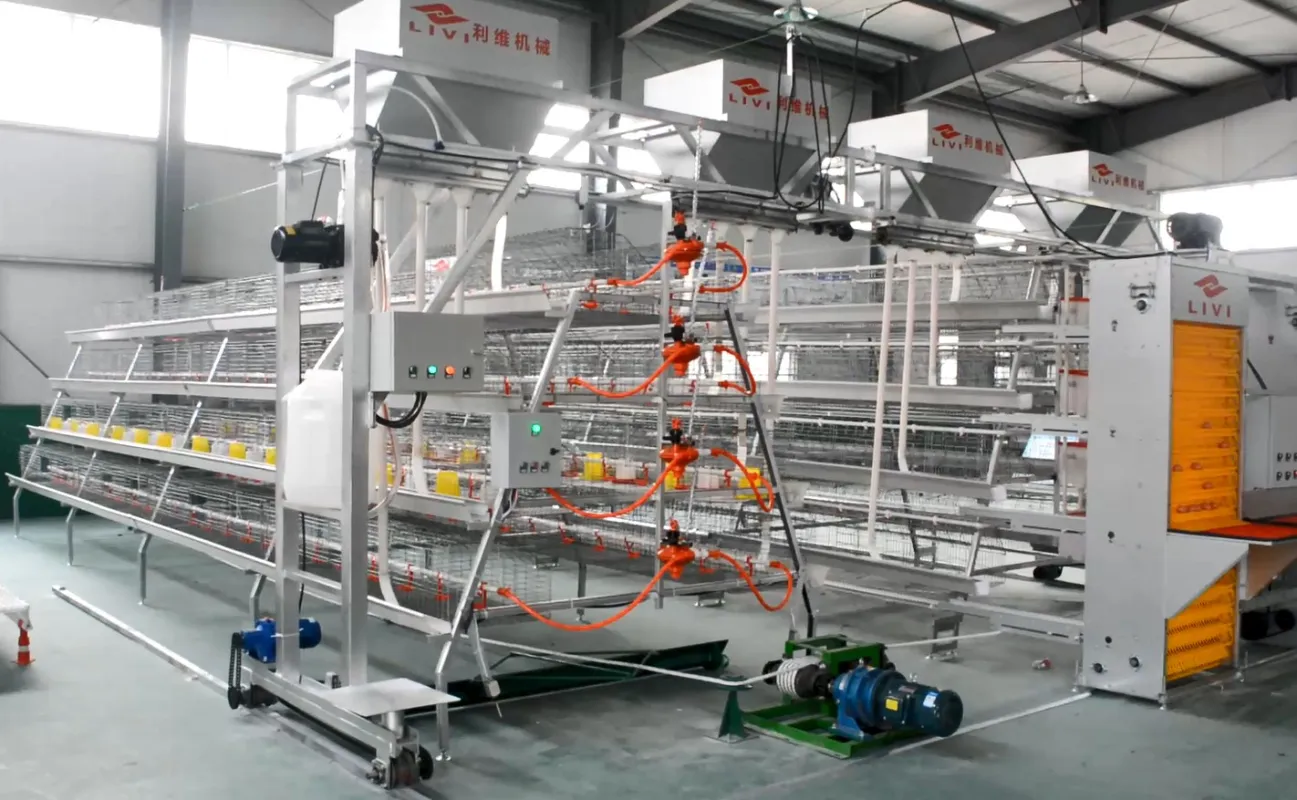
The core advantage of H-frame cage design lies in its vertical stacking structure—typically two layers with optimized spacing (60–70 cm between tiers). This layout allows farms to increase stocking density by 30–50% without compromising bird welfare or air quality. In practical terms, that means more eggs from the same footprint—a win for both land-constrained and high-output operations.
| System Type | Avg. Stocking Density (birds/m²) | Ventilation Efficiency | Light Uniformity |
|---|---|---|---|
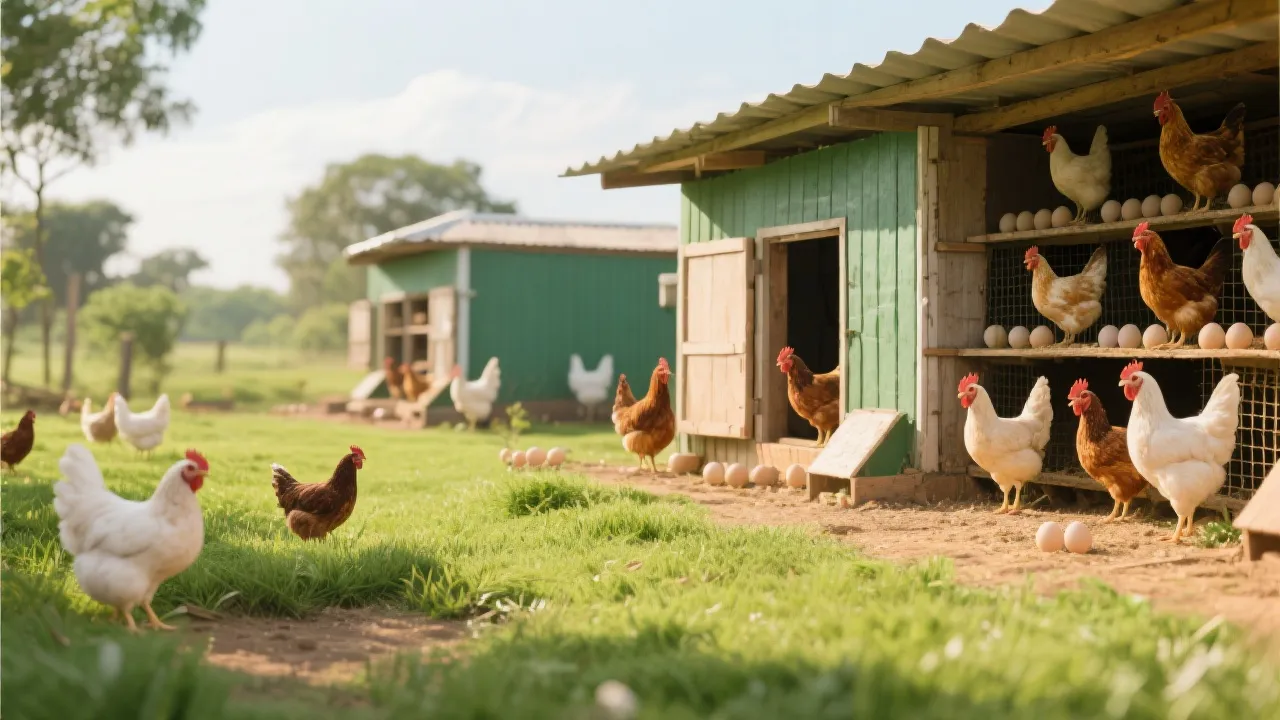
| Floor-Raised | 1.2 | Low (hot spots) | Uneven |
| Single-Layer Cage | 2.0 | Moderate | Fairly even |
| H-Frame Cage | 2.8–3.5 | High (airflow channels) | Excellent (LED light distribution) |
The improved airflow isn’t just about comfort—it directly impacts disease prevention. Studies show that H-frame cages reduce respiratory issues by up to 25% compared to single-layer setups, thanks to better ventilation paths and reduced humidity buildup at lower levels.
Real Results from Real Farms
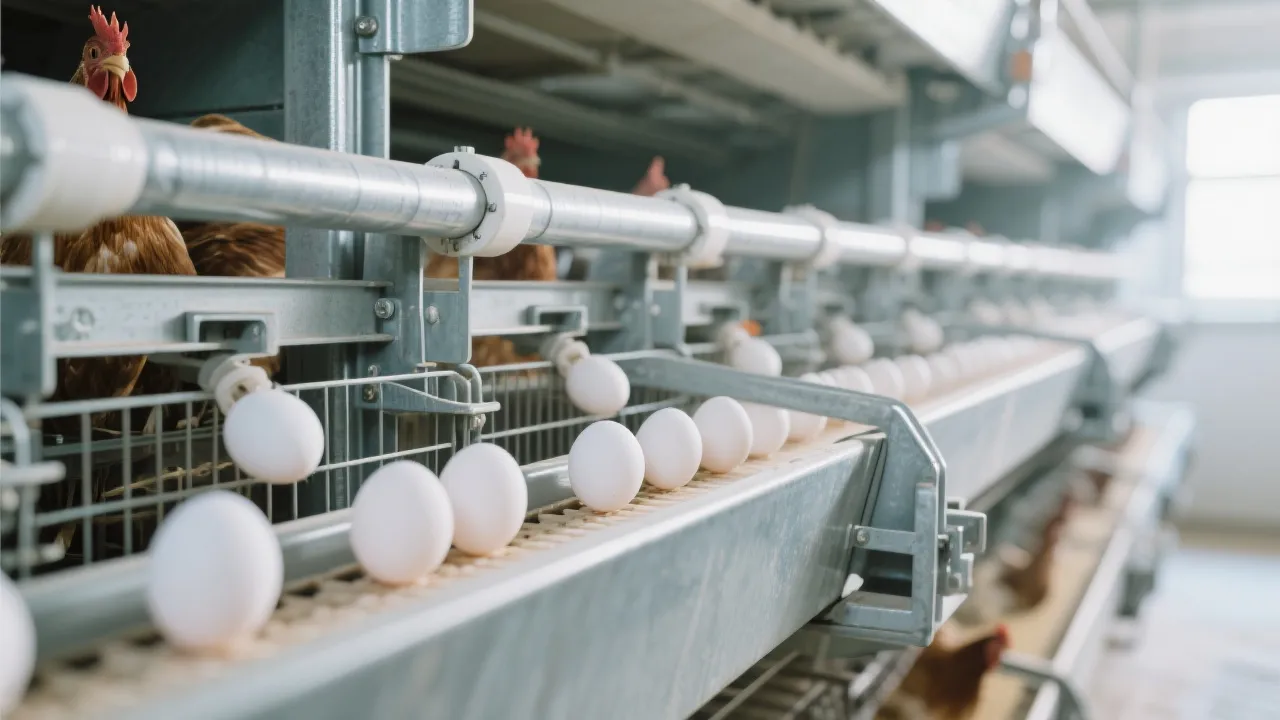
In a case study from a mid-sized farm in Mexico (12,000 birds), switching to H-frame cages increased daily egg production from 8,500 to 10,200 eggs within 3 months—with no change in feed consumption. The key? Better light penetration across all tiers and consistent airflow that kept temperatures stable during summer heatwaves.
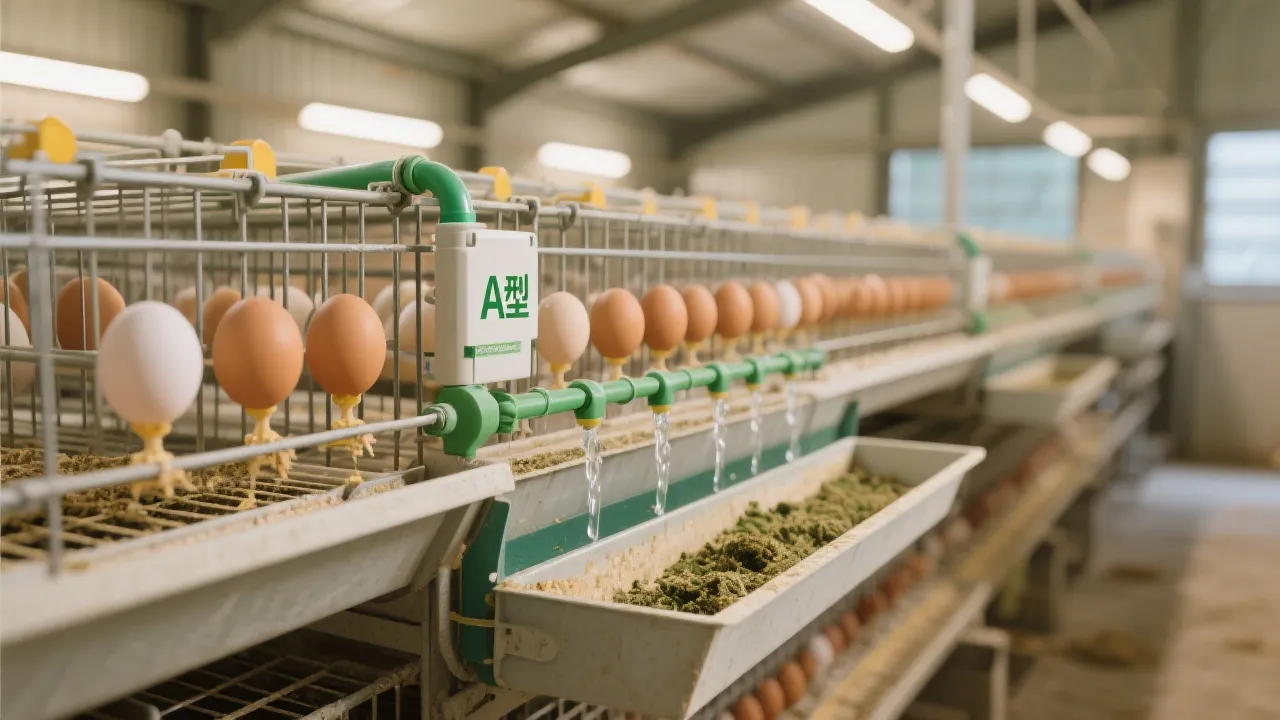
Similarly, a large-scale facility in Kenya (30,000 birds) saw a 35% drop in manual cleaning time after adopting H-frame systems. Why? Because waste falls cleanly through the gaps between layers, reducing the need for frequent floor sweeping.
You might be wondering: “Is my current system efficient enough?” Let every square meter work harder—not just hold birds.
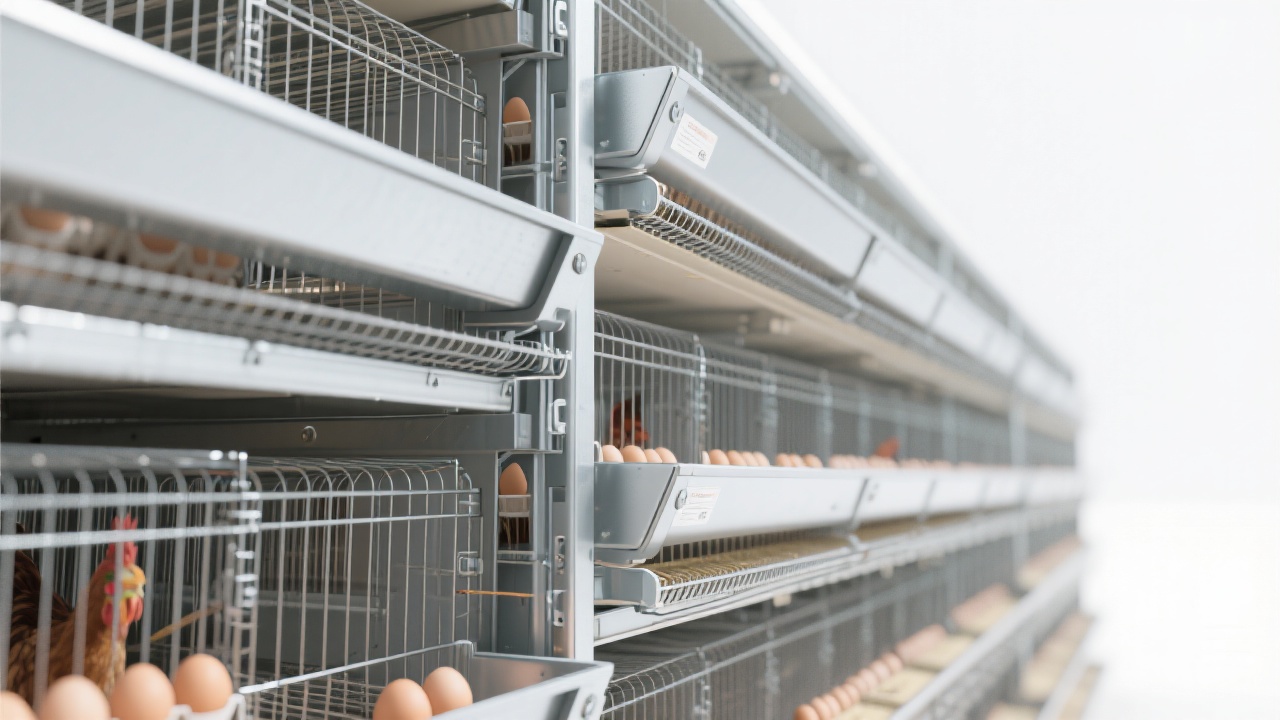
Actionable Tips for Your Transition
- Start small: Pilot-test one barn using H-frame cages before full rollout.
- Adjust lighting: Use LED strips mounted above each tier to ensure uniform photoperiod exposure—critical for laying cycles.
- Monitor airflow: Install anemometers to verify air velocity stays between 0.5–1.0 m/s for optimal comfort.
If you’re serious about scaling efficiently while keeping your flock healthy and productive, it’s time to rethink how you use space—and how you manage climate.
You may not realize it yet, but your chicken house could be underperforming simply because of outdated cage design.


Hot Products

.jpg?x-oss-process=image/resize,m_fill,h_800,w_800/format,webp)


Popular articles



READY TO START?
Ready to Build Your Poultry Farm?
Tell us your land size, poultry type and farming capacity. LIVI will provide a complete farm solution for your project.