


Essential Cage System Materials and Environmental Compliance for Export-Oriented Layer Hen Farms

Export-Oriented Layer Hen Farms: Cage System Material Selection and Environmental Compliance Guide
In the realm of modern egg production, efficient and sustainable cage systems stand as the backbone of export-oriented layer hen farms. Precision in design and material selection not only enhances productivity but also aligns with stringent international environmental standards, ensuring compliance and competitive advantage. This article delves into state-of-the-art cage system strategies incorporating innovative H-type structures, automation technologies, and environmental controls to maximize space utilization, reduce operational costs, and uphold animal welfare within high-output egg farming operations.
Optimizing Space with H-Type Cage Structures
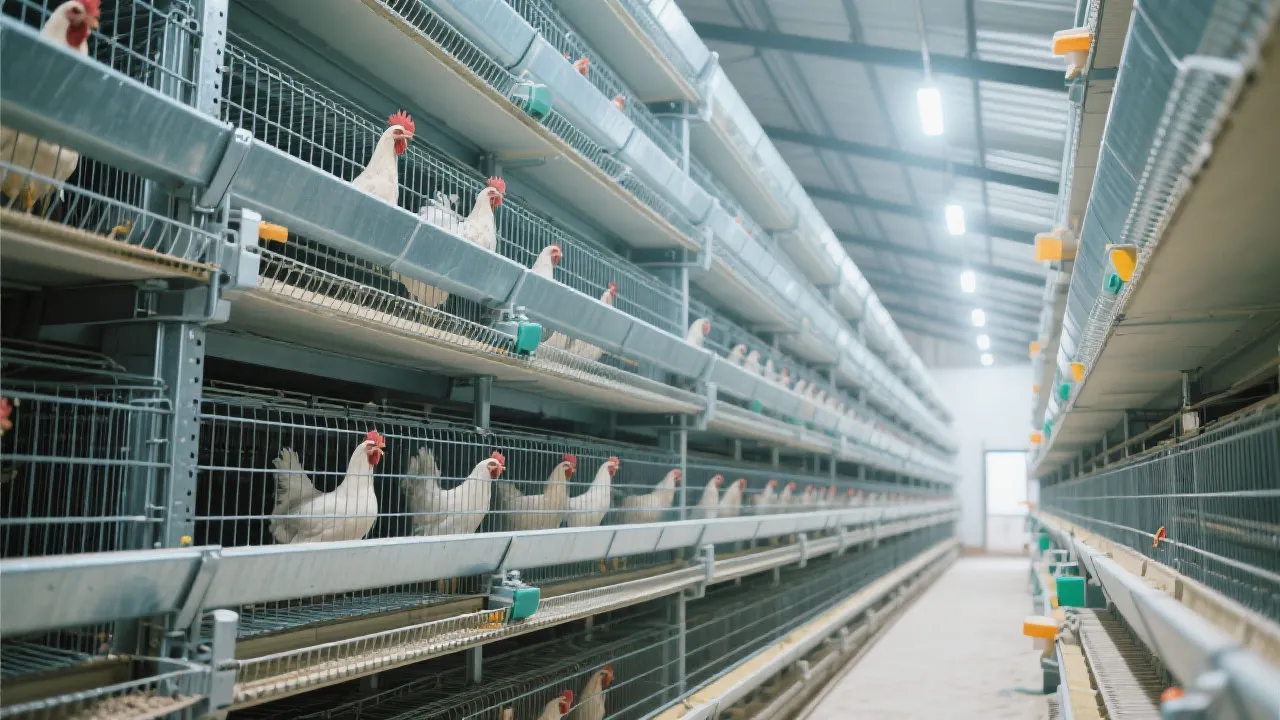
Space efficiency is pivotal in large-scale layer hen operations. The employment of H-shaped cage systems stands out as a breakthrough in vertical and horizontal space utilization. This geometric configuration facilitates easier access for feeding, egg collection, and maintenance. Compared to traditional linear or A-frame cages, H-type cages can enhance usable floor area by up to 30%, accommodating approximately 10-15% more hens per square meter. This surge in space efficiency translates to higher overall flock density without compromising bird comfort or health metrics.
Material Selection Compliant with Global Environmental Standards
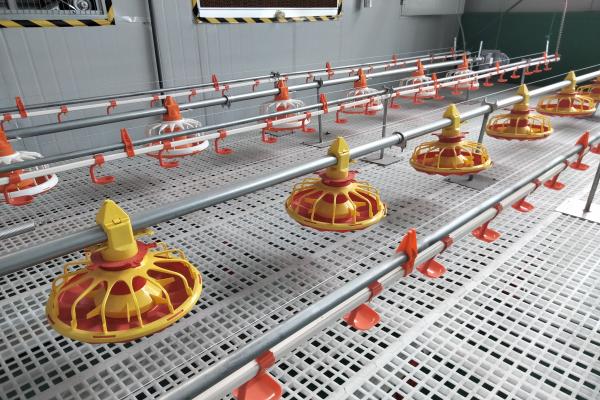
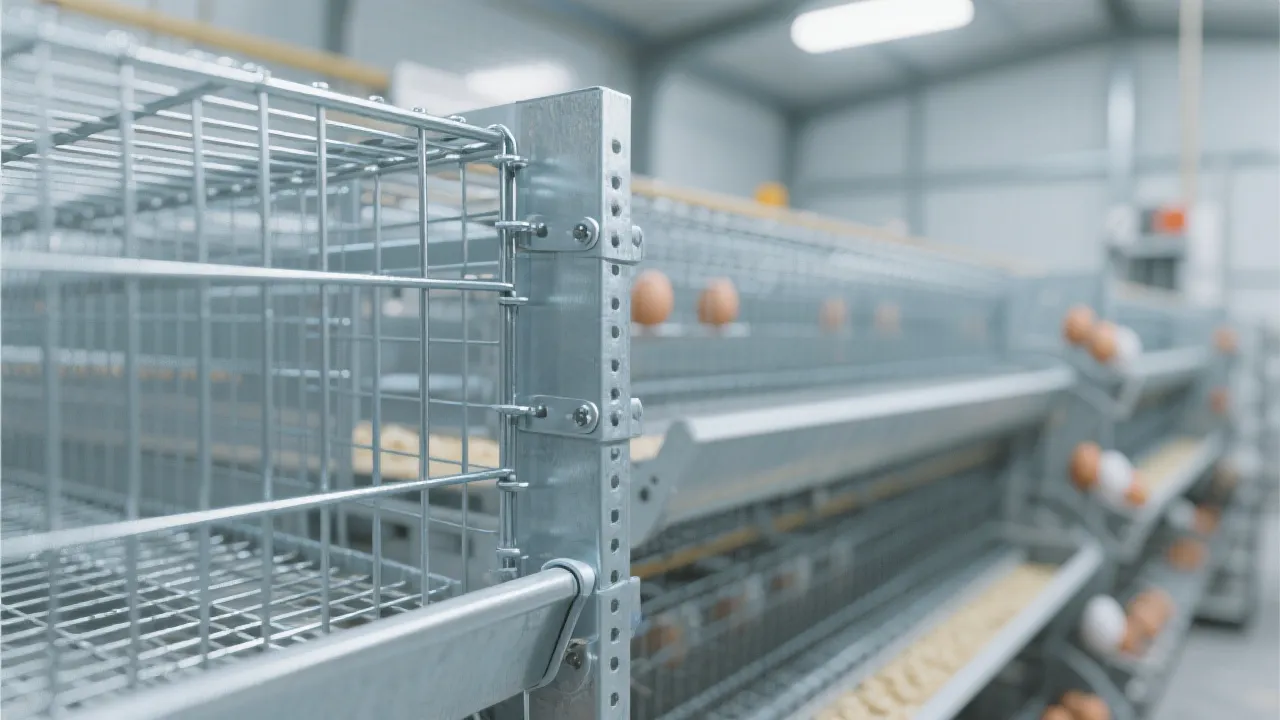
Materials chosen for cage fabrication must meet rigorous quality and sustainability criteria dictated by ISO 9001, ISO 14001, and CE certifications. Commonly, galvanized steel coated with non-toxic, anti-corrosive layers prevents rust formation and ensures a service life exceeding 8-10 years under typical operational conditions. Innovations also include high-density polyethylene components that are BPA-free and recyclable, significantly reducing environmental footprint. These materials collectively ensure minimal chemical leaching and safe contact with poultry, aligning with export market regulations especially in the European Union, North America, and parts of Asia.
Automation: Enhancing Efficiency in Feeding, Egg Collection, and Cleaning
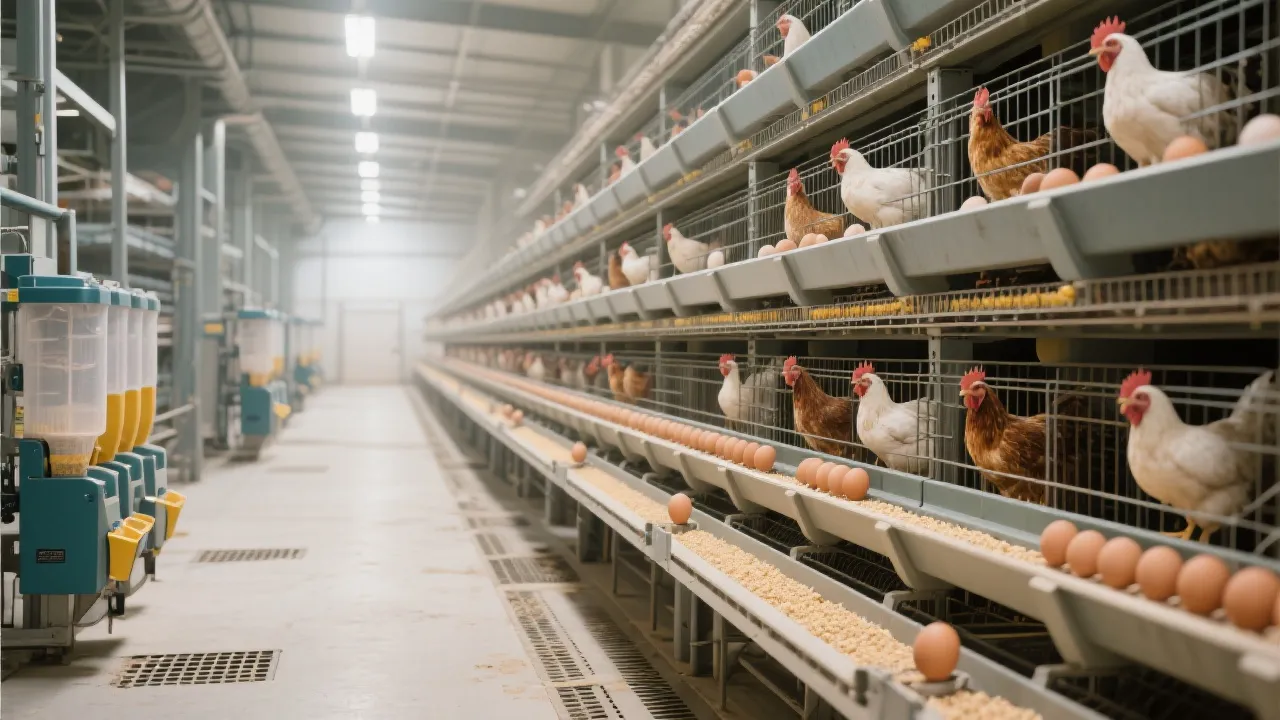
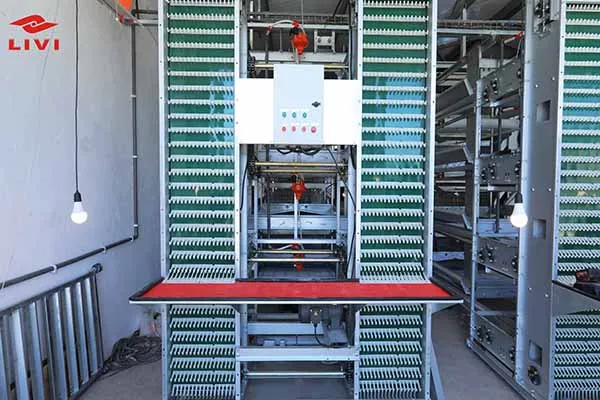
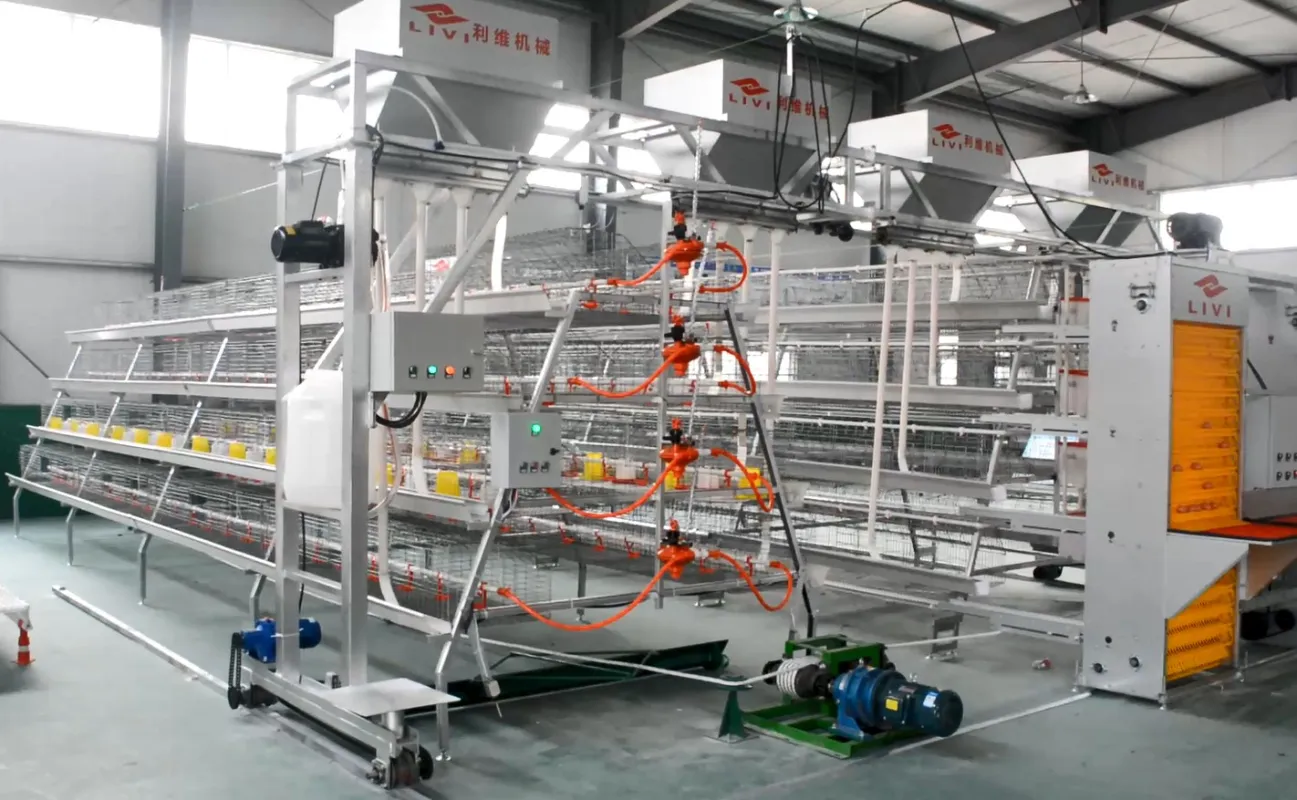
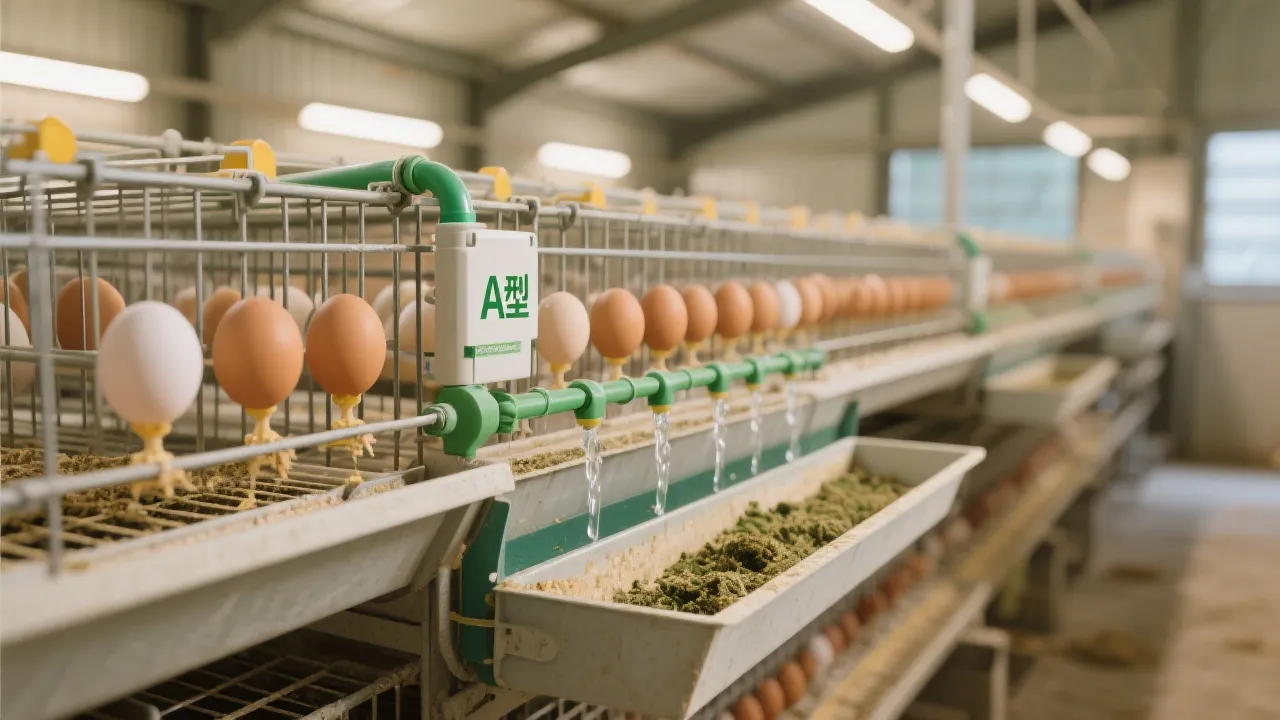
Automation technologies embedded within cage systems transform labor-intensive tasks. Automated feeders calibrated to dispense precise nutritional quantities reduce feed waste by up to 12%, while conveyor belts streamline egg collection, increasing batch processing rates by 25%. Additionally, integrated manure removal systems employing belt conveyors or scrapers enable cleanliness maintenance with 40% less manual labor. These mechanizations not only lower operational costs but also contribute to healthier living conditions by mitigating disease risks.
Advanced Ventilation and Temperature Control for Optimal Health and Yield
Proper ventilation and thermal regulation are critical in sustaining hen welfare and maximizing egg production rates, which industry data reflects can increase by 8-10% with optimized environmental controls. Employing intelligent climate control systems that balance temperature, humidity, and airflow mitigates heat stress and respiratory illnesses. For example, negative pressure ventilation paired with strategically placed exhaust fans ensures uniform air distribution, while automated sensors trigger real-time adjustments, maintaining ideal conditions across seasons.
Case Studies: Scaling Cage Systems to Farm Size and Capacity
| Farm Scale | Avg. Hens per Cage Unit | Estimated Production Increase | Operational Efficiency Gain |
|---|---|---|---|
| Small (under 10,000 hens) | 150-200 | 5% | 15% |
| Medium (10,000-50,000 hens) | 500-700 | 8% | 22% |
| Large (above 50,000 hens) | 1,000+ | 12% | 30% |
Maintenance Strategies to Prolong Equipment Longevity
Regular inspection and preventive maintenance extend the lifespan of cage systems significantly, often adding 2-3 years of effective use. Key practices include routine anti-corrosion treatments, lubrication of moving parts, and calibration of automation components. Adhering to manufacturer-recommended service intervals reduces unexpected downtime and maintains consistent production capacity — essential elements in managing cost-efficiency for export-oriented farms.
Integrative Design and Operational Best Practices
Combining cutting-edge cage structures, environmentally approved materials, and smart operational technologies deliver tangible improvements in output and sustainability. Layer hen farms adopting this integrated approach typically observe a reduction of labor costs by approximately 20% and an overall yield boost of 10-15%, enhancing their global trade competitiveness.
Experience unparalleled space optimization, automation support, and environmental compliance – Tailored for export-driven poultry farms.
Contact Us for Expert Consultation & Technical Support




Hot Products

.jpg?x-oss-process=image/resize,m_fill,h_800,w_800/format,webp)


Popular articles



READY TO START?
Ready to Build Your Poultry Farm?
Tell us your land size, poultry type and farming capacity. LIVI will provide a complete farm solution for your project.