


Layer Cage Corrosion Prevention & Maintenance | Extend Cage Lifespan for Poultry Farming | Expert Guide
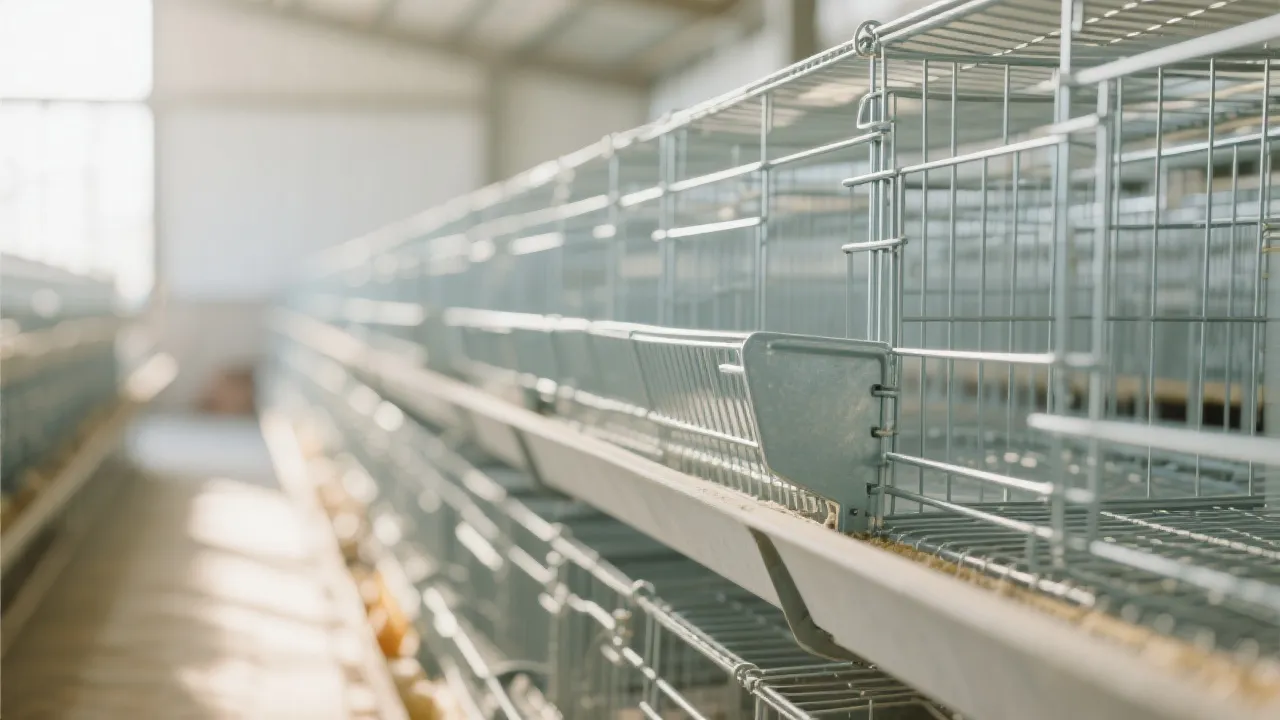
Critical Corrosion Challenges in Layer Hen Cages for Overseas Poultry Farmers
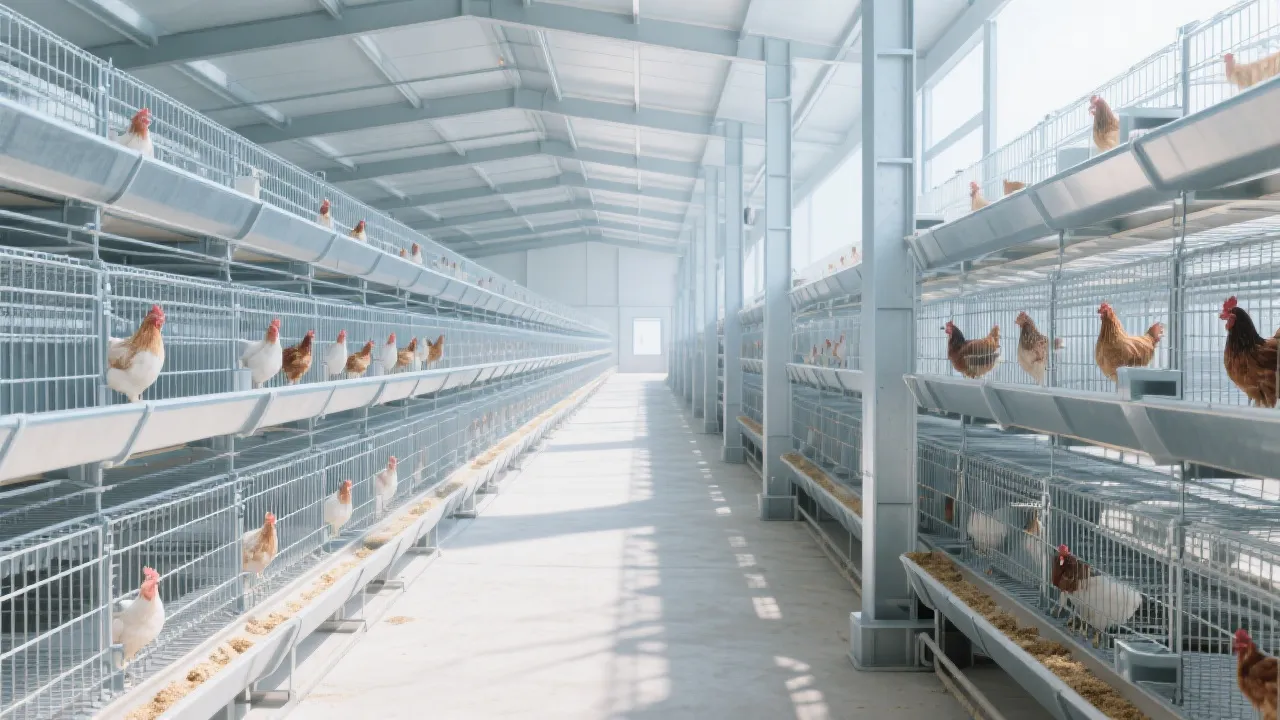
For poultry farmers outside your local market, ensuring the durability and integrity of your layer hen cages is paramount. The hidden threat of corrosion not only compromises structural safety but also escalates operational costs and disrupts flock management. Let’s explore how material selection and effective maintenance strategies can safeguard your investment, extend cage lifespan beyond 15 years, and increase your return on investment.
Understanding the Role of Q235 Steel in Cage Durability
Q235 carbon steel is widely adopted for layer hen cages due to its favorable mechanical properties, such as tensile strength averaging 370–500 MPa and cost-effectiveness. However, standalone Q235 steel is susceptible to corrosion under high moisture and ammonia-rich conditions typical of poultry houses, leading to oxidation and metal fatigue over time.
It is essential to recognize that while Q235’s structural robustness forms the backbone of your cages, relying solely on untreated steel will result in significant premature degradation within an approximate span of 5–7 years under typical farming environments. Preventive surface treatments are thus indispensable.
Hot-Dip Galvanization vs. Aluminium-Zinc Alloy Coating: A Comparative Analysis
| Feature | Hot-Dip Galvanized Coating | Aluminium-Zinc Alloy Coating |
|---|---|---|
| Corrosion Resistance | Effective for 10–15 years under moderate humidity | Superior resistance up to 20 years, especially in high-acidity environments |
| Coating Thickness | 45–85 microns | 55–75 microns with a more uniform layer |
| Resistance to Acidic Ammonia | Moderate — requires frequent maintenance | High — ideal for high-frequency cleaning poultry units |
| Cost Implication | Lower upfront cost | Slightly higher initial investment offset by longevity |
| Typical Application | Standard layer cages in temperate zones | Cages in humid or highly acidic environments |
Source: Industry corrosion tests in accordance with ISO 9227 Salt Spray Standards and ISO 9001 quality management protocols.
Implementing Practical Maintenance for Longevity
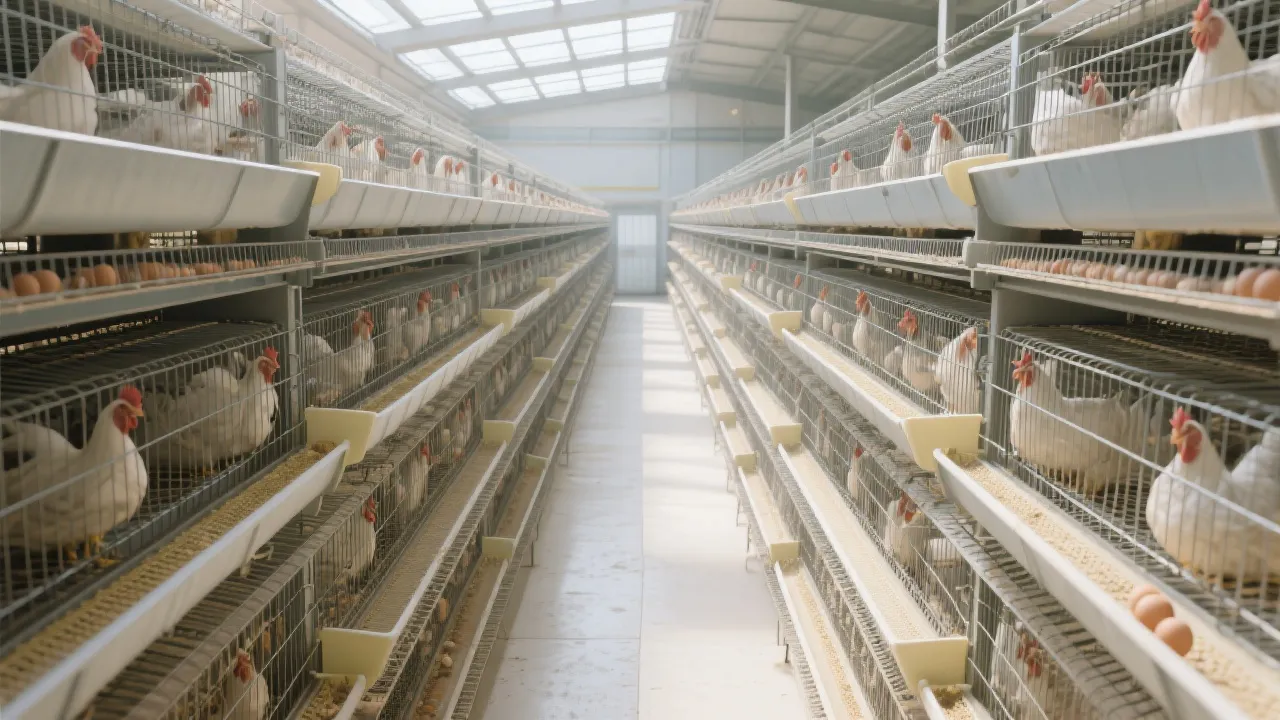
Your layer hen cages require not just superior materials but also consistent care. Below are proven daily maintenance actions vital for preventing corrosion onset and propagation:
- Frequent Inspection of Fasteners: Conduct bi-weekly checks of bolts and connectors for signs of rust or loosening.
- Routine Drainage Cleaning: Clear drainage channels weekly to prevent stagnant water accumulation triggering accelerated corrosion.
- Periodic Surface Treatment: Apply anti-corrosion sprays twice annually, especially before wet seasons.
- Environmental Control: Maintain adequate ventilation to reduce humidity and ammonia concentrations.
Implementing this tailored maintenance schedule can effectively extend cage service life by 20–30%, providing clear cost savings.
Real-World Impact: Case Study from a Commercial Layer Farm
A poultry farm in southern Europe adopted aluminium-zinc alloy coated Q235 steel cages combined with the aforementioned preventive maintenance. After 12 years, structural surveys revealed minimal surface corrosion (<5%), with no impact on cage functionality, a testament to material-engineering synergy.
Interactive Reminder: Are your layer hen cages entering the corrosion high-risk phase? Early detection could save significant expenditure.
Moving Forward with Confidence
Choosing the right corrosion-resistant coatings combined with a disciplined maintenance routine is a quantifiable approach to maximizing your equipment lifecycle and operational uptime. Don’t let corrosion silently erode your poultry farming ROI.
Contact Zhengzhou Livi Machinery’s Expert Team Now for a Customized Cage Health Assessment!




Hot Products

.jpg?x-oss-process=image/resize,m_fill,h_800,w_800/format,webp)


Popular articles




READY TO START?
Ready to Build Your Poultry Farm?
Tell us your land size, poultry type and farming capacity. LIVI will provide a complete farm solution for your project.