


Enhancing Investment Returns on Laying Hen Cages: Key Steps and Practical Advice for Selecting the Right Steel and Corrosion Protection

Maximizing Your Layer Hen Cage ROI: The Crucial Role of Steel Selection & Corrosion Protection
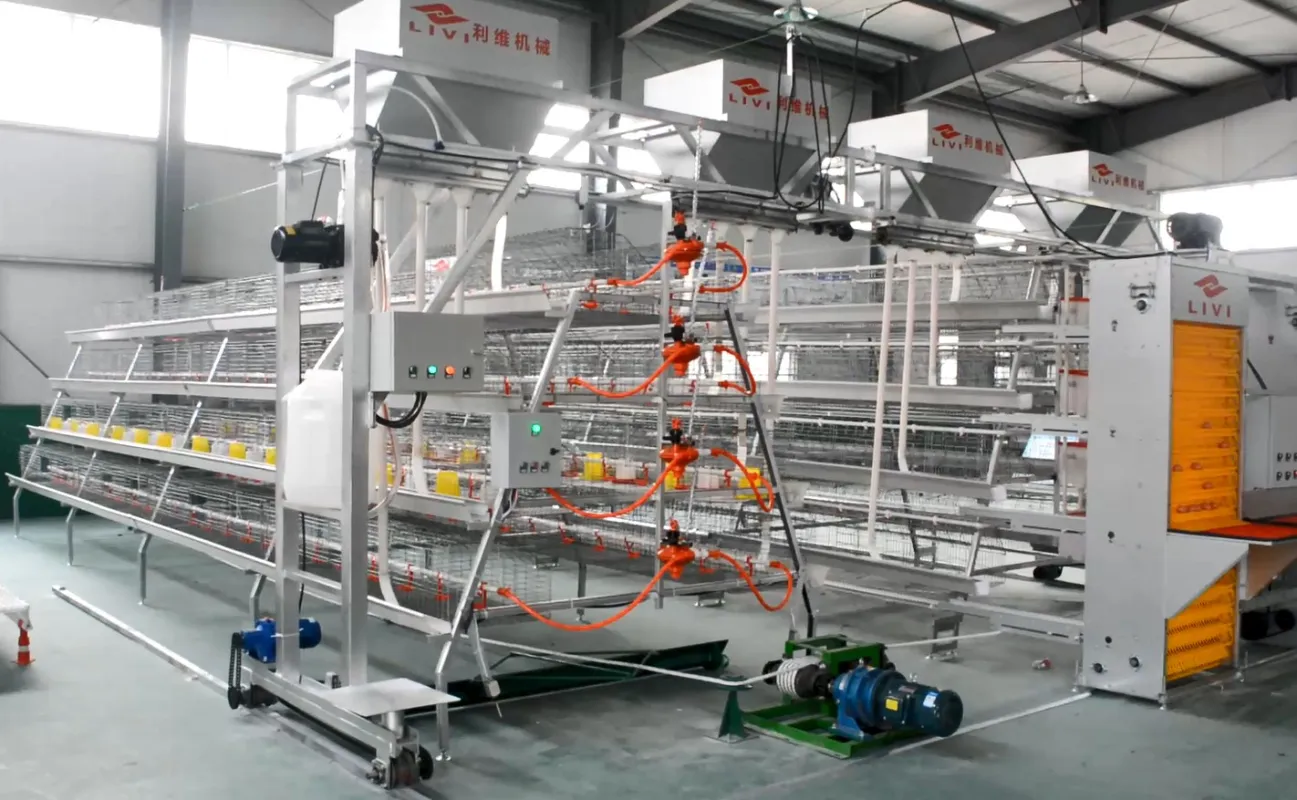
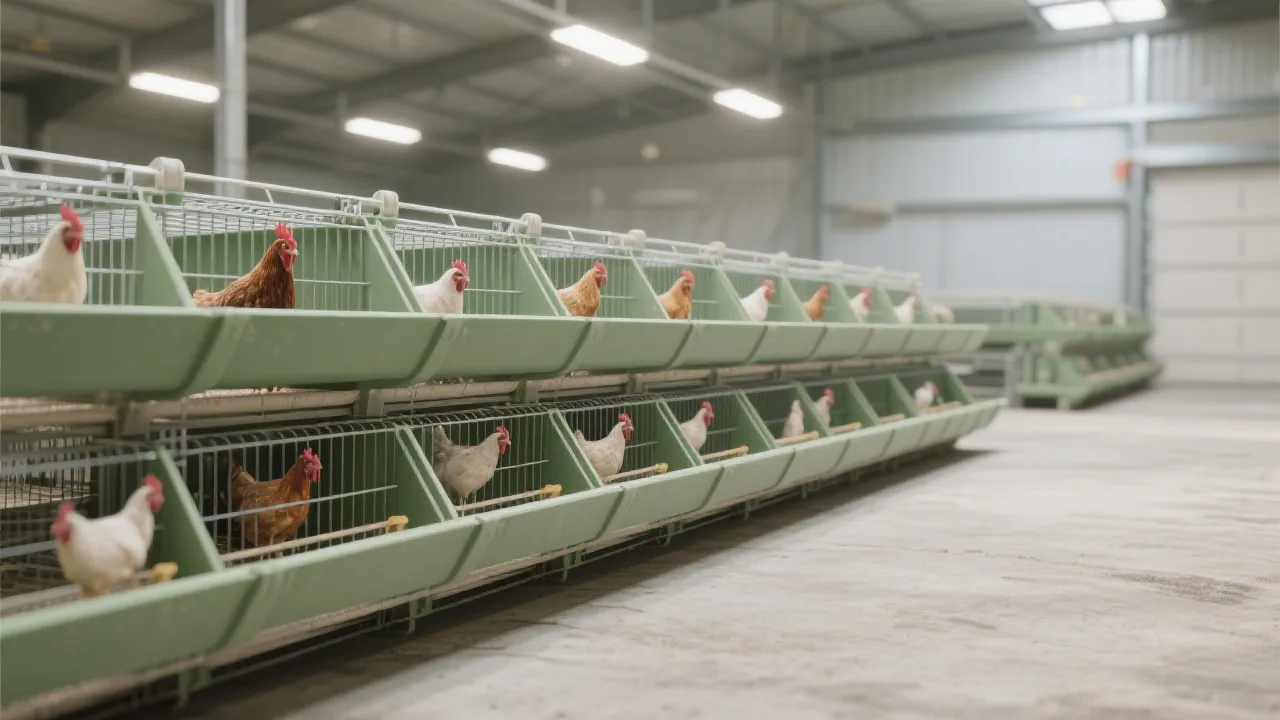
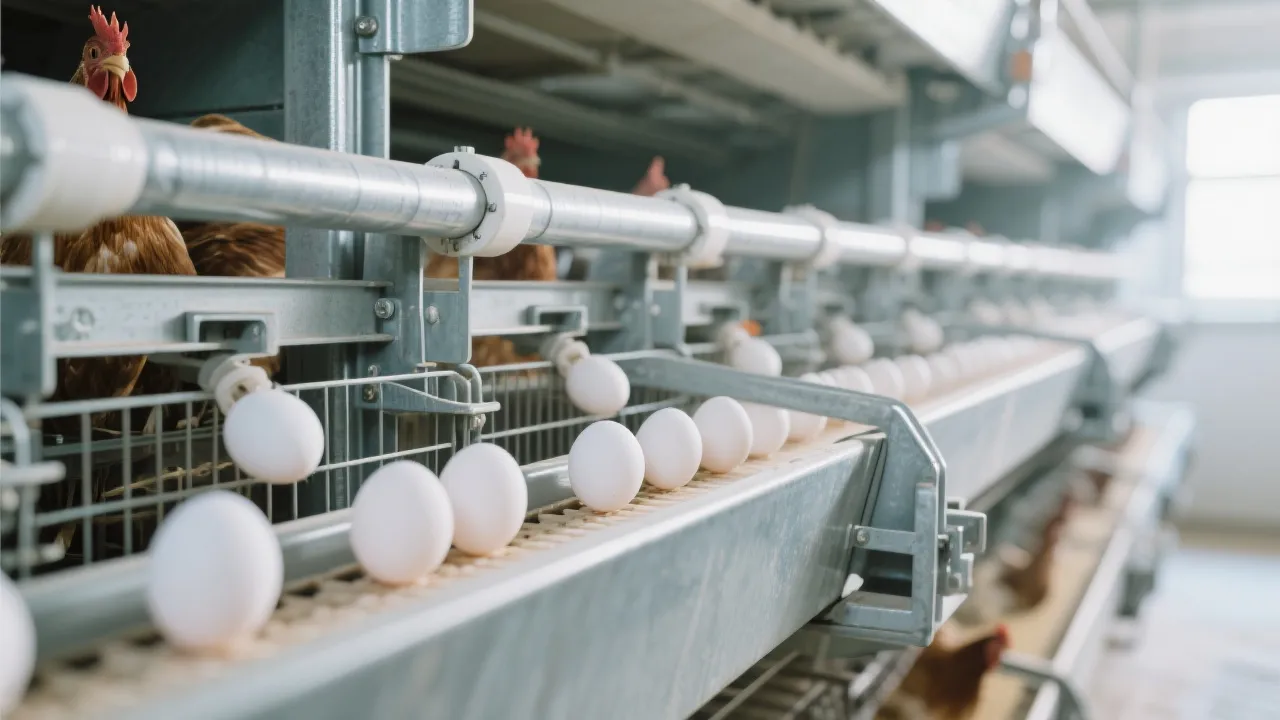
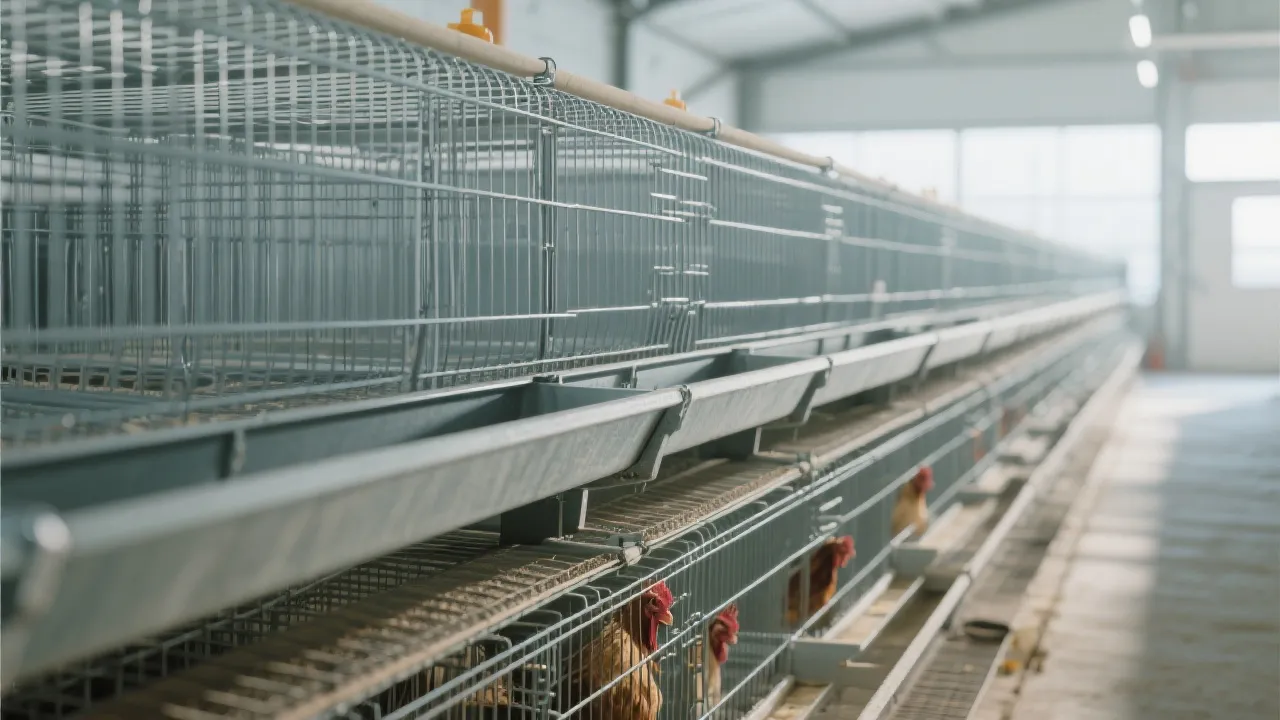
When managing your poultry farm, one strategic decision significantly affects your operating costs and operational continuity—selecting the right materials and protective processes for your layer hen cages. The longevity of these cages directly influences your investment's return, reducing replacement frequency and unexpected downtime. This guide details how choosing Q235 steel combined with the proper corrosion resistance treatment can yield 15 to 20 years of dependable service, cutting maintenance and capital expenditure.
Why Does Layer Hen Cage Durability Matter?
The lifespan of your cages impacts not just equipment costs but daily operational efficiency and flock health. Frequent cage failures mean downtime, labor to repair or replace, and potential biosecurity risks from damaged enclosures. Increasing durability means:
- Lower total cost of ownership over 15+ years
- Consistent environment for hens, boosting productivity
- Reduced labor and material expenses on repairs
Q235 Steel: The Sweet Spot of Strength and Cost-effectiveness
Among the variety of steel grades used in poultry equipment, Q235 carbon steel stands out for commercial-scale farms. Its mechanical properties align well with the demands of daily use:
| Property | Typical Value | Impact on Cage Performance |
|---|---|---|
| Tensile Strength | 370-500 MPa | Resists deformation under bird weight and handling |
| Yield Strength | 235 MPa | Ensures structural integrity under load |
| Cost Efficiency | Moderate | Balances material cost and long-term durability |
Heat-Dip Galvanizing vs. Aluminum-Zinc Alloy Coating: Choosing the Ideal Corrosion Barrier
Steel alone doesn’t guarantee lasting cages—protective coatings defend against humidity, manure acid corrosion, and harsh cleaning chemicals. Two leading surface treatments prevail:
- Hot-Dip Galvanizing: Steel dipped in molten zinc forms a tough barrier. Suitable for most environments, it offers uniform protection and self-healing of small scratches.
- Aluminum-Zinc (Galvalume) Coating: A sprayed or batch-coated alloy film combining aluminum (55%) and zinc (45%), this layer provides improved reflectivity and heat resistance, ideal for hot, humid regions.
| Feature | Hot-Dip Galvanizing | Aluminum-Zinc Coating |
|---|---|---|
| Corrosion Resistance | 10-15 years in coastal & humid areas | 12-20 years, better in high-humidity and temperature |
| Heat Resistance | Moderate | Superior |
| Initial Cost | Lower | Slightly Higher |
Essential Daily Maintenance: Simple Practices That Protect Your Investment
Even the finest materials and coatings require vigilant care. Implement these routine tasks to preserve cage integrity and extend service life:
- Tighten Connection Fasteners: Check and secure bolts, nuts, and clips at least every 3 months to prevent loosening from vibrations and bird activity.
- Clear Manure Channels & Drainage: Weekly cleaning prevents acid accumulations that accelerate steel corrosion.
- Inspect Robustness: Monthly visual inspections for coating wear, rust spots, or deformities enable early corrective actions.
Real-World Success Story
Consider a mid-sized commercial layer farm in Southeast Asia that replaced conventional cages with Q235 steel equipped with aluminum-zinc alloy coatings. After consistent maintenance over 18 years, cage replacement costs were reduced by over 60%, with no flock health issues linked to faulty cages. These savings allowed reinvestment into expanding capacity and upgrading feed systems, delivering healthy financial growth.





Hot Products

.jpg?x-oss-process=image/resize,m_fill,h_800,w_800/format,webp)


Popular articles




READY TO START?
Ready to Build Your Poultry Farm?
Tell us your land size, poultry type and farming capacity. LIVI will provide a complete farm solution for your project.