


Enhancing Airflow in Layer Chicken Farming: Key Ventilation Techniques for Health and Productivity
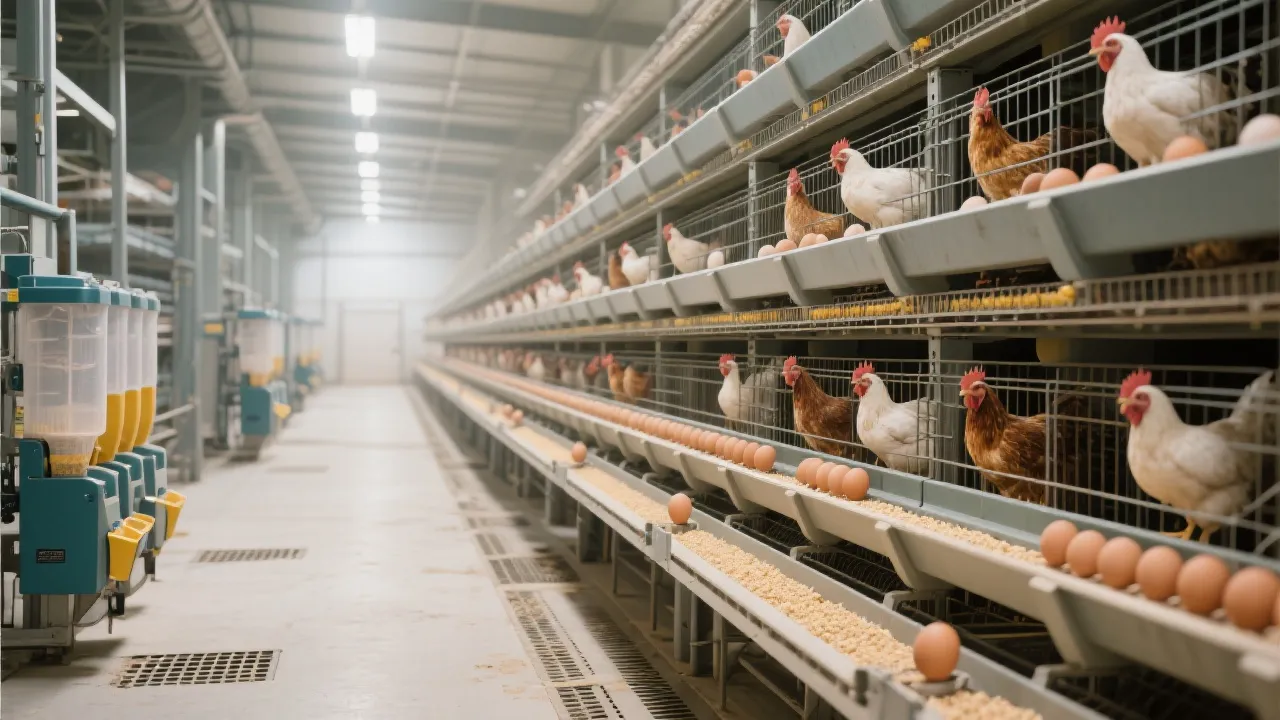
Why Ventilation Matters in Layer Chicken Farming – A Practical Guide
In the egg production business, air quality is often overlooked—but it’s one of the top factors affecting flock health, feed efficiency, and egg output. In fact, studies show that poor ventilation can reduce daily egg production by up to 5–8% due to stress, respiratory issues, and elevated ammonia levels.
How Natural Wind Pressure & Mechanical Fans Work Together
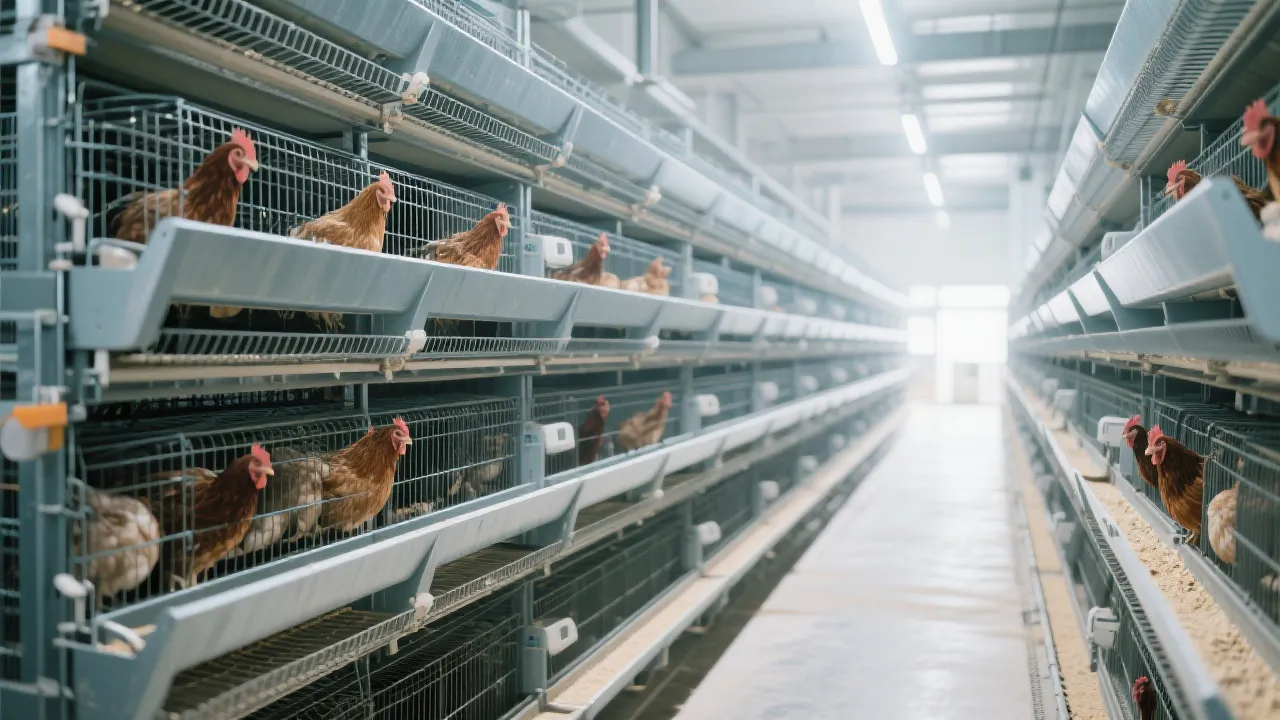
Many farms rely on natural wind pressure for airflow—especially in open-sided barns. But this method alone isn’t enough during hot or humid months. That’s where mechanical ventilation comes in: exhaust fans pull stale air out while fresh air enters through inlets or sidewalls. The key? Balancing both systems so airflow moves smoothly from top to bottom without creating dead zones.
For example, a farm in northern China reported high ammonia (NH₃) readings above 25 ppm—well above the safe limit of 15 ppm—because air wasn’t circulating evenly between cage layers. After adjusting fan placement and adding vertical air channels, they dropped NH₃ to under 10 ppm within two weeks.
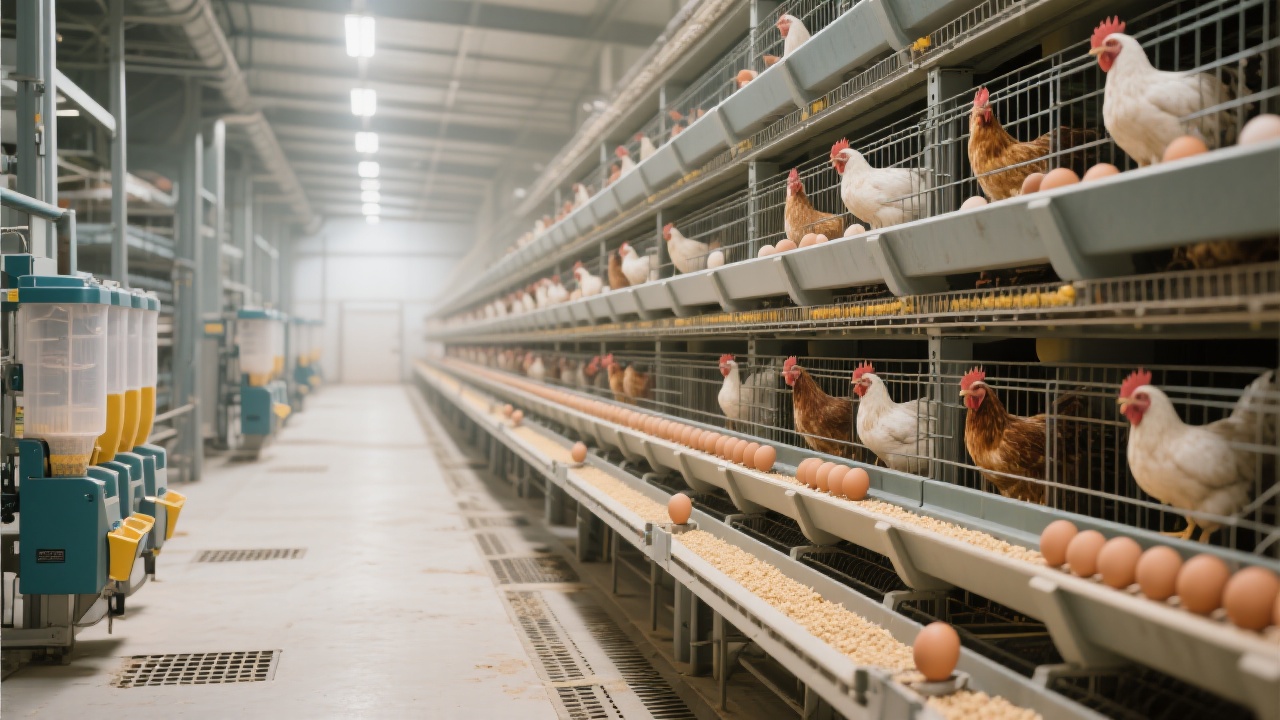
The Hidden Problem: Airflow Dead Zones & Ammonia Build-Up
Dead zones—areas where air barely moves—are common in poorly designed poultry housing. These spots trap moisture, heat, and harmful gases like ammonia, which irritate eyes and lungs, leading to reduced appetite and lower eggshell quality.
| Issue | Typical Cause | Impact on Chickens |
|---|---|---|
| High Ammonia Levels | Poor air exchange + wet litter | Respiratory disease, eye irritation, drop in egg production |
| Hotspots | Inadequate fan capacity or placement | Heat stress → decreased feed intake → lower egg weight |
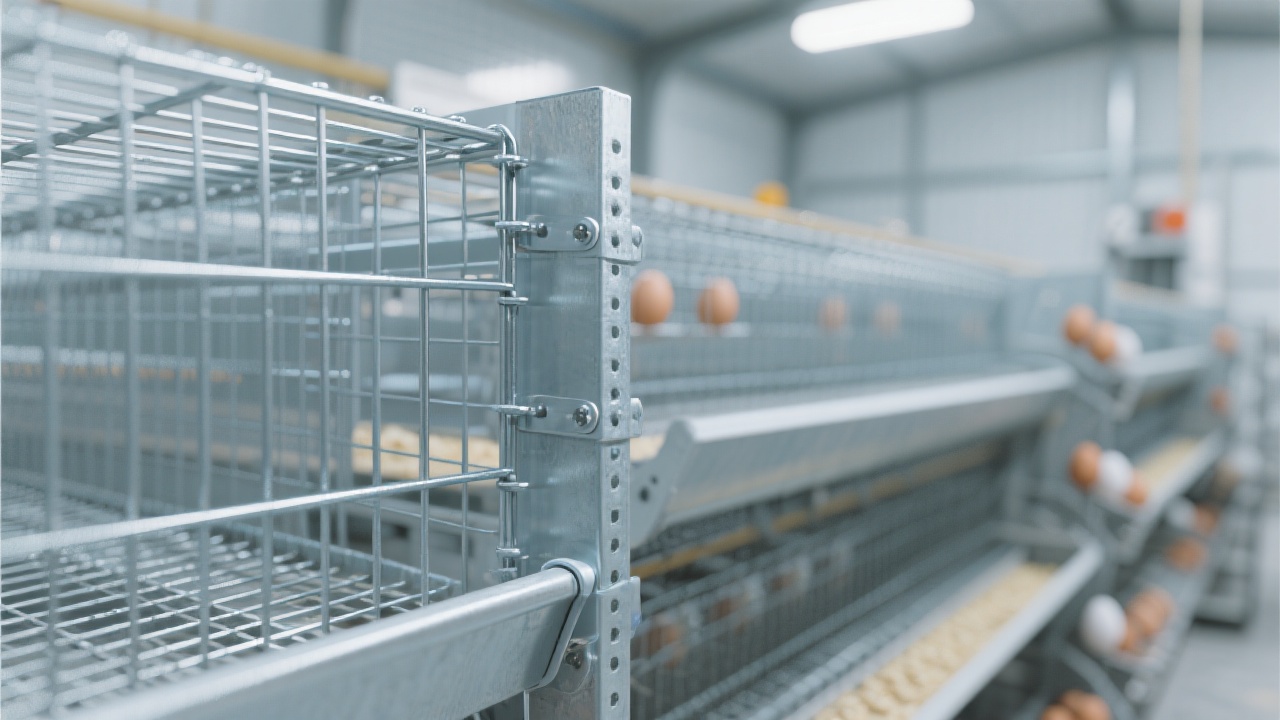
How H-Type Cage Design Solves Real-World Problems
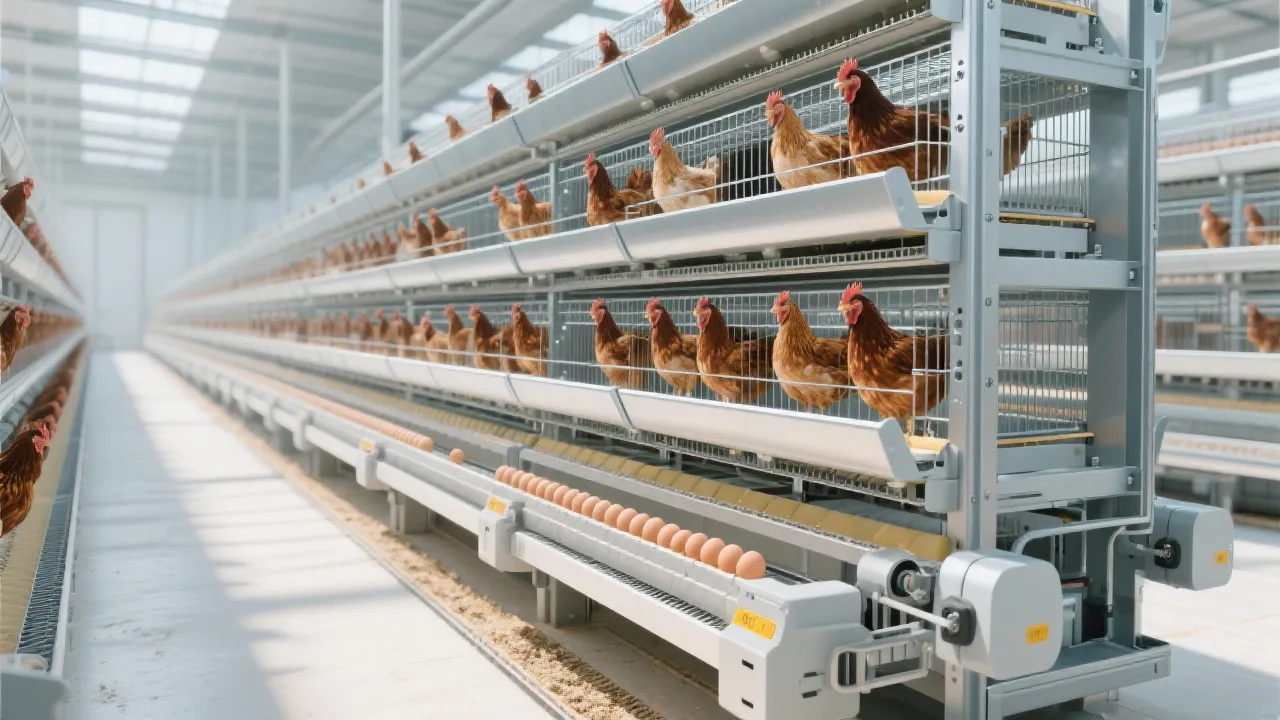
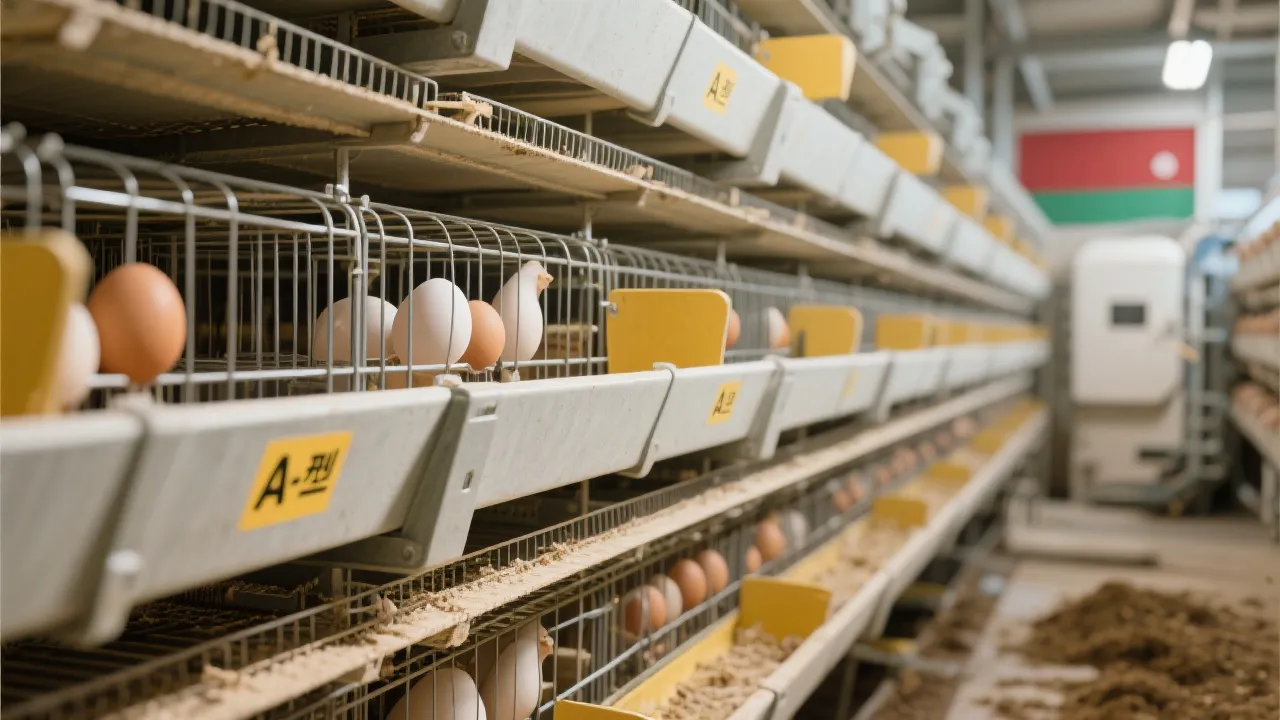
Take Livi Machinery 's H-type layer cage system—a proven solution used across Asia and Latin America. Its unique features include:
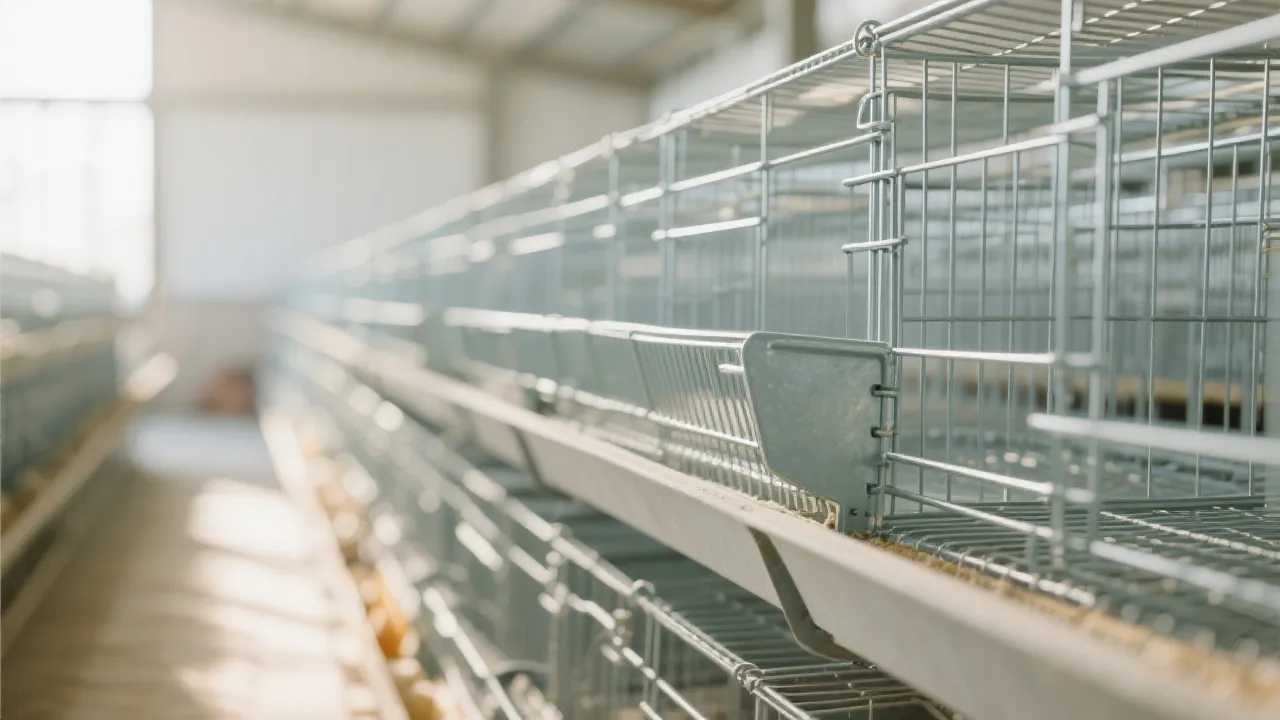
- Optimized net hole layout: 12 mm × 12 mm mesh allows better airflow while preventing chicks from getting stuck.
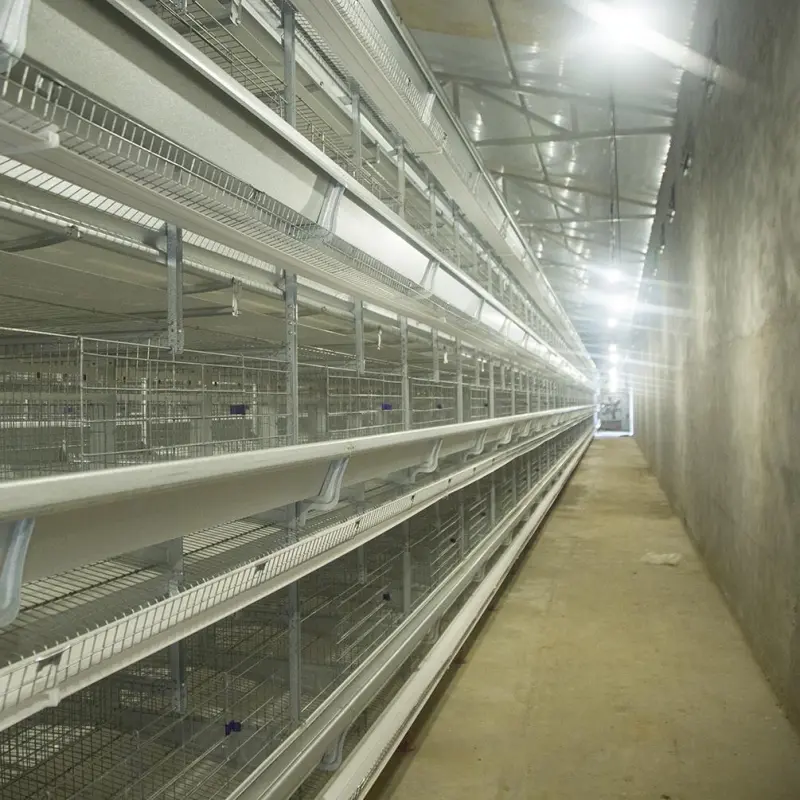
- Increased inter-layer gap: 15 cm instead of standard 10 cm improves vertical air movement, reducing humidity buildup.
- Easy-to-clean structure: Minimizes dust accumulation, keeping air cleaner longer.
A case study from a 10,000-bird farm in Mexico showed a 12% improvement in uniformity and a 7% rise in egg production after switching to H-type cages combined with smart ventilation control.
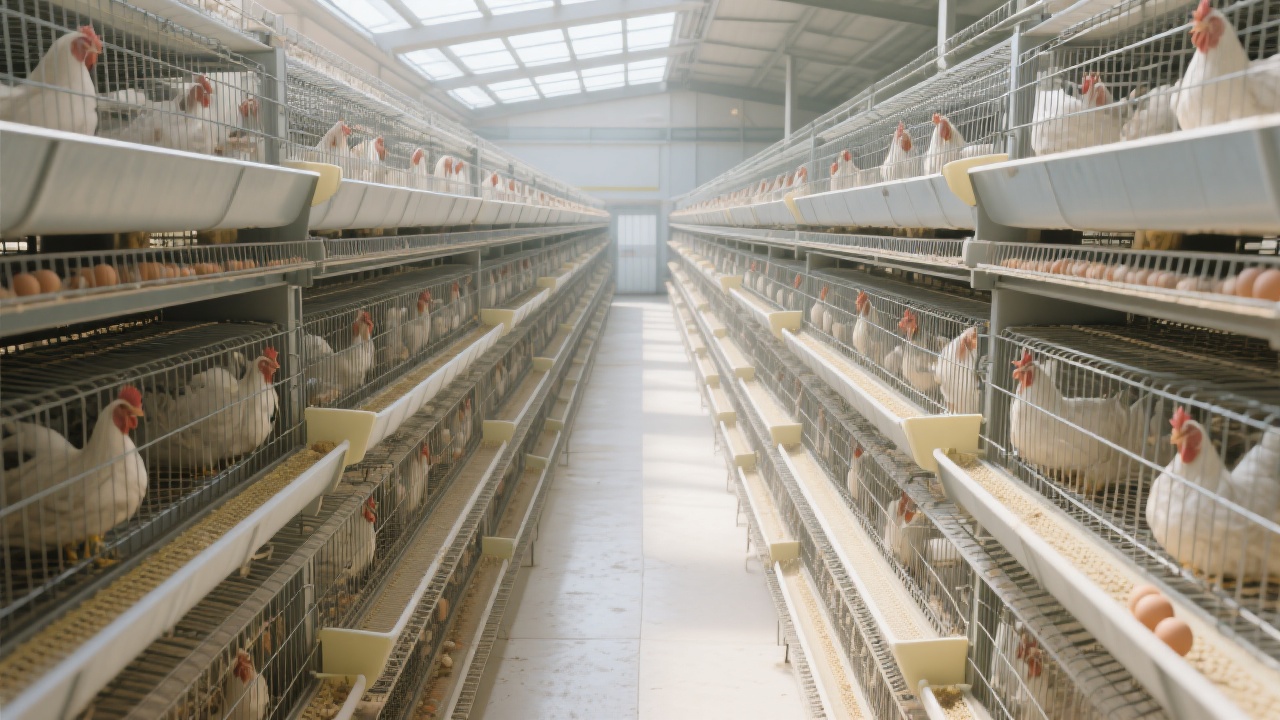
Actionable Tips for Better Air Quality Today
If you’re managing a layer farm, here are three steps you can take now:
- Install an air quality monitor (like CO₂, NH₃, and temperature sensors) to track real-time conditions.
- Adjust fan speed based on season—higher in summer, lower in winter—to avoid overcooling.
- Reposition cages or add airflow guides if you notice birds huddling near walls or not using all tiers evenly.
Remember: healthy chickens = consistent eggs. And healthy chickens start with clean, moving air—not just "enough" ventilation.
Have your own ventilation challenge? Share your story below—we’ll help you find a tailored fix!


Hot Products

.jpg?x-oss-process=image/resize,m_fill,h_800,w_800/format,webp)


Popular articles



READY TO START?
Ready to Build Your Poultry Farm?
Tell us your land size, poultry type and farming capacity. LIVI will provide a complete farm solution for your project.