


Enhancing Air Quality in Layer Chicken Farms: A Comprehensive Guide to Ventilation and Temperature Control Systems

Optimizing Air Quality in Layer Hen Farms: A Technical Guide to Ventilation & Temperature Control
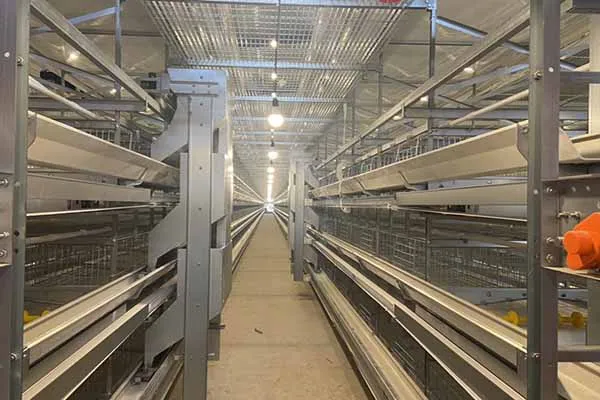
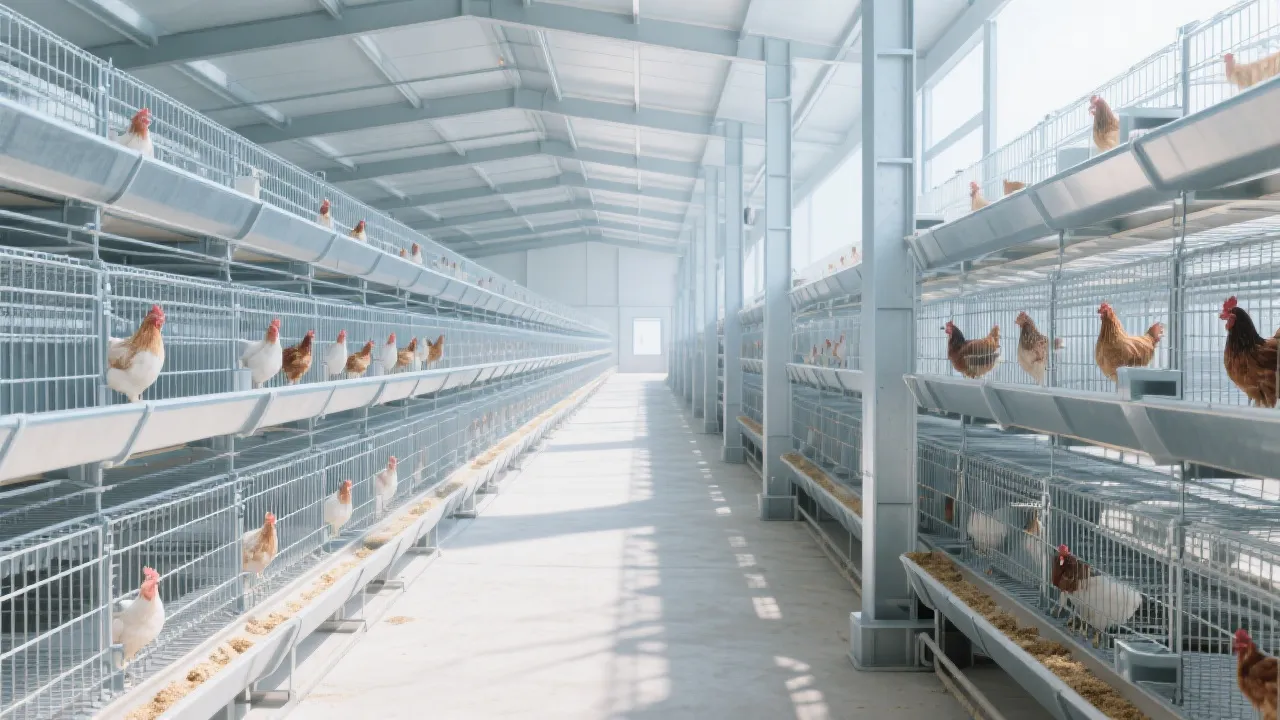
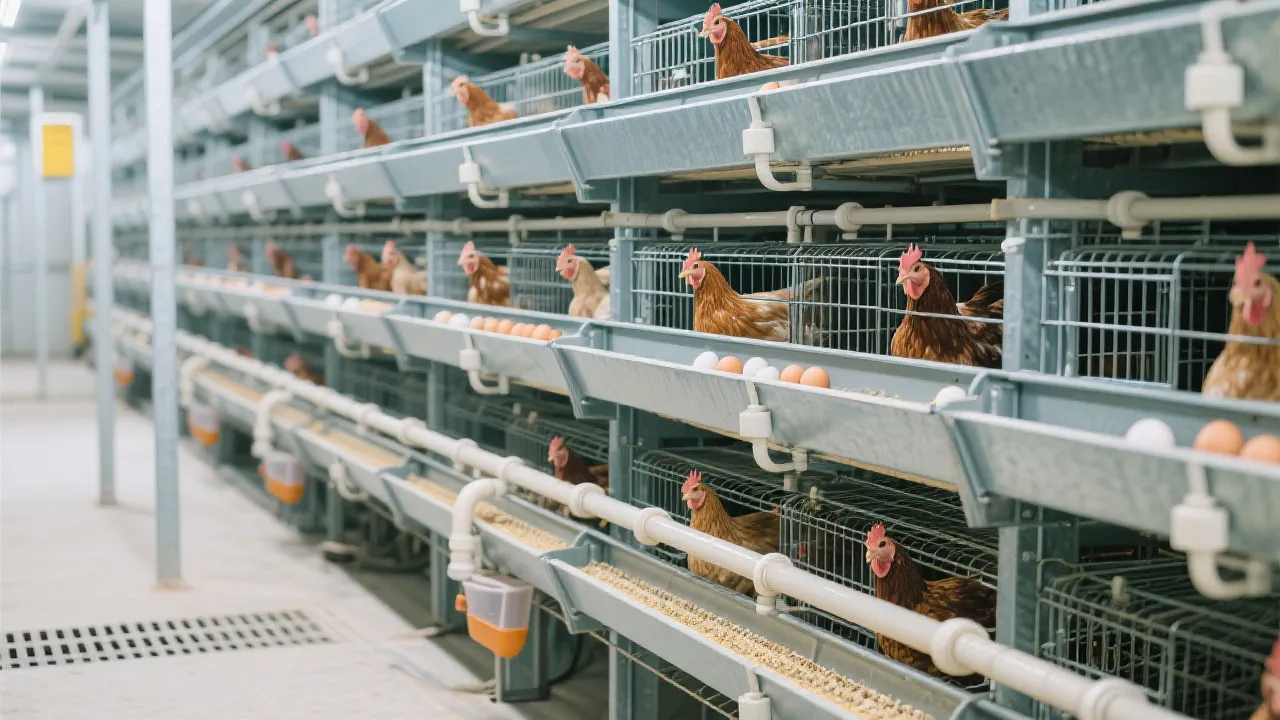
In modern poultry farming, air quality isn't just a comfort issue—it's a productivity driver. According to the FAO (2023), poor ventilation can reduce egg production by up to 12% and increase mortality rates by 8–15% in high-density layer houses. That’s why郑州利维机械’s H-type multi-tier cage system integrates advanced airflow design and automated temperature regulation to create a healthier, more efficient environment for hens.
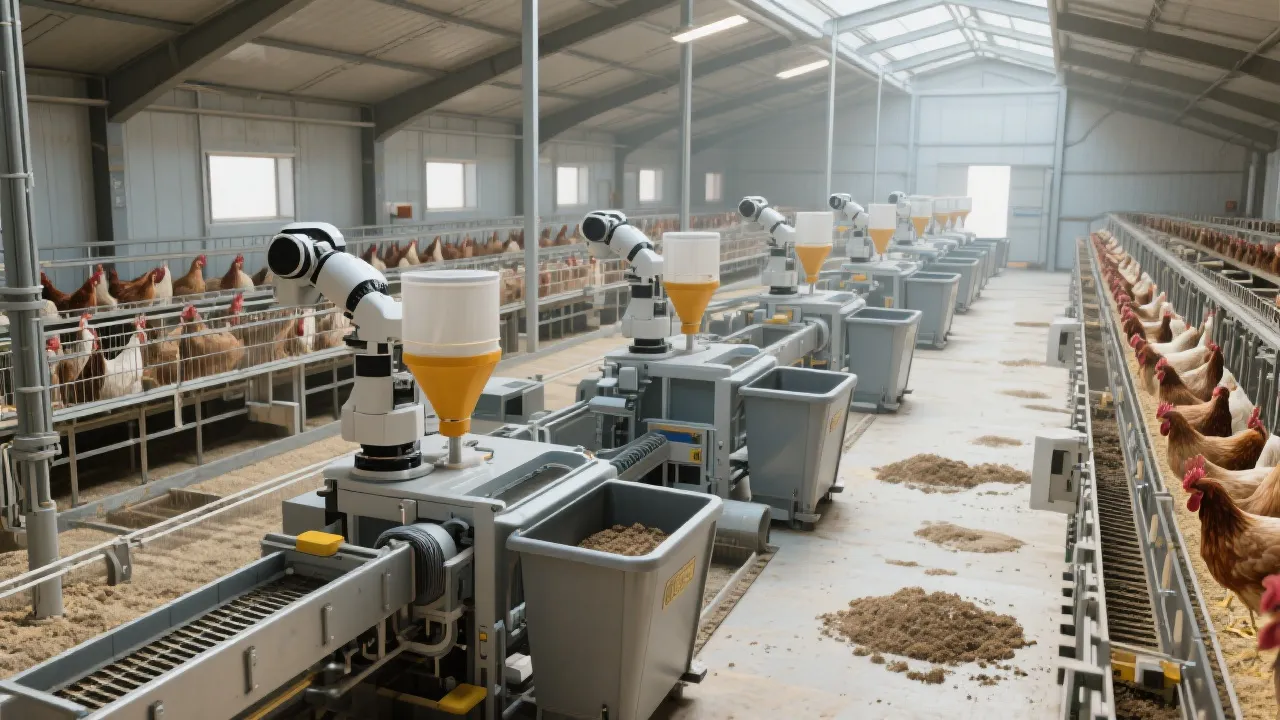
How the Automatic Manure Removal System Works
The core of this system lies in its three-stage manure handling process:
- Centralized Collection: Manure is continuously moved via conveyor belts to a central bin—reducing manual labor by ~70% compared to traditional methods.
- Dry-Wet Separation: Using a mechanical sieve, liquid waste is separated from solids. Dry matter becomes compost-ready material; liquid is diverted for anaerobic digestion or safe discharge.
- Pathogen Reduction: The dry fraction undergoes thermal treatment at 65°C for 48 hours, reducing E. coli and Salmonella levels by over 99%—critical for compliance with ISO 14001 standards.
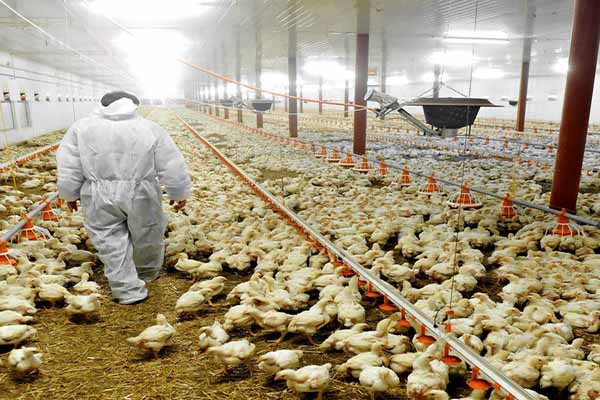
Why Airflow Design Matters More Than You Think
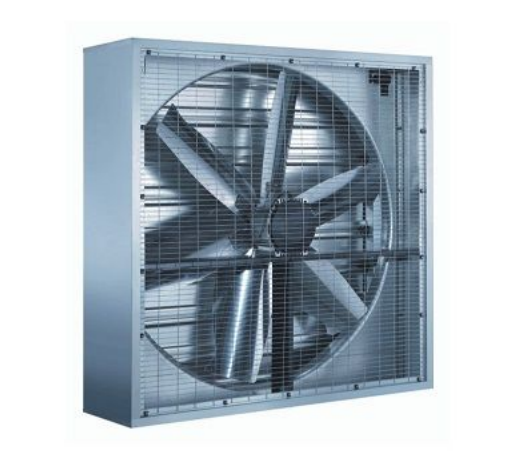
Ammonia (NH₃) concentration above 25 ppm causes respiratory stress in hens, leading to reduced feed intake and lower shell quality. Our ventilation system uses variable-speed fans and cross-flow air distribution to maintain NH₃ levels below 15 ppm year-round—even during winter months when barns are sealed tight.
| Parameter | Target Range | Impact on Productivity |
|---|---|---|
| Temperature (°C) | 18–22°C | +5–8% egg production |
| Relative Humidity (%) | 55–65% | Improved feather condition |
| NH₃ Level (ppm) | ≤15 ppm | Reduced mortality by 10–12% |
From Compliance to Competitive Edge: Building a Green Farm
Many farms struggle with environmental regulations—not because they lack intent, but due to unclear implementation paths. With our modular system, you can build a compliant process aligned with ISO 14001 within 3–6 months:
- Install automated manure handling + ventilation control (Month 1–2)
- Document waste management procedures (Month 3)
- Engage third-party auditor for certification (Month 4–6)
Farms that achieve ISO 14001 certification often see a 20% premium in export contracts—from EU buyers who prioritize sustainability—to Chinese processors seeking green credentials.
Pro Tip: Combine real-time monitoring tools like IoT sensors with your existing farm management software to track ammonia, temperature, and humidity trends weekly—this makes audits easier and helps prevent issues before they impact bird health.
Whether you're upgrading an old facility or designing a new one, integrating smart ventilation and automated waste management isn’t just about meeting standards—it’s about future-proofing your operation against rising regulatory pressure and growing global demand for sustainable food systems.
Download the Full Technical Manual + Case Studies



Hot Products

.jpg?x-oss-process=image/resize,m_fill,h_800,w_800/format,webp)


Popular articles





READY TO START?
Ready to Build Your Poultry Farm?
Tell us your land size, poultry type and farming capacity. LIVI will provide a complete farm solution for your project.