


Egg Layer Cage Maintenance Guide | Extend Lifespan & Boost Efficiency with 5 Monthly Tasks

Egg Layer Cage Maintenance Manual: 5 Essential Monthly Tasks to Extend Your Equipment’s Lifespan
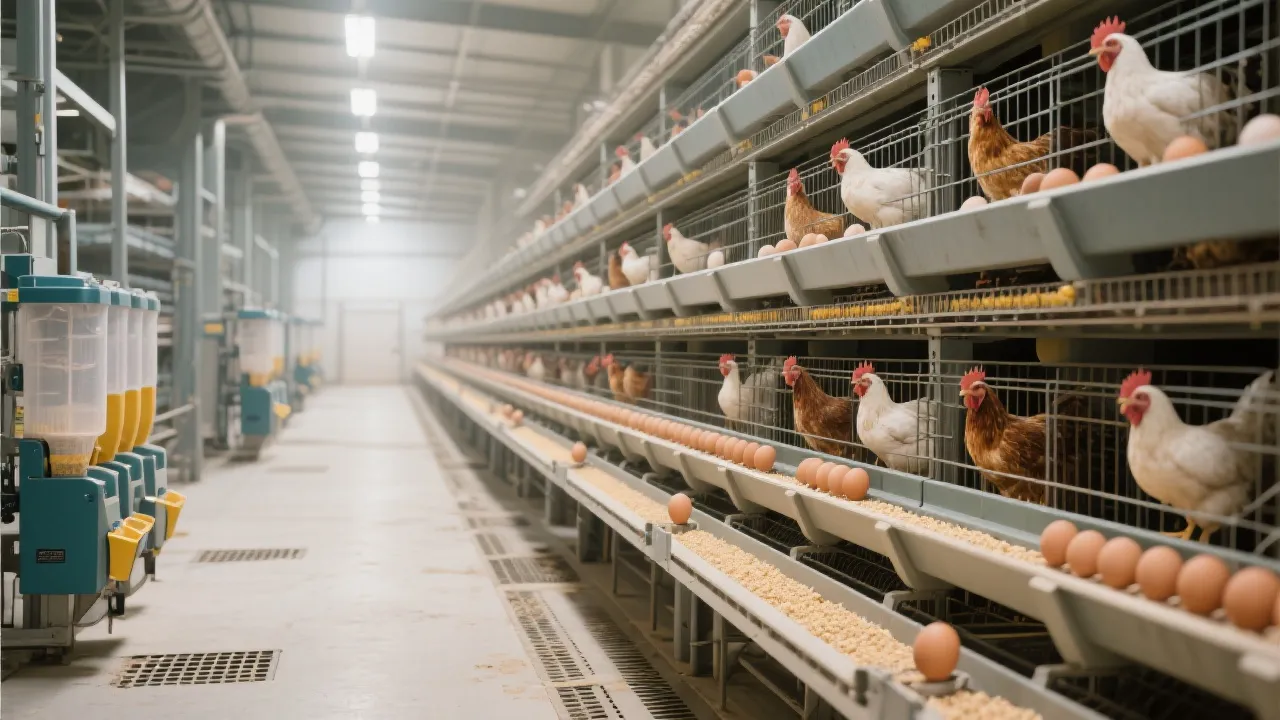
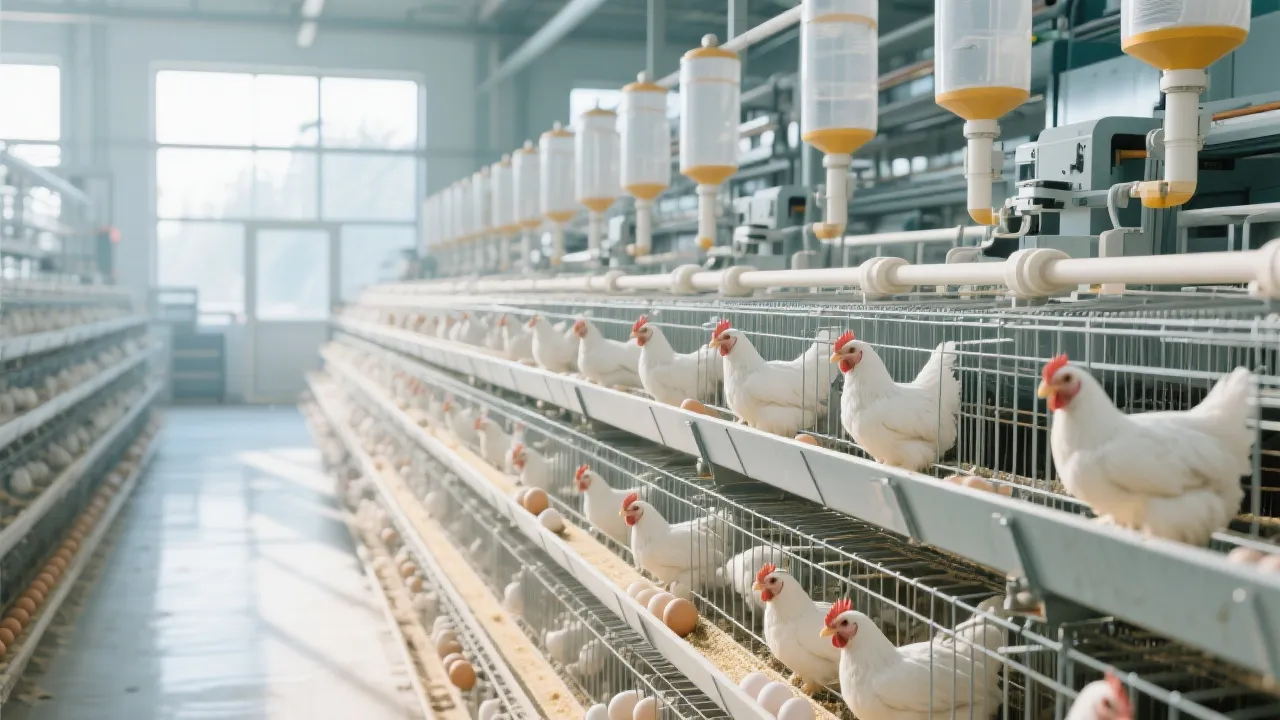
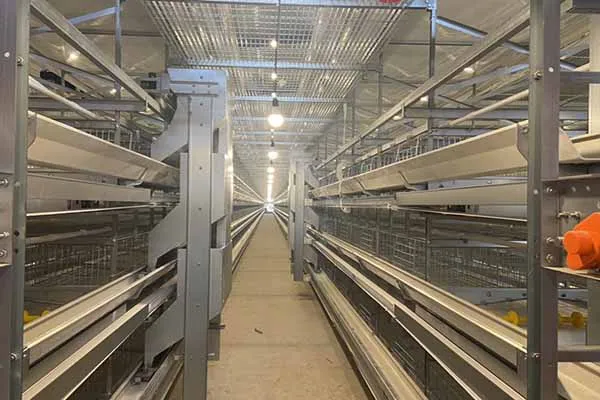
Are your egg layer cages lasting less than 3 years? The issue might not be poor materials but the lack of proper monthly maintenance. This detailed guide reveals the core factors affecting the durability of H-type layer cages—from steel corrosion resistance to daily cleaning, structural inspections, and ventilation management. By implementing these five maintenance practices consistently, you can extend your cage lifespan by over 50%, effectively reducing operational costs, avoiding production delays, and boosting egg-laying efficiency.
Understanding Lifespan Loss: Common Failure Scenarios
Typically, layer cages fail prematurely because of rust accumulation, mechanical wear, and poor airflow leading to structural fatigue. These failures often result in costly downtime—lost production days, expensive replacements, and higher labor costs for emergency repairs.
The Three Pillars of Longevity: Material, Surface Protection, and Environment
To maintain your cages efficiently, you need to focus on:
- High-quality steel materials that provide a stable base.
- Advanced surface treatments, such as hot-dip galvanizing and composite anti-corrosion coatings, that prevent rust.
- Proper environment management focusing on ventilation, humidity control, and timely cleaning to minimize corrosive factors.
Monthly Maintenance: The 5 Must-Do Operations
| Maintenance Task | Description | Expected Impact |
|---|---|---|
| Coating Integrity Inspection | Check for peeling or damage to galvanization and touch up with anti-corrosion paint. | Prevents rust spots, extends lifespan by 20–30% |
| Routine Cleaning | Remove dirt, manure buildup, and moisture residue to avoid corrosion and bacterial growth. | Maintains cage hygiene and structural integrity |
| Mechanical Components Lubrication | Lubricate movable parts to reduce friction and prevent wear. | Reduces breakdown risk, improves operational efficiency |
| Structural Stability Check | Inspect welds, bolts, and frames for loosening or damage and tighten or repair as needed. | Prevents accidents and prolongs cage durability |
| Ventilation Optimization | Ensure airflow systems are functioning to control humidity and temperature. | Lowers corrosion risk and improves hen welfare, boosting egg production |
Real Data: Hot-Dip Galvanized vs Composite Anti-Corrosive Treatments
Comparative laboratory tests confirm the exceptional corrosion resistance of composite coatings over traditional galvanization:
| Coating Type | Salt Spray Resistance (hours) | Expected Cage Lifespan (Years) |
|---|---|---|
| Standard Hot-Dip Galvanized | 500 | 2–3 |
| Composite Anti-Corrosive Coating | 1200+ | 4–5+ |
"Regular maintenance is not an expense but a strategic investment. Our data shows that cages maintained as per these guidelines deliver over 50% longer lifespan, minimizing downtime and maximizing flock productivity." — Dr. Emily Johnson, Poultry Equipment Expert
Your Practical Self-Checklist & Preventative Strategies
Implementing a monthly maintenance calendar ensures nothing is overlooked. Here’s a simple checklist to keep at hand:
- Inspect all cage surfaces for coating wear or damage.
- Clean manure residues thoroughly with low-pressure water spray.
- Apply lubricant to hinges, rollers, and moving parts.
- Tighten any loose bolts or structural connections.
- Verify ventilation system is clean and unobstructed.
Employing sensors or manual humidity checks helps monitor environmental conditions and schedule cleaning or repairs proactively. This approach saves hundreds, sometimes thousands, of dollars annually by avoiding unexpected breakdowns.
Ready to upgrade your egg layer cages with high-efficiency, long-lasting designs and expert maintenance support? Discover our premium hot-dip galvanized and composite coated layer cages — the smart choice for cost-saving, hassle-free, and stable poultry farming.





Hot Products

.jpg?x-oss-process=image/resize,m_fill,h_800,w_800/format,webp)


Popular articles





READY TO START?
Ready to Build Your Poultry Farm?
Tell us your land size, poultry type and farming capacity. LIVI will provide a complete farm solution for your project.