


Egg Chicken Farming Compliance & Sustainability: Automated Manure Systems for Waste Recycling | ISO 14001 Best Practices
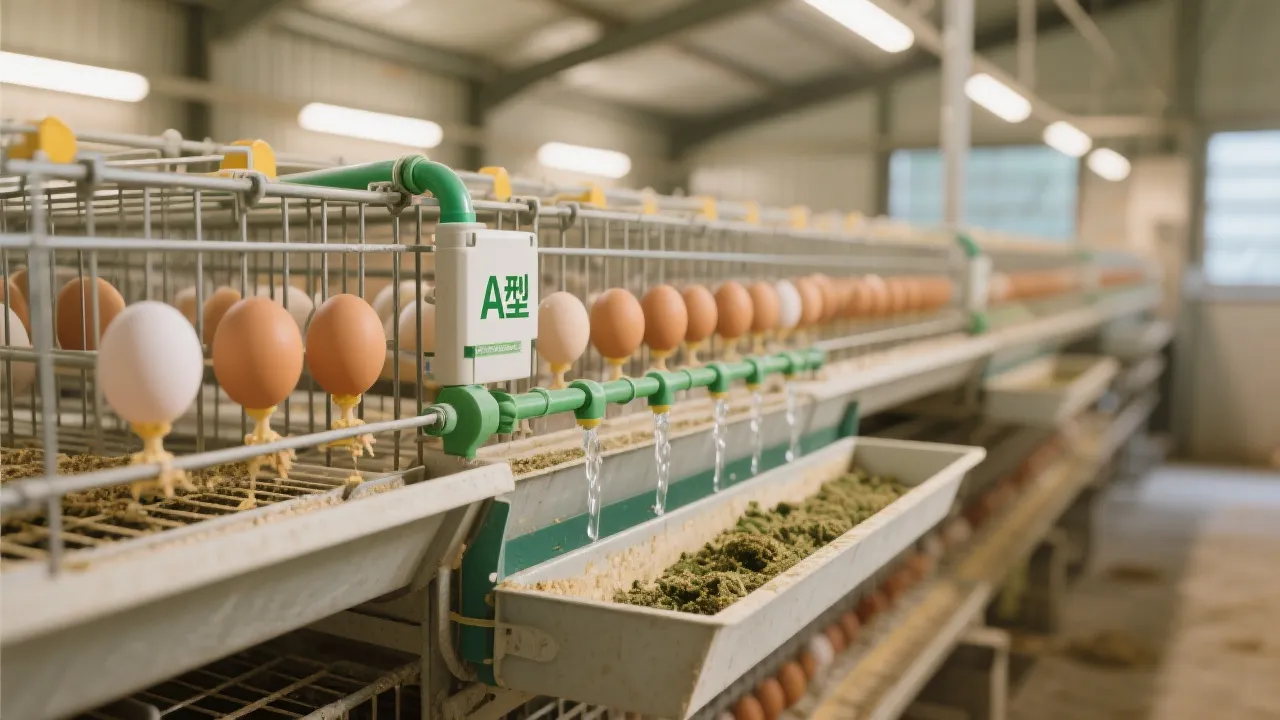
How Automated Manure Removal Systems Are Transforming Egg-Laying Chicken Farms
With global regulations tightening around agricultural emissions—especially in the EU, North America, and parts of Asia—egg producers face increasing pressure to comply with environmental standards like ISO 14001. But compliance doesn’t have to mean higher costs or lower productivity. In fact, smart automation can reduce both risk and operational expenses while boosting hen health and egg output.
The Growing Compliance Challenge for Layer Farms
According to the FAO (2023), over 60% of new poultry farms in Europe now require full manure management plans before licensing. In China, recent amendments to the Soil Pollution Prevention and Control Law mandate that all large-scale livestock operations implement dry-wet separation systems by 2025. This isn't just about avoiding fines—it's about future-proofing your farm against regulatory scrutiny and consumer expectations for sustainable food production.
“Farmers who invest in automated waste handling today are not only meeting today’s rules—they’re building trust with buyers tomorrow.”
— Dr. Lena Müller, Agri-Environmental Consultant, EU Commission Expert Panel
From Waste to Resource: How H-Type Cage Systems Enable Circular Farming
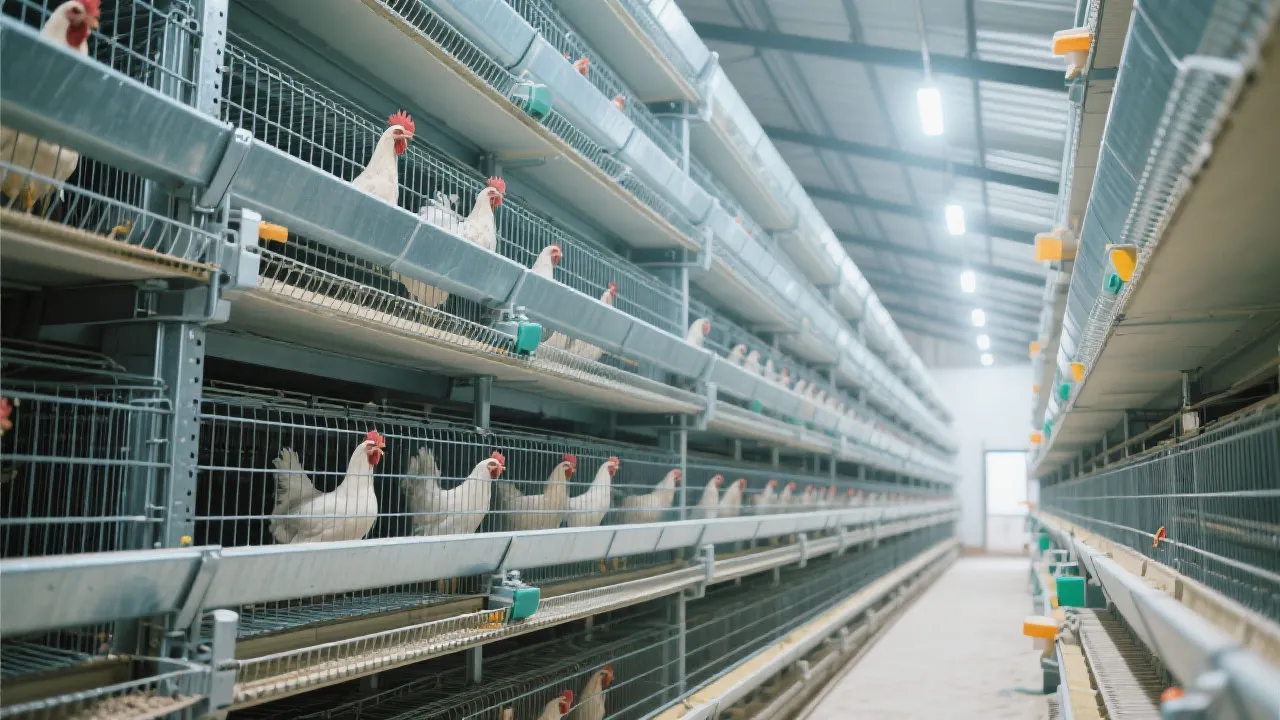
The key lies in integrating an automated manure removal system into modern H-type layer cages. These systems typically feature:
- Continuous scraping mechanism: Removes droppings every 4–6 hours, minimizing ammonia buildup
- Integrated dry-wet separator: Separates solids (for composting) from liquid (for anaerobic digestion)
- Odor control via biofilter: Reduces NH₃ levels by up to 75%, improving air quality inside barns
A case study from a 20,000-hen farm in the Netherlands showed that after installing such a system:
| Metric | Before Automation | After Automation |
|---|---|---|
| Ammonia concentration (ppm) | 45 ppm | 18 ppm |
| Daily labor cost (USD) | $80 | $35 |
| Egg production rate (%) | 82% | 89% |
Ventilation Meets Waste Management: A Synergistic Approach
It’s not enough to just remove manure—you must also manage airflow. Poor ventilation leads to high humidity and ammonia, which directly impacts bird respiratory health. The best-performing farms combine:
- Side-wall fans synchronized with manure scraper cycles
- Temperature sensors linked to automatic curtain controls
- CO₂ monitoring to trigger fresh air exchange
This integrated approach reduces stress on birds, improves feed conversion ratios, and aligns with ISO 14001’s emphasis on continuous improvement through measurable environmental indicators.
Practical Tips for Implementation
Here’s what successful farms do differently:
- Start small: Pilot one house before scaling across the entire operation
- Train staff on maintenance—not just operation—to prevent breakdowns
- Track metrics monthly: Ammonia levels, labor time, egg yield, and energy use
- Avoid common pitfalls: Don’t skip the biofilter or assume "dry" means safe—moisture content matters for composting
If you're ready to move from reactive compliance to proactive sustainability, it's time to rethink how waste becomes value.
Ready to upgrade your farm with smart, compliant, and profitable automation?
立即了解如何通过自动化升级实现合规增效





Hot Products

.jpg?x-oss-process=image/resize,m_fill,h_800,w_800/format,webp)


Popular articles




READY TO START?
Ready to Build Your Poultry Farm?
Tell us your land size, poultry type and farming capacity. LIVI will provide a complete farm solution for your project.