


Efficient Manure Removal Systems for Layer Farms | Eco-Friendly & Cost-Effective Solutions
How Efficient Manure Removal Systems Are Transforming Poultry Farming
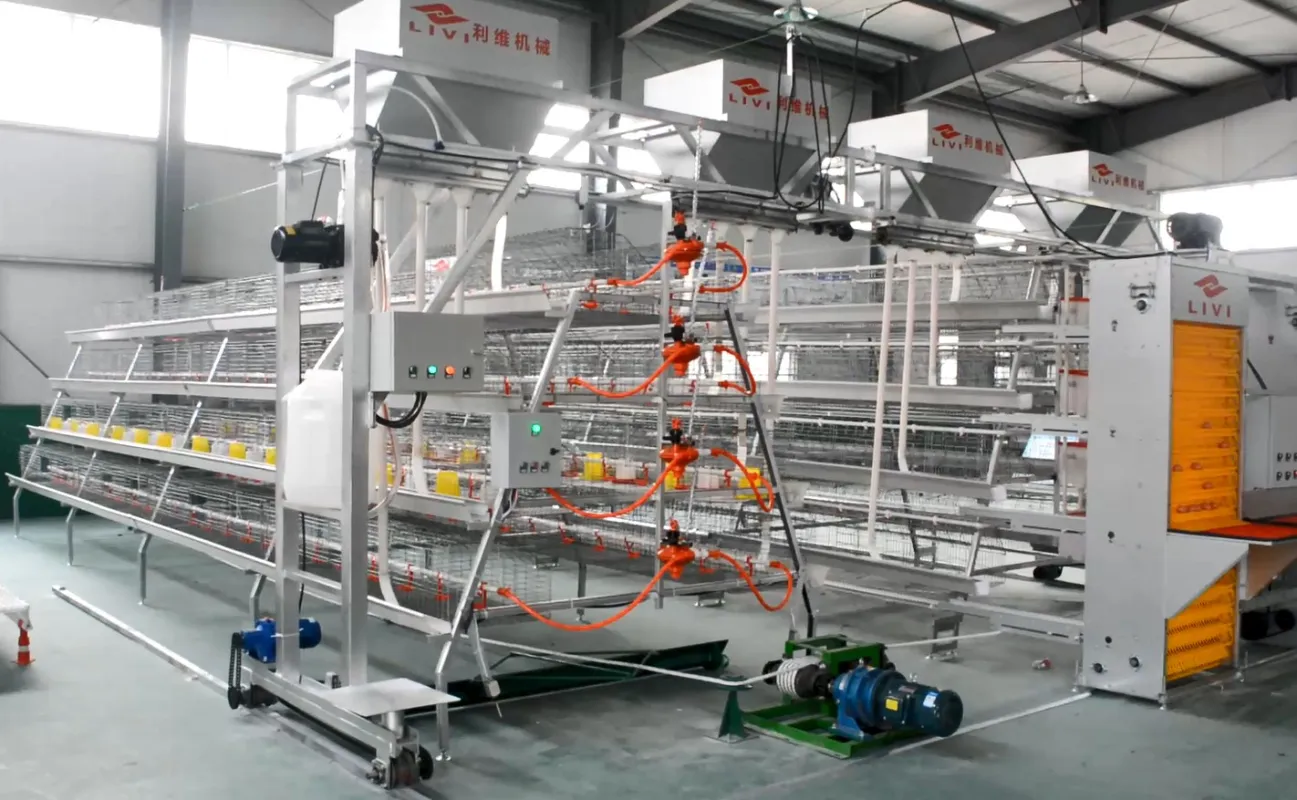
For egg producers aiming to meet modern environmental standards while boosting productivity, the choice of manure management technology is no longer optional—it’s strategic. In H-type layer cages, where space efficiency and animal welfare are critical, mechanical scraper systems and screw conveyor technologies have emerged as proven solutions for reducing ammonia emissions, cutting labor costs, and enabling circular economy practices.
Why This Matters Now
According to FAO data, poorly managed poultry waste contributes up to 40% of farm-level greenhouse gas emissions in intensive operations. A study from China Agricultural University showed that farms using automated scraping systems reduced ammonia levels by an average of 63% within three months—directly improving bird health and feed conversion rates. These aren’t just compliance wins; they’re performance upgrades.
Scrapers vs. Screw Conveyors: Choosing the Right Tool
Both systems offer energy-efficient alternatives to manual cleaning:
- Scraper System: Ideal for medium-to-large farms with consistent cage layouts. Energy use averages 0.8 kWh per 1,000 birds/day—a 45% reduction compared to traditional methods.
- Screw Conveyor: Better suited for high-density setups or uneven floor designs. Its sealed design minimizes odor spread and reduces maintenance needs by up to 30%, according to field tests in European poultry facilities.
Key to maximizing savings? Smart integration: pairing equipment with ventilation controls ensures motors only run when needed—cutting power consumption further without sacrificing air quality.
Real-World Impact: Case Study from a 50,000-Hen Operation
In Jiangsu Province, a commercial egg farm installed a hybrid system combining scraper-based removal with anaerobic digestion. Within six months:
| Metric | Before | After |
|---|---|---|
| Ammonia (ppm) | 35 | 14 |
| Labor Hours/Week | 28 | 12 |
| ROI Timeframe | - | 14 months |
Turning Waste into Value: ISO14001 & Resource Recovery
Compliance with ISO14001 isn’t just about avoiding fines—it’s about unlocking value. Properly managed manure can be turned into compost or used in biogas plants. For example, one Dutch farm generates 1,200 kWh/day from methane captured in digesters, offsetting 30% of its electricity bill annually.
Frequently Asked Questions (FAQs)
Q: How often should I maintain my manure system?
A: Monthly checks on belt tension, motor temperature, and lubrication points prevent 75% of common failures, based on industry benchmarks from the International Poultry Association.
Q: Can this work in older barns?
A: Yes—with minor retrofitting. Our engineers have successfully upgraded over 200 legacy facilities across Southeast Asia and Latin America.
Q: Is there a risk of odor during operation?
A: Not if properly integrated with airflow control. Farms using our smart sensors report zero complaints from nearby communities.
Ready to optimize your farm’s sustainability and efficiency?
Get your personalized assessment today — including a free on-site feasibility analysis and ROI projection tailored to your flock size and location.
Explore Customized Manure Management Solutions



Hot Products

.jpg?x-oss-process=image/resize,m_fill,h_800,w_800/format,webp)


Popular articles





READY TO START?
Ready to Build Your Poultry Farm?
Tell us your land size, poultry type and farming capacity. LIVI will provide a complete farm solution for your project.