


Mechanical Manure Removal Systems | Energy-Saving & Sustainable Poultry Farming Solutions

Efficient & Sustainable Manure Management in Poultry Farming: A Technical Guide for Modern Livestock Operators
As global regulations tighten and consumer demand shifts toward sustainable agriculture, poultry farmers are under increasing pressure to reduce environmental impact while maintaining profitability. One of the most overlooked yet critical areas is manure handling — a process that directly affects air quality, animal health, and operational costs.
Why Manual Cleaning Is No Longer an Option
Traditional manual scraping methods not only consume 4–6 labor hours per day but also lead to inconsistent cleaning, higher ammonia emissions (up to 8 ppm), and increased risk of disease transmission among birds. In contrast, automated systems like mechanical scraper and screw conveyor technologies can cut labor costs by up to 70% and improve hygiene compliance with ISO 14001 standards.
| System Type | Energy Use (kWh/day) | Maintenance Frequency | Best For |
|---|---|---|---|
| Mechanical Scraper | 1.2 – 2.5 | Weekly check-up | H-type layer cages, medium-scale farms |
| Screw Conveyor | 1.8 – 3.0 | Bi-weekly inspection | High-density units, large commercial operations |
“The shift from manual to automated manure removal isn’t just about efficiency—it’s a strategic move toward reducing carbon footprint and meeting EU and North American regulatory expectations.”
— Dr. Sarah Lin, Agricultural Sustainability Consultant, FAO
Smart Integration = Lower Costs, Better Air Quality
When integrated with smart ventilation controls, these systems can optimize airflow based on real-time ammonia levels and temperature data. Studies show this integration reduces energy consumption by 15–20% and improves bird performance metrics such as feed conversion ratio (FCR) by up to 8%. This synergy between manure removal and climate control creates a healthier environment for both animals and workers.
Turning Waste Into Value: Resource Recovery Paths
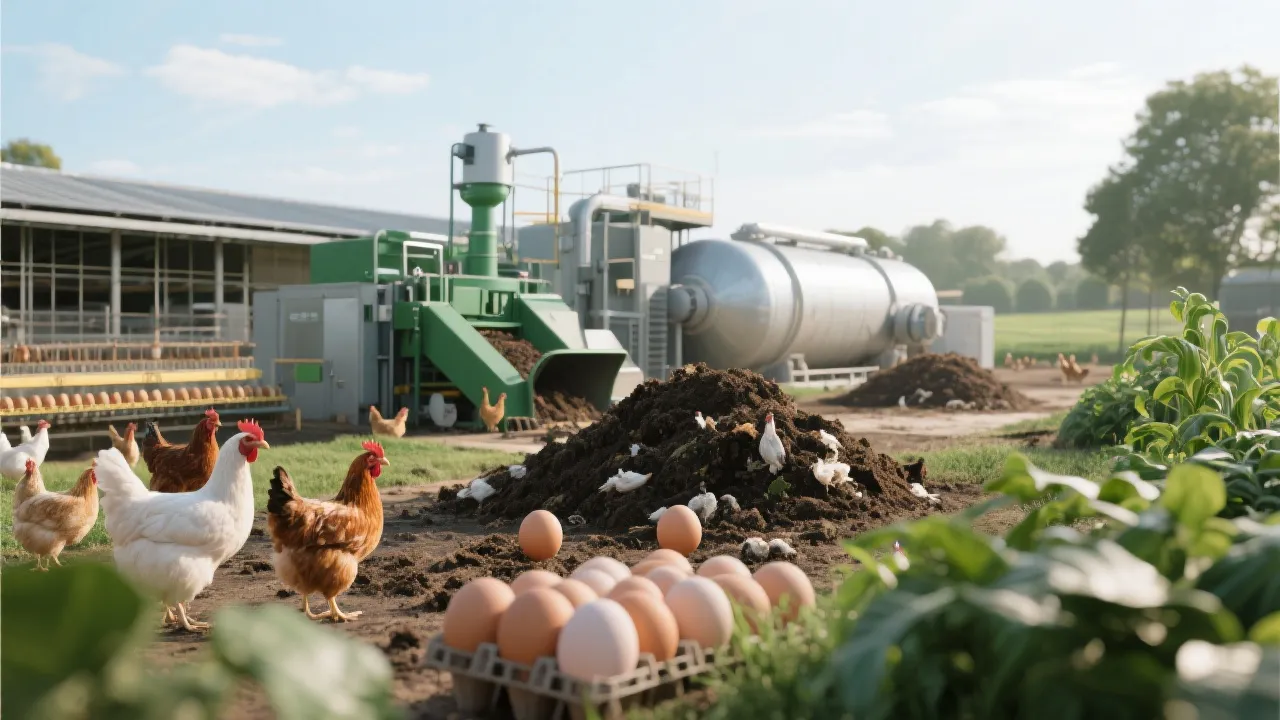
Under ISO 14001 guidelines, properly managed poultry waste can be transformed into valuable resources:
- Composting at 55–65°C produces high-quality organic fertilizer—ideal for crop farms or urban green spaces.
- Biogas generation via anaerobic digestion yields 1.5–2.5 kWh/kg of manure, providing renewable energy for farm operations.
A case study from a 20,000-bird farm in the Netherlands demonstrated a 30% reduction in operating costs within six months after implementing a full-system solution—including mechanical scrapers, digital monitoring, and composting infrastructure.
Explore our comprehensive white paper detailing how top-tier farms achieve 40% lower emissions and 25% higher productivity through intelligent manure management solutions.
Get Your Free White Paper Now




Hot Products

.jpg?x-oss-process=image/resize,m_fill,h_800,w_800/format,webp)


Popular articles




READY TO START?
Ready to Build Your Poultry Farm?
Tell us your land size, poultry type and farming capacity. LIVI will provide a complete farm solution for your project.