


Efficient and Eco-Friendly Cage Systems for Modern Layer Hen Farms: Enabling Automated Management
Innovative Eco-Friendly Caged Layer Systems Empowering Modern Egg Farming Automation
The global egg production industry is progressively shifting towards more efficient and sustainable farming practices. Modern caged layer systems, particularly those employing advanced H-type multi-tier structures, are revolutionizing egg-laying operations by optimizing space utilization and enabling automation in feeding, egg collection, and waste management. This article explores the engineering principles, material standards, and operational strategies of such systems with a focus on the latest offerings from Zhengzhou Livi Machinery — a leader in innovative poultry equipment.
Optimizing Cage Structure Design: The H-Type Advantage
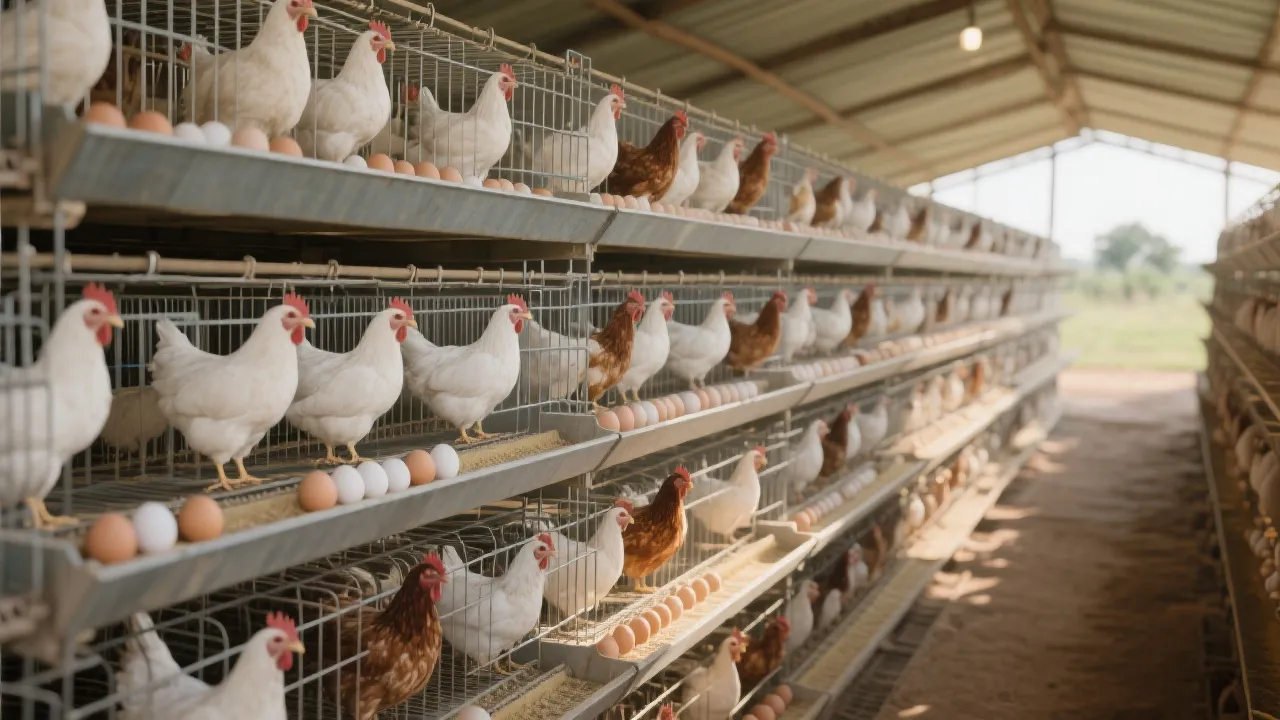
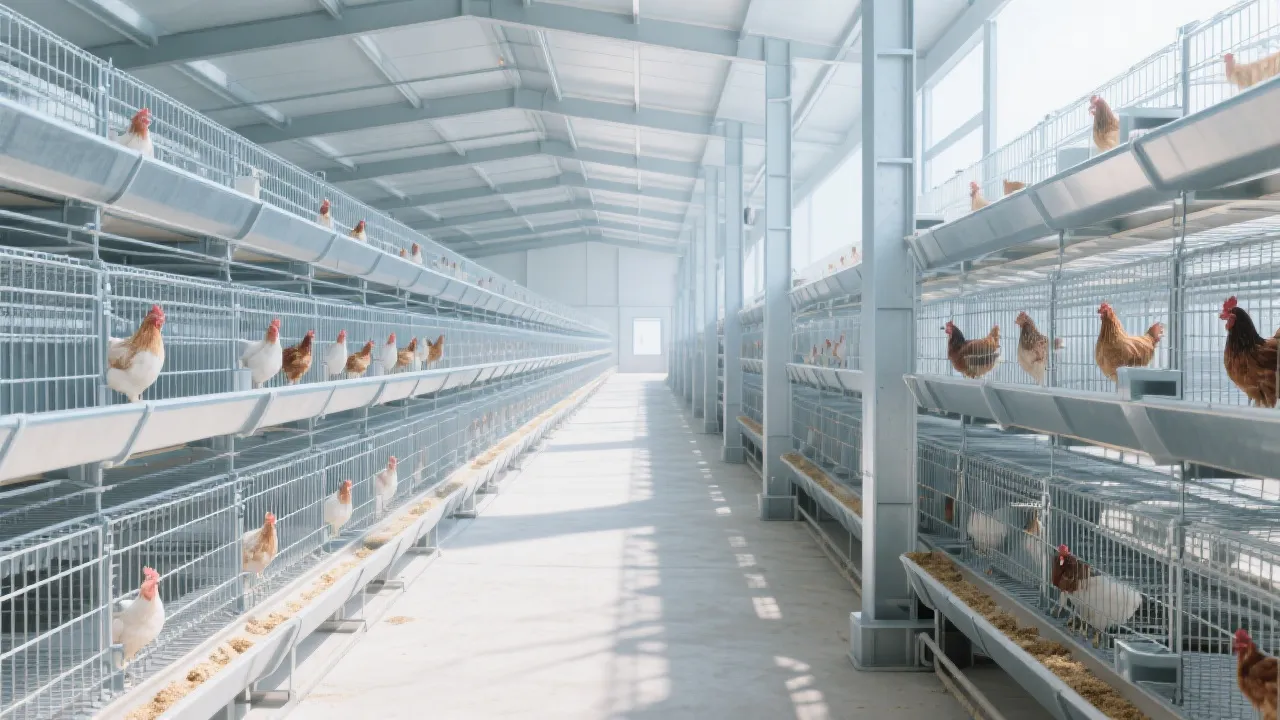
The H-type caged layer system features a double-tier, high-density cage configuration that maximizes the vertical footprint of poultry houses. By leveraging a scientifically engineered H-shape framework, farms can achieve up to 25-30% more egg-producing hens per square meter compared to traditional single-tier designs without compromising animal welfare.
Key design principles include:
- Optimized layering to facilitate air flow and minimize cross-contamination between tiers;
- Modular cage sections allowing scalable customization aligned with farm capacity (ranging from 5,000 to 50,000 layers);
- Ergonomic placement of feeding troughs and nest boxes enabling streamlined workflow.
Material Standards and Certifications Ensuring Durability & Safety
Durability directly correlates with the quality of materials and compliance with international standards such as ISO 9001 and CE certification. Zhengzhou Livi Machinery employs galvanized steel wire with anti-corrosion epoxy coatings and premium-grade polymers for mesh and troughs. These materials ensure:
| Material Component | Feature | Benefit |
|---|---|---|
| Galvanized Steel Wire | Anti-rust coating with epoxy finish | Extends cage lifespan up to 10+ years |
| High-Density Polyethylene (HDPE) Troughs | Food-grade, UV-resistant | Ensures feed safety and durability |
| Stainless Steel Egg Collection System | Smooth surface, easy-clean design | Reduces contamination and egg breakage |
Automation in Feeding, Egg Collection, and Cleaning
The integration of automated systems dramatically reduces labor dependency and operational errors. Core automated technologies embedded within the H-type system include:
- Feeding: Programmable conveyor belt feeders distributing precise daily rations;
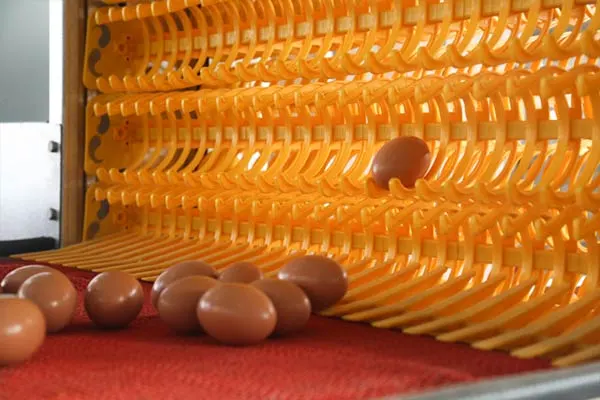
- Egg Collection: Mechanized conveyor belts transporting eggs to packaging stations with over 98% intact delivery rate;
- Cleaning: Automated manure belts and flushing systems maintaining hygiene and air quality.
Farms employing full automation witnessed a 30-40% reduction in daily labor costs and an improvement in production accuracy, contributing to higher total eggs harvested per flock cycle.
Ventilation and Temperature Control: Health and Productivity Boosters
Proper air circulation and stable ambient temperature are critical factors affecting hen health and egg-laying consistency. The system incorporates:
- Adjustable exhaust fans and inlet vents to maintain fresh air flow rates at 0.5-1.5 m/s depending on season;
- Integrated temperature sensors connected to IoT-enabled climate control units;
- Humidity regulation to keep internal barn humidity between 50-70%, limiting respiratory diseases.
Farms that implemented these ventilation controls observed a 10-15% increase in average daily egg production and reduced veterinary incidents by nearly 20%.
Scalability Case Studies: Tailoring Solutions for Diverse Farm Sizes
Zhengzhou Livi Machinery’s portfolio includes installations from small family farms (5,000 layers) to industrial complexes exceeding 50,000 layers. Matching equipment capacity to farm size includes:
| Farm Scale | Recommended Cage Capacity | Automation Level |
|---|---|---|
| Small (under 10,000 layers) | 5,000–8,000 H-type cages | Partial automation (feeding + egg collection) |
| Medium (10,000-30,000 layers) | 15,000–25,000 cages with modular extensions | Full automation with cleaning system included |
| Large (over 30,000 layers) | 40,000+ cages with integrated IoT monitoring | Fully automated plus remote management capability |
Maintenance Strategies to Prolong Equipment Lifecycle
Proactive maintenance is essential to ensure the longevity of the caged layer systems. Recommended practices include:
- Quarterly inspection of galvanized coatings and touch-up rust-prone areas;
- Monthly functional tests of conveyor belts and motors;
- Filter replacements and cleaning of ventilation systems every two months;
- Training staff on proper cleaning aesthetics and mechanical troubleshooting.
Such regimens extend equipment usability from the projected 10 years to potentially 12-15 years, optimizing ROI and reducing disruptive downtime.






Hot Products

.jpg?x-oss-process=image/resize,m_fill,h_800,w_800/format,webp)


Popular articles



READY TO START?
Ready to Build Your Poultry Farm?
Tell us your land size, poultry type and farming capacity. LIVI will provide a complete farm solution for your project.