


Comprehensive Guide to Installing Automated Layer Cage Systems: Empowering Export - Oriented Poultry Farms for Quick Equipment Commissioning
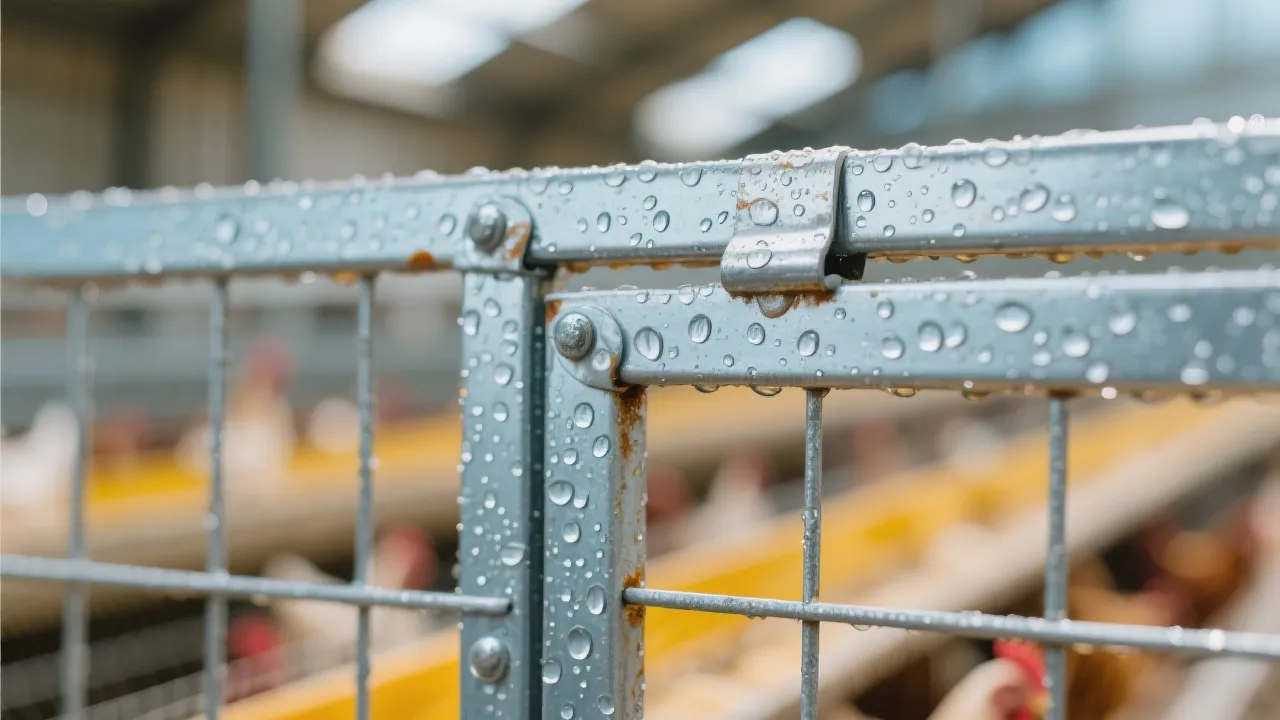
Comprehensive Guide to the Installation Process of Automated Layer Cage Systems: Empowering Export - Oriented Poultry Farms to Quickly Master Equipment Commissioning
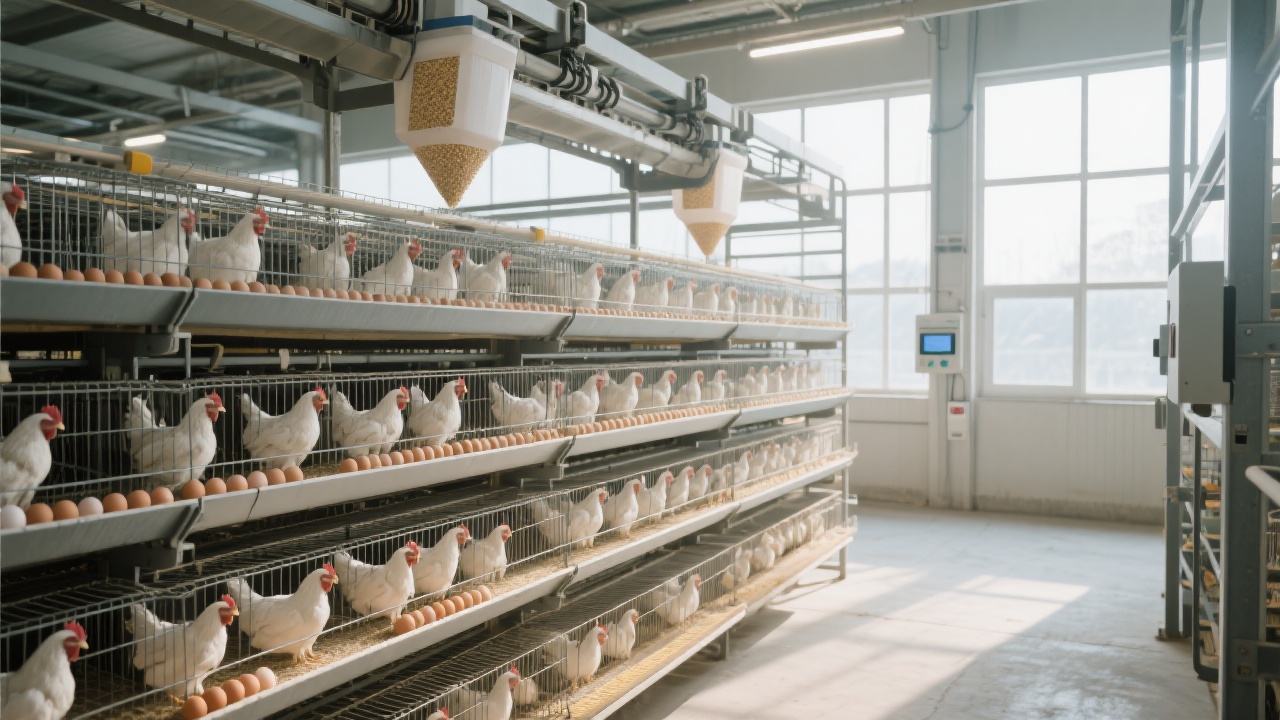
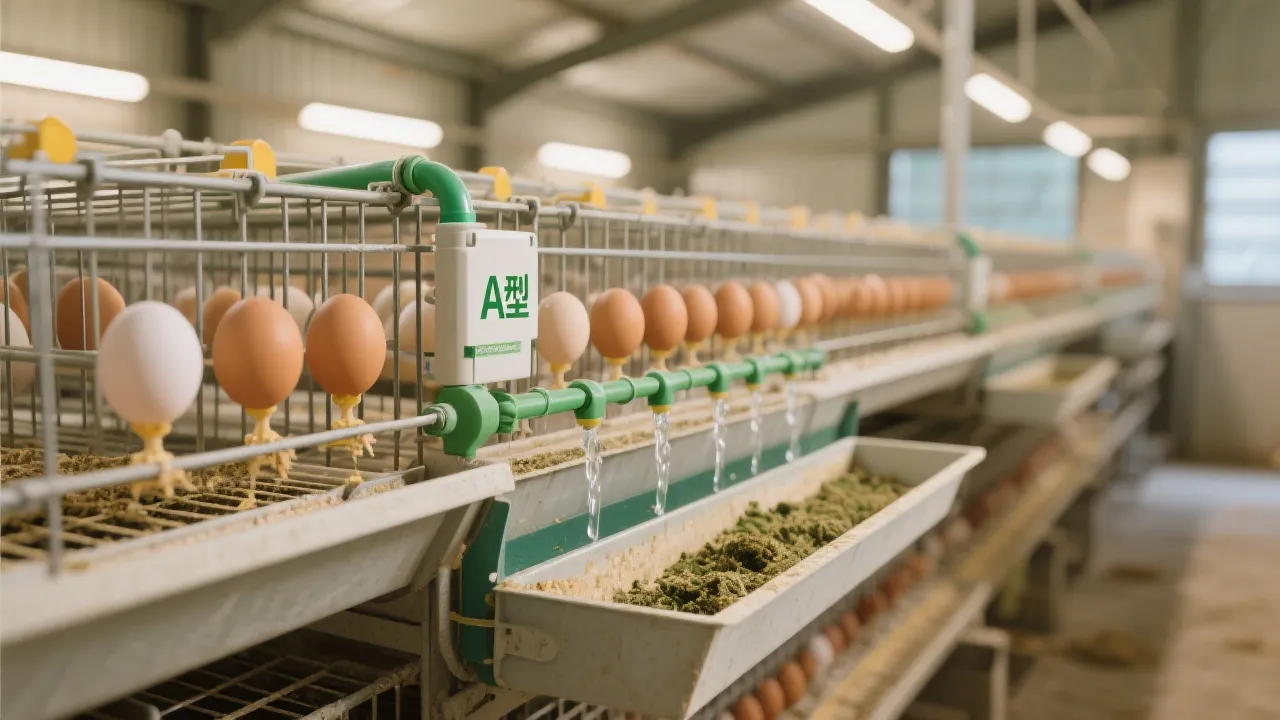
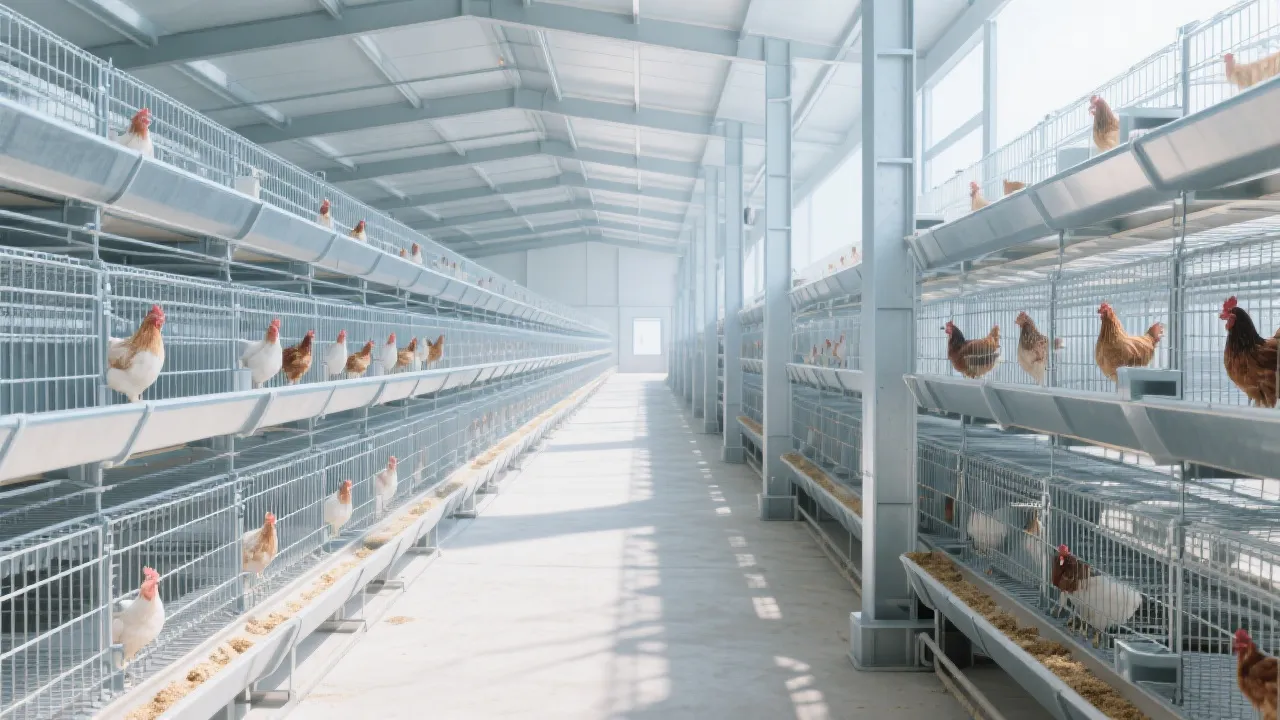
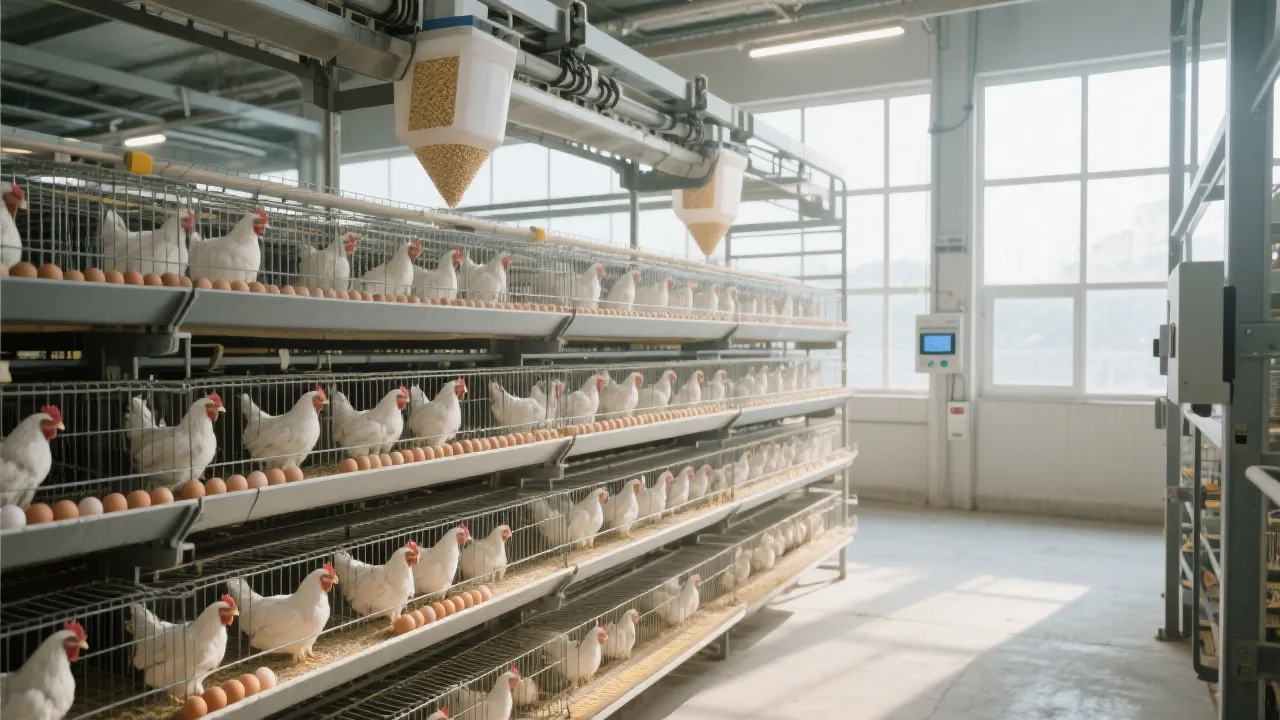
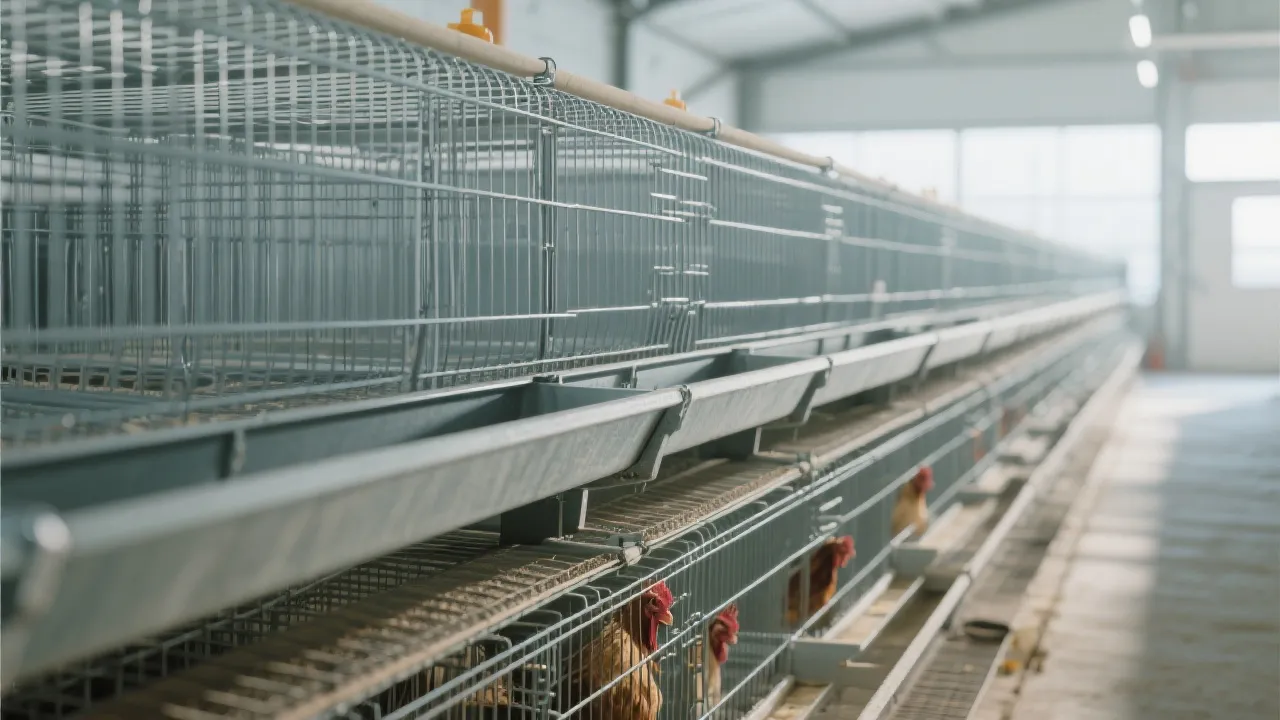
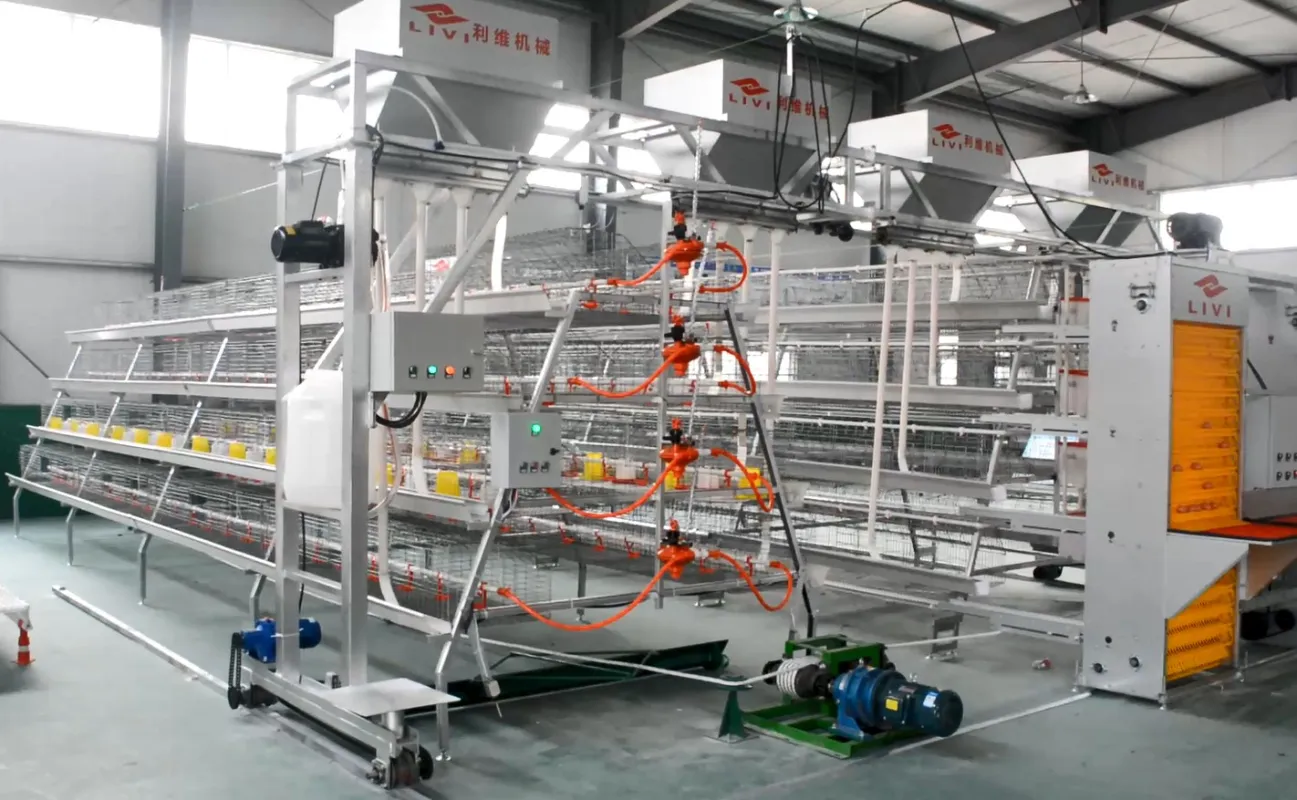
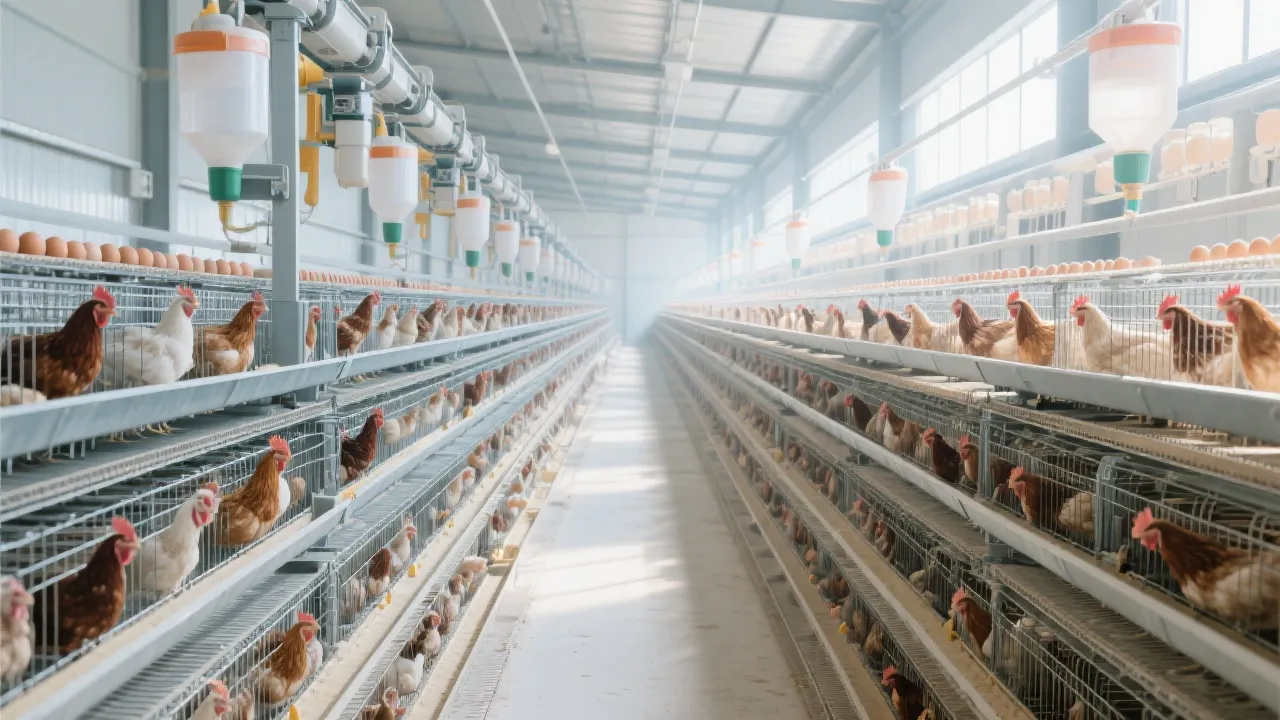
This article uses Zhengzhou Livi Machinery's high - efficiency H - type layer cages as a platform to comprehensively analyze the entire installation and commissioning process of the automated layer cage system. The following is a detailed exploration of this system, which is essential for layer farms aiming to enhance their efficiency and management level.
1. Key Steps in Installation and Commissioning
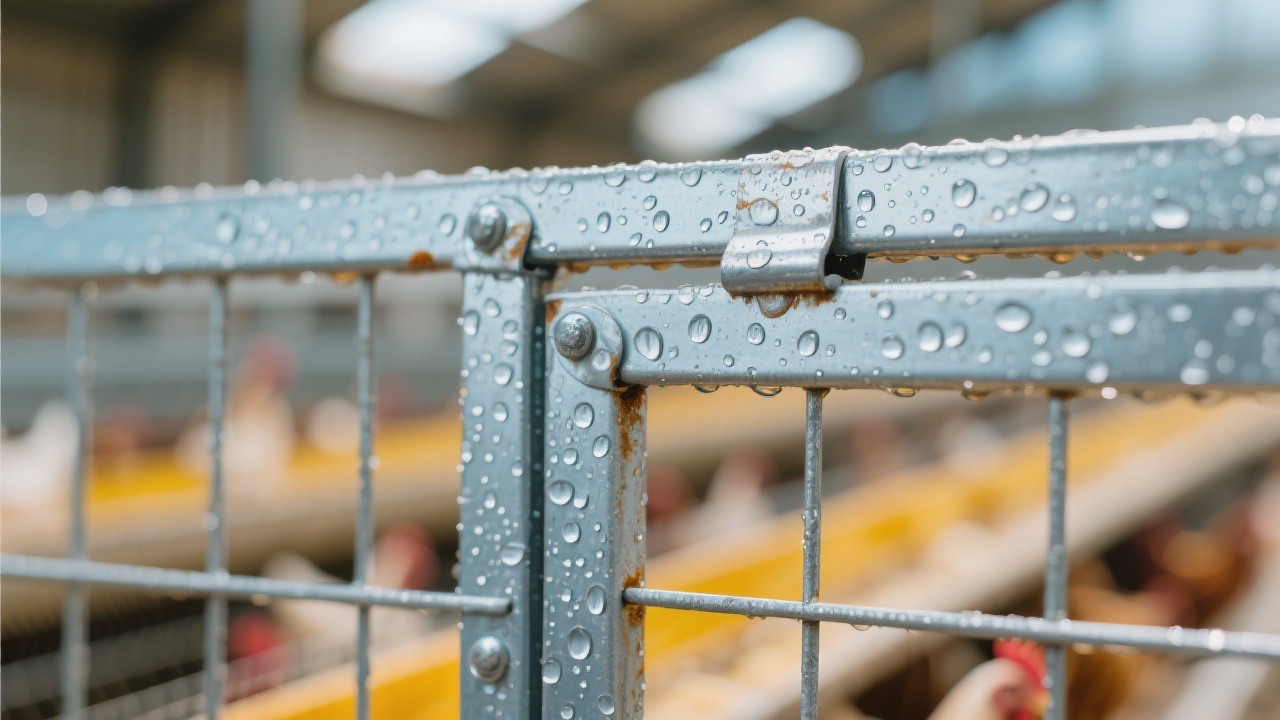
The installation and commissioning of the automated layer cage system involve several crucial steps. First is the track positioning. Precise track positioning ensures smooth movement of the feeding and manure - cleaning equipment. According to industry data, a misaligned track can lead to a 15% - 20% reduction in equipment operation efficiency. Next, motor debugging is essential. Motors need to be adjusted to the appropriate speed and torque to meet the specific requirements of different cage sizes and stocking densities. Sensor calibration also plays a vital role. Accurate sensors can monitor factors such as temperature, humidity, and feed levels, which can improve the survival rate of laying hens by about 8% - 12%. Finally, a system linkage test is necessary to ensure that all components of the system work in harmony.
2. Importance of Pre - project Planning
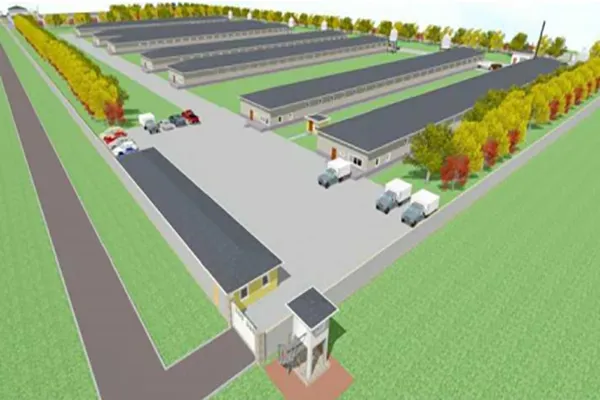
Pre - project planning is the foundation for the successful operation of the automated layer cage system. Power wiring should be carefully designed to ensure a stable power supply. Insufficient power can lead to equipment malfunctions and even damage. It is recommended that the power capacity should be 1.2 - 1.5 times the rated power of all equipment. In terms of space reservation, enough room should be left for equipment maintenance and future expansion. Additionally, training for operators is crucial. A well - trained operator can reduce equipment downtime by about 30% - 40% through proper operation and routine maintenance.
3. Configuration Adjustment and Upgrade Paths for Different - scale Farms
For small - scale farms, they can start with a semi - automated system, gradually upgrading to a fully automated one as the scale of the farm expands. Medium - and large - scale farms can opt for a fully automated system from the beginning. Zhengzhou Livi Machinery provides customized configuration adjustment and upgrade solutions to help farms smoothly transition from manual operation to semi - automated and fully automated modes, improving production efficiency and competitiveness.
4. Enhancing User Experience with Interactive Content
To help users better understand and master the installation and operation of the automated layer cage system, this guide includes interactive elements such as self - test checklists and quizzes. The self - test checklist can help users quickly identify potential problems during the installation process, while quizzes can test users' understanding of the key points of the system. These interactive elements can effectively improve user participation and learning efficiency.
5. Case Studies and Experience Sharing
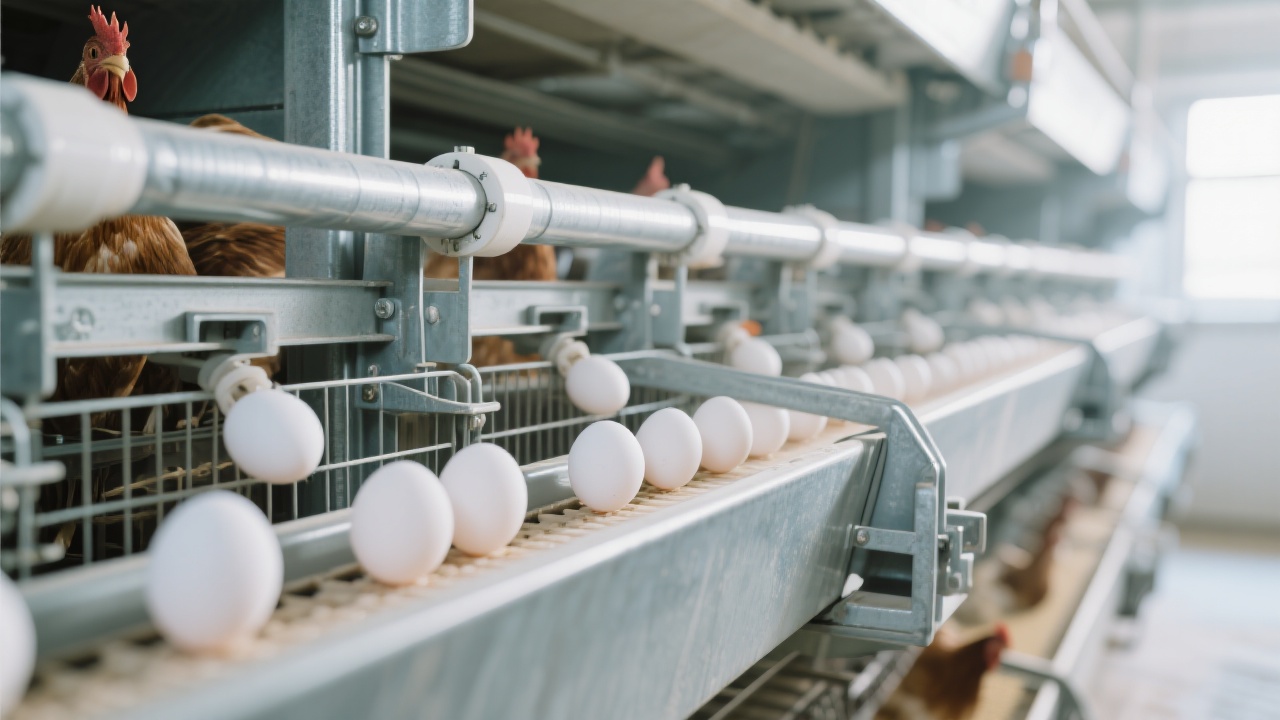
Real - world case studies and experience sharing can enhance the authority and trustworthiness of this guide. For example, a certain farm improved its egg production by 25% after installing and correctly operating Zhengzhou Livi Machinery's automated layer cage system. By learning from these successful cases, other farms can gain practical insights and avoid common mistakes.
Ready to transform your poultry farm with our advanced automated layer cage system? Discover more benefits and get professional support by clicking here.





Hot Products

.jpg?x-oss-process=image/resize,m_fill,h_800,w_800/format,webp)


Popular articles





READY TO START?
Ready to Build Your Poultry Farm?
Tell us your land size, poultry type and farming capacity. LIVI will provide a complete farm solution for your project.