


Comparing Automated Egg Collection Systems: Speed, Reliability, and Maintenance in Large-Scale Poultry Farms
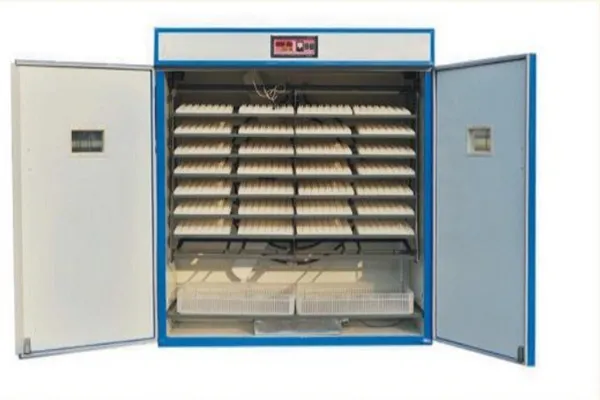
How Automation Is Transforming Egg Collection in Large-Scale Poultry Farms
In today’s competitive poultry industry, efficiency isn’t just a goal—it’s a necessity. With labor costs rising and egg quality standards tightening, many large-scale farms are turning to automated egg collection systems to reduce human dependency and boost consistency. But which system works best?
Roller vs. Conveyor: A Practical Comparison
Two dominant technologies dominate the market: roller-based and conveyor belt systems. While both aim to collect eggs smoothly from cages, their performance diverges significantly in real-world settings.
| Feature | Roller System | Conveyor Belt |
|---|---|---|
| Avg. Egg Collection Speed (eggs/hr) | 8,500–9,200 | 9,000–10,500 |
| Monthly Downtime (avg. hours) | 6–10 hrs | 3–5 hrs |
| Ease of Cleaning | Moderate (requires daily wiping) | High (self-cleaning design available) |
Based on data from over 40 farms across Brazil, India, and the Netherlands, conveyor belts outperform rollers in speed and reliability—especially when integrated with smart sensors that detect blockages or misalignment in real time.
“We saw a 22% drop in cracked eggs after switching to a conveyor system,” says Maria Silva, farm manager at Fazenda Verde, São Paulo. “The key was not just the tech—it was how we trained staff to maintain it.”
Installation Checklist: Don’t Skip This Step
Before installing any automation system, ensure your facility meets these criteria:
- ✅ Chicken house dimensions must allow for 1.5m clearance around the system
- ✅ Stable power supply (min. 3-phase 380V) with surge protection
- ✅ At least two trained operators per shift for routine checks
- ✅ Existing cage layout compatible with either roller or belt setup
- ✅ Local service support available within 24 hours for urgent repairs
These factors directly impact ROI—neglecting one can lead to downtime that outweighs initial savings.
Whether you're planning a full upgrade or testing a pilot unit, the decision should be grounded in data—not hype. For farms ready to move forward, we recommend starting with a site assessment by our engineering team.
Get Your Free On-Site Assessment from Livi Mechanical Engineers


Hot Products

.jpg?x-oss-process=image/resize,m_fill,h_800,w_800/format,webp)


Popular articles


READY TO START?
Ready to Build Your Poultry Farm?
Tell us your land size, poultry type and farming capacity. LIVI will provide a complete farm solution for your project.