


Common Challenges and Solutions for Implementing Intelligent Manure Removal Systems in Large-Scale Layer Farms (With Installation Layout Recommendations)

Addressing Key Challenges in Large-Scale Layer Chicken Farms with Intelligent Manure Cleaning Systems
As large-scale layer chicken farms expand, traditional manual manure removal becomes increasingly inefficient and costly. Rising labor expenses alongside difficulties in maintaining optimal barn hygiene directly impact flock health and egg productivity. To overcome these hurdles, farms are increasingly adopting automated egg collection and manure cleaning systems, transforming their operations towards intelligent management with measurable benefits.
The Core Pain Points in Conventional Large-Scale Layer Farming
Traditional layer chicken farms commonly face three critical challenges: escalating labor costs, high management complexity, and environmental degradation inside poultry houses. Manual manure cleaning demands a significant human workforce, often accounting for up to 40% of operational costs in regions with higher wage standards. Moreover, fluctuating labor availability threatens daily routines and timely cleaning, leading to welfare and hygiene issues that reduce egg yield by an estimated 5–8%.
Automated Egg Collection and Manure Cleaning Systems: Unlocking Value
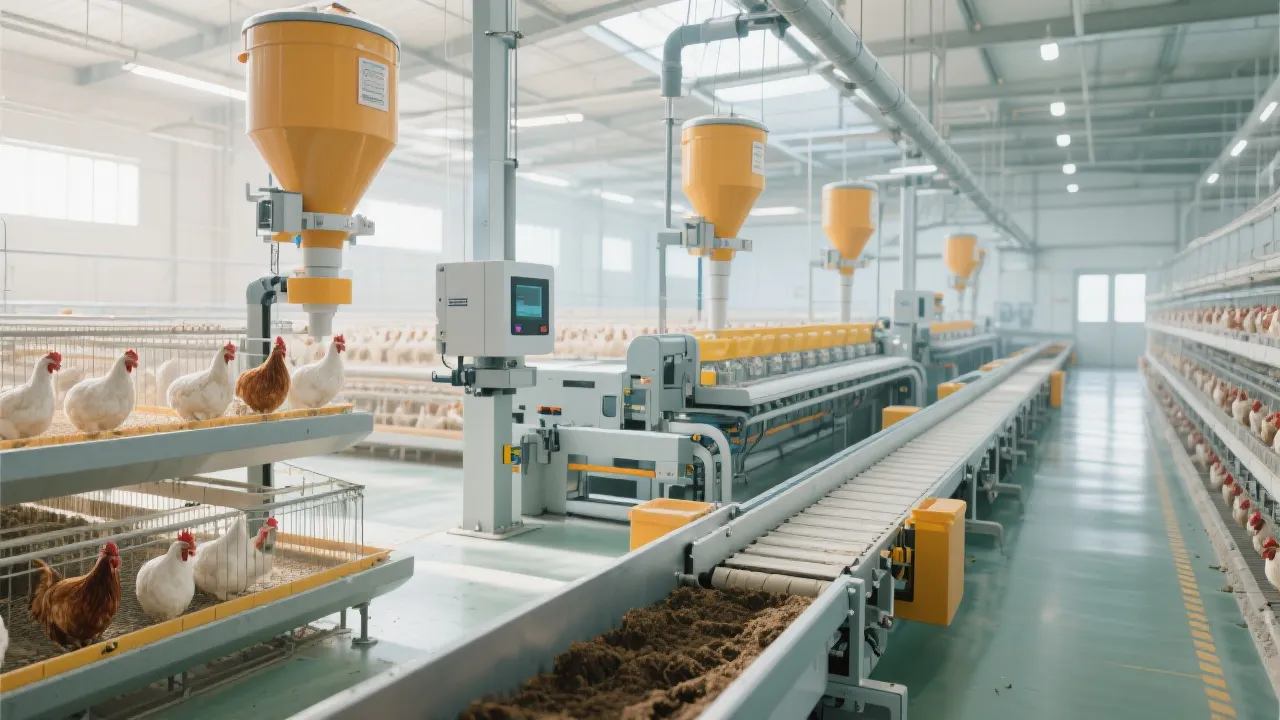
The introduction of automated systems notably reduces dependence on manual labor. Studies and practical deployments demonstrate that farms can cut labor input by at least 30%, yielding smoother operational flows and enhanced egg collection accuracy. Automated manure cleaning not only expedites waste removal but also significantly improves air quality within houses, lowering ammonia levels by approximately 20%, which correlates closely with healthier flocks and increased production stability.
- 30%+ reduction in labor costs related to cleaning and egg collection
- Improved barn environment leading to a 7% average increase in egg production
- More consistent cleaning cycles enhancing flock welfare
- Reduced risk of disease spread due to cleaner housing
Innovative H-Type layer cages: Enhancing Space and Operational Efficiency
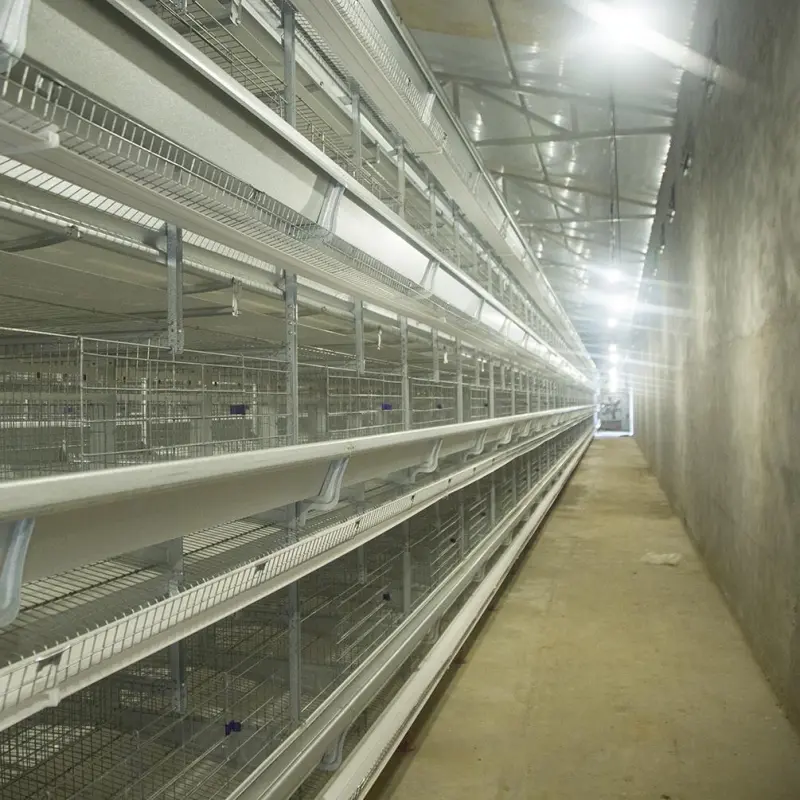
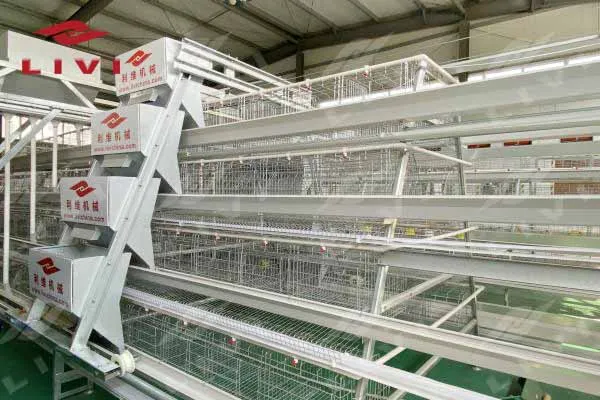
The H-type layer cage architecture is a significant leap forward in optimizing barn footprints. By redesigning cage layouts with an H-shaped profile, spatial utilization improves by more than 15% compared to traditional linear cages. This design facilitates easier access for workers and automated equipment, streamlining daily maintenance and reducing downtime. Furthermore, reduced overlapping traffic and better ventilation pathways contribute to maintaining stable internal climates favorable for layers.
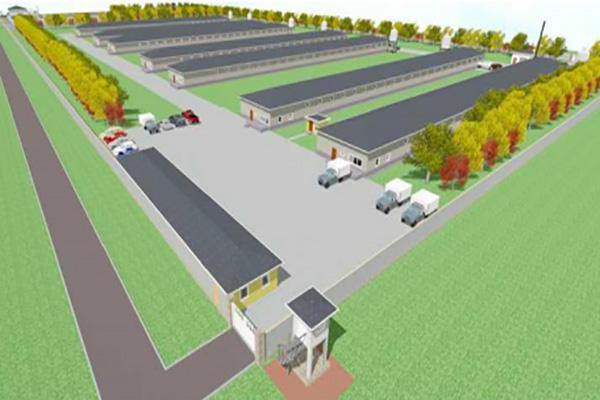
Installation and Layout Best Practices for Automated Manure Systems
Successful deployment of automatic cleaning systems depends heavily on thoughtful structural integration. Key factors include:
| Aspect | Recommendation |
|---|---|
| Ventilation | Arrange cages to promote cross-flow air movement, ensuring waste removal systems do not obstruct airflow paths. |
| Aisle and Passage Width | Maintain minimum 1.2-meter wide aisles for machinery and operator access, enhancing efficiency and safety. |
| Cleaning Flow | Design cleaning lines to follow the shortest possible path, with minimal turning points to reduce equipment wear and improve cycle times. |
| Maintenance Spaces | Allocate accessible zones near equipment for routine inspections and rapid repairs without disrupting chicken activity. |
Real-World Validation: Success Stories and Research Insights
Over 100 large-scale layer farms across China and Southeast Asia have integrated automated manure cleaning paired with H-type cage systems, reporting consistent labor savings and output gains. Independent third-party surveys indicate a collective reduction of 35% in daily manure-related labor hours, and an average increase of 6.5% in egg production within the first six months post-installation.
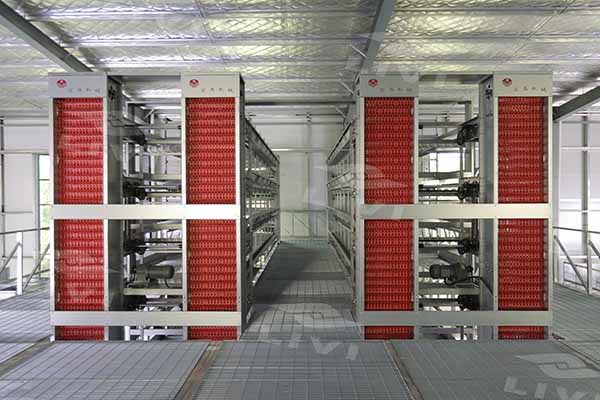
These initiatives not only reduce operational expenditures but also guide farms from extensive to precision management. By leveraging data from sensors embedded in automated systems, managers can predict maintenance needs and flock behaviors, enabling preemptive interventions and resource optimization.
Discover How to Optimize Your Layer Farm with Intelligent Automation





Popular articles




READY TO START?
Ready to Build Your Poultry Farm?
Tell us your land size, poultry type and farming capacity. LIVI will provide a complete farm solution for your project.