


Certified vs. Non-Certified Layer Hen Cages: Comprehensive Analysis of Lifespan, Maintenance Costs, and Worker Health Risks

Certification vs. Non-Certification in Layer Hen Cages: A Comprehensive Lifecycle Analysis
In the competitive arena of poultry equipment export and international farm operations, adherence to international certifications such as ISO9001, ISO14001, and CE is no longer optional. Certified layer hen cages present significant advantages over uncertified alternatives in terms of service lifespan, maintenance cost, and even employee health risks. This article delves deeply into how certification-driven technical standards ensure stable equipment performance, streamline customs clearance, and significantly reduce hidden operational costs for high-end farming clients.
How Certification Influences Material Durability and Operational Stability
The durability of layer hen cages is a critical factor impacting total cost of ownership. Certified cages typically require compliance with material standards including a minimum of 85 microns hot-dip galvanized coating thickness to resist corrosion over 8-10 years of outdoor exposure. In comparison, non-certified products often feature thinner coatings averaging around 50-60 microns, leading to premature rusting within 3-5 years.
Furthermore, certified devices must meet stringent electrical safety and noise emission standards, such as a noise cap at 65 dB to protect animal welfare and provide a safer environment for workers. Uncertified cages commonly exceed this threshold, contributing to increased stress-induced mortality in hens and raising occupational health concerns.
| Parameter | Certified Layer Hen Cages | Uncertified Layer Hen Cages |
|---|---|---|
| Hot-dip Galvanized Coating Thickness | ≥ 85 μm (meets ISO 1461 standards) | 50-60 μm (substandard protection) |
| Noise Level | ≤ 65 dB (per CE norms) | 70-75 dB (exceeding safe limits) |
| Average Operational Life | 8-10 years | 3-5 years |
| Maintenance Frequency | Annual inspections; low unplanned repairs | Quarterly, due to frequent corrosion & mechanical failures |
| Employee Health Risk | Minimal (meets ergonomic and hygienic standards) | Elevated (due to poor noise control and unsafe electrical components) |
Real-World Challenges of Uncertified Equipment in International Markets
Producers and exporters of uncertified layer hen cages often encounter frequent customs clearance delays in stringent markets such as the EU, North America, and Japan. Customs authorities require documentation proving compliance with CE and ISO certifications to mitigate biosecurity risks and environmental concerns. Lack of such certifications can result in shipments being held for weeks or even returned, severely impacting cash flow and client trust.
Additionally, uncertified products are prone to frequent breakdowns necessitating costly repairs, which directly escalate total cost of ownership and operational downtime. Case studies gathered from poultry farms demonstrate a maintenance cost uplift of 35%-50% over the cage’s lifecycle when using non-certified equipment.
Authority Insight: The Food and Agriculture Organization (FAO) highlights that “implementing certified cage systems significantly enhances biosecurity and sustainability in poultry farming, while reducing workforce-related health risks.”
Decoding Core Certification Requirements and Implementation Tips
Understanding the fundamental certification criteria can assist businesses in making informed procurement decisions. For example:
- ISO9001: Mandates quality management systems focused on continuous improvement — ensuring uniform build quality and traceability of batch materials.
- ISO14001: Requires strict environmental management protocols — often reflected in the use of eco-friendly materials and clean manufacturing processes.
- CE Marking: Enforces compliance with EU safety, health, and environmental protection standards especially around noise and electrical systems.
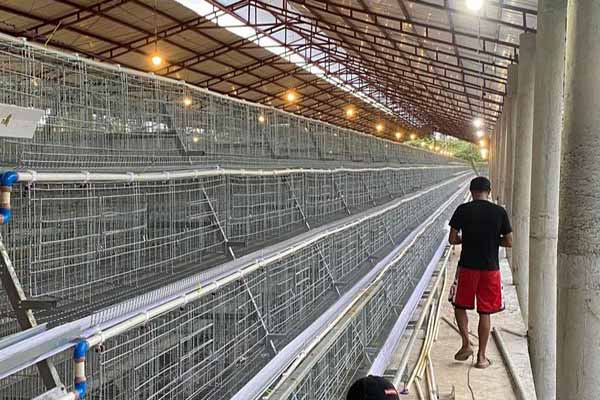
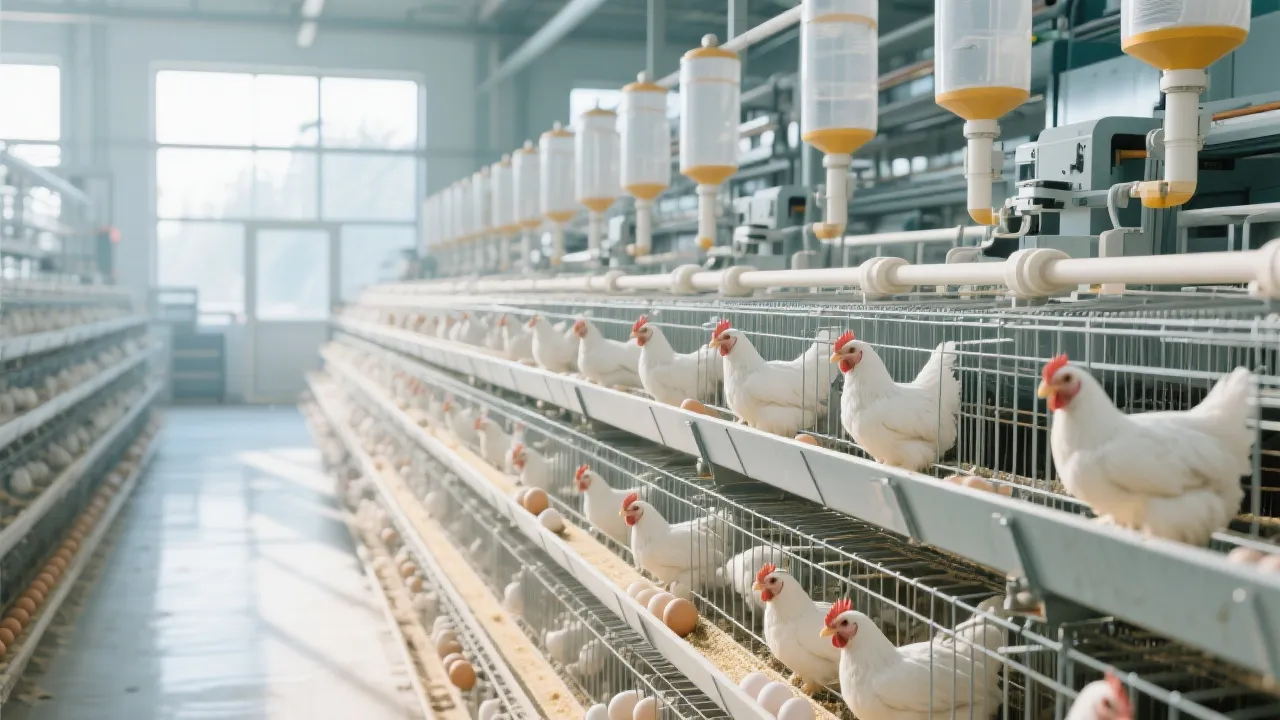
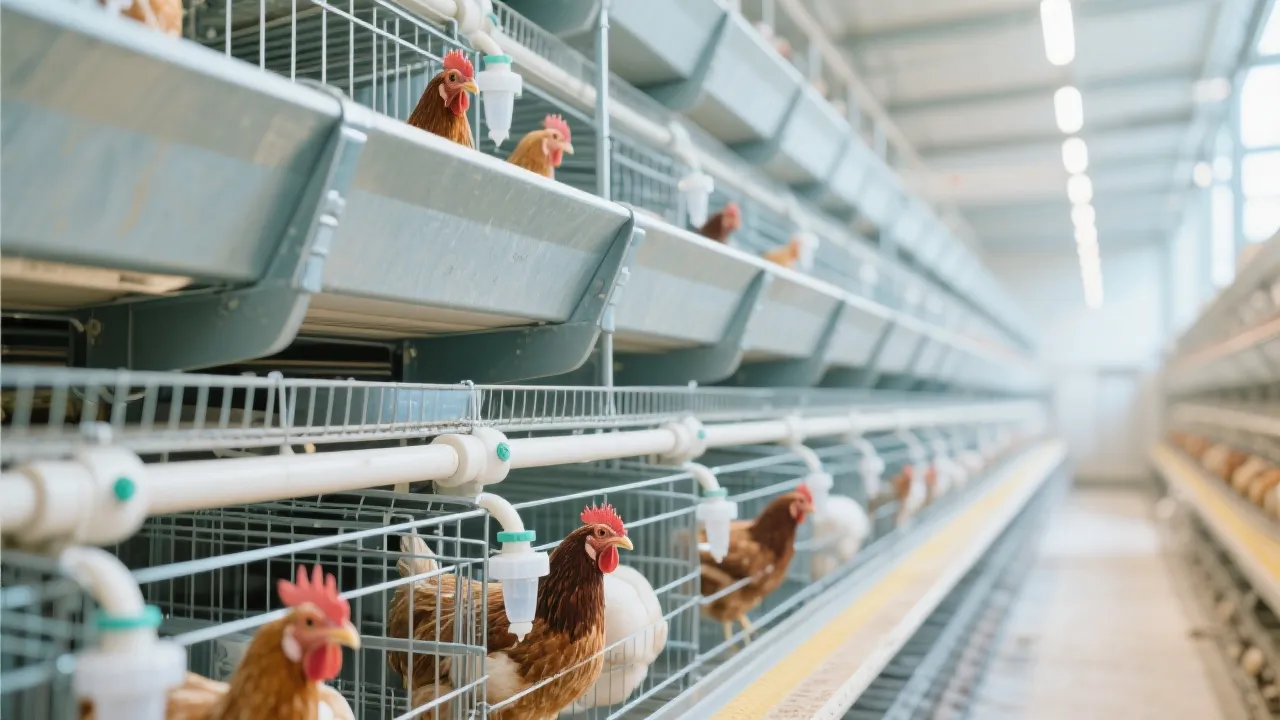
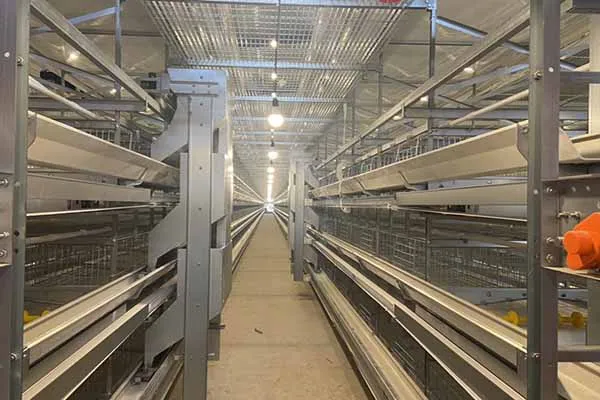
For example, the H-type layer hen cage demonstrates practical execution of these standards by integrating heat-galvanized steel with a minimum coating thickness of 85 μm, promoting noise mitigation through precision-engineered ventilation, and electrical wiring fully insulated and certified to national standards.

Incorporating these standards not only safeguards the equipment’s integrity but also ensures seamless international logistics, safeguarding against the cost-drains of inspection failures and product recalls.
Quantifying the Advantages: Certified Equipment as a Competitive Differentiator
Investing in certified layer hen cages is an investment in operational efficiency and market trust. Typical farms report a reduction in maintenance downtime by up to 40%, and improved employee health — reduced noise exposure leads to a 25%-30% drop in reported work-related complaints.

For export-focused manufacturers, the assurance provided by internationally recognized certification enables quicker market entry and creates opportunities to upscale product offerings in premium global segments.




Hot Products

.jpg?x-oss-process=image/resize,m_fill,h_800,w_800/format,webp)


Popular articles







READY TO START?
Ready to Build Your Poultry Farm?
Tell us your land size, poultry type and farming capacity. LIVI will provide a complete farm solution for your project.