


CE Safety Certification Requirements for Poultry Equipment | Electrical & Structural Protection Standards

Why CE Certification Is Non-Negotiable for Exporting Poultry Equipment to the EU
For poultry farm operators and procurement managers looking to expand into European markets, CE certification isn’t just a checkbox—it’s the technical foundation that ensures electrical safety, mechanical integrity, and long-term operational reliability of egg-laying equipment such as H-type chicken cages.
The Legal and Technical Reality Behind CE Compliance
Under EU Machinery Directive 2006/42/EC, all machinery sold in the EEA must undergo rigorous testing for electrical insulation (minimum Class II protection), mechanical strength (impact resistance ≥ 5J), and noise emission levels (< 75 dB(A)). According to the FAO's 2022 Report on Livestock Infrastructure Safety, over 30% of imported poultry systems fail initial customs inspections due to missing or invalid CE documentation—leading to costly delays and reputational damage.
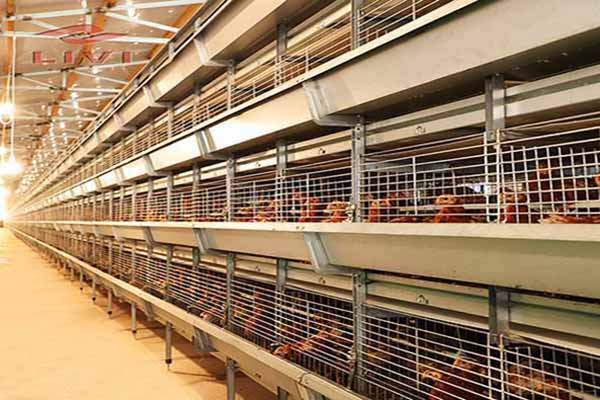
Key Testing Criteria That Define Quality vs. Risk
Let’s break down what truly separates compliant from non-compliant egg production equipment:
- Electrical Safety: Insulation resistance must exceed 1 MΩ at 500V DC; thermal protection devices must activate within 2 seconds during overload tests.
- Mechanical Protection: Cage frames must withstand 500kg static load without deformation—verified via ISO 12100 compliance testing.
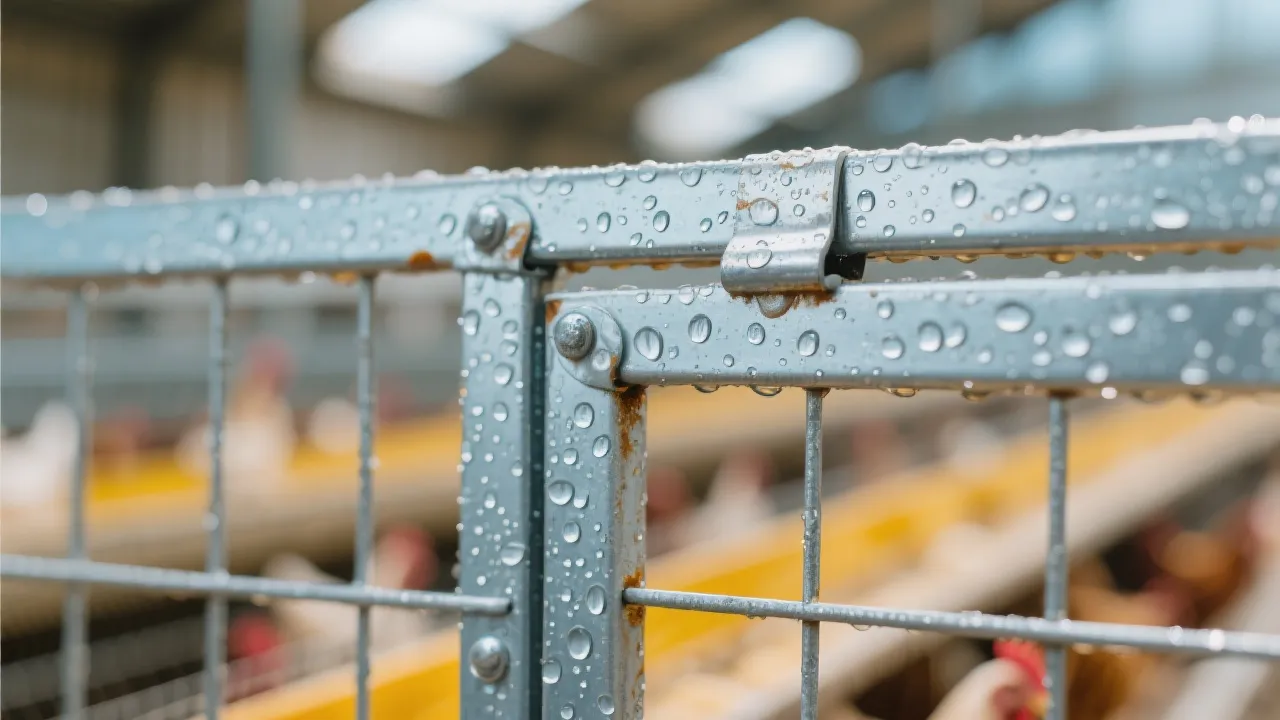
- Material Durability: Hot-dip galvanized steel components require a minimum zinc coating thickness of 85μm (per EN ISO 1461) to resist corrosion in humid barn environments.
In practice, this means a certified H-type cage from Zhengzhou Livi Machinery meets these standards through design-for-service principles—such as sealed junction boxes, anti-slip flooring, and modular assembly that reduces field maintenance needs by up to 40%, according to internal performance logs from farms in the Netherlands and Germany.
The Hidden Costs of Skipping CE Certification
Without CE marking, even seemingly low-cost alternatives carry hidden risks:
| Parameter | Certified Equipment | Non-Certified Equipment |
|---|---|---|
| Avg. Annual Failure Rate | ≤ 2% | ≥ 15% |
| Maintenance Cost (per unit/year) | $85–$120 | $300+ |
| Legal Exposure Risk | Low (with full conformity declaration) | High (potential fines up to €100k per violation) |
As shown above, choosing through CE-certified equipment is not merely about passing inspection—it’s about minimizing downtime, reducing total ownership costs, and avoiding legal liability in one of the world’s most regulated agricultural markets.
Ready to Evaluate Your Next Egg Production System?
Download our free International Egg Farm Equipment Compliance Checklist—a practical tool used by over 200 farms across Europe and North Africa to pre-screen suppliers before purchase.
Get the Free Compliance Checklist PDF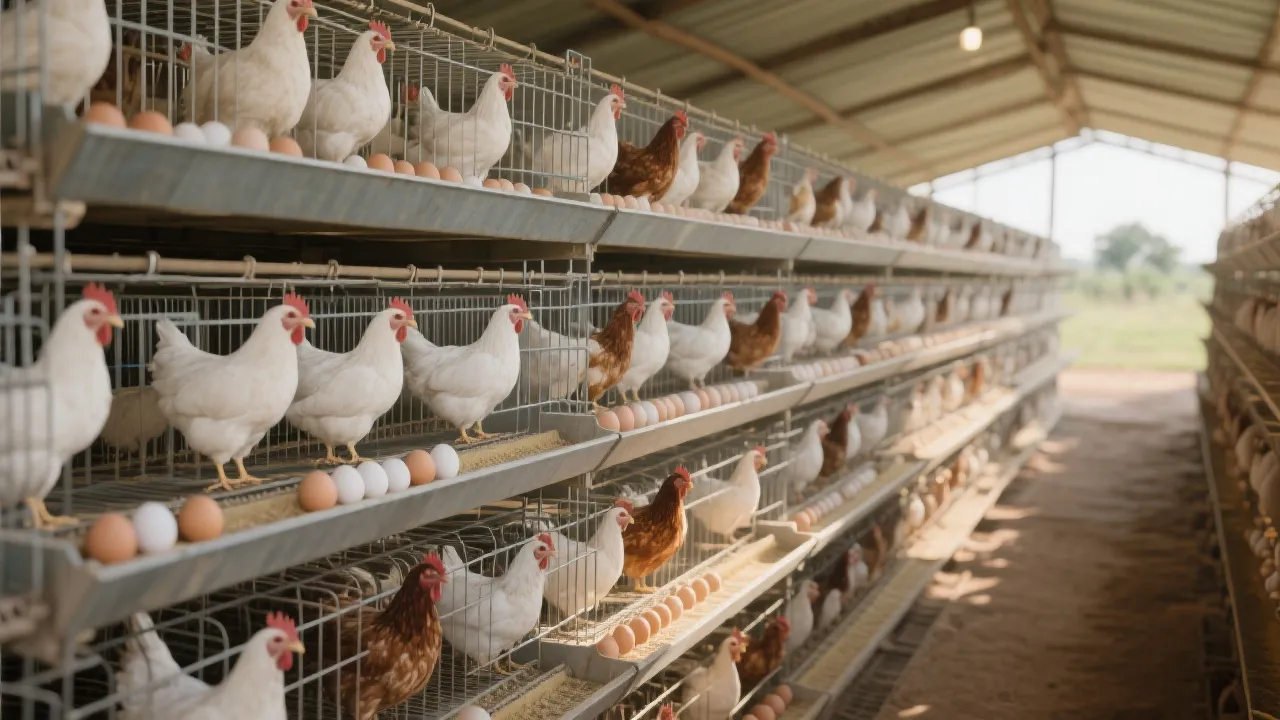




Hot Products

.jpg?x-oss-process=image/resize,m_fill,h_800,w_800/format,webp)


Popular articles





READY TO START?
Ready to Build Your Poultry Farm?
Tell us your land size, poultry type and farming capacity. LIVI will provide a complete farm solution for your project.