


H-Frame Chicken Cages + Automated Feeding: Maximize Efficiency & Welfare in Modern Poultry Farming
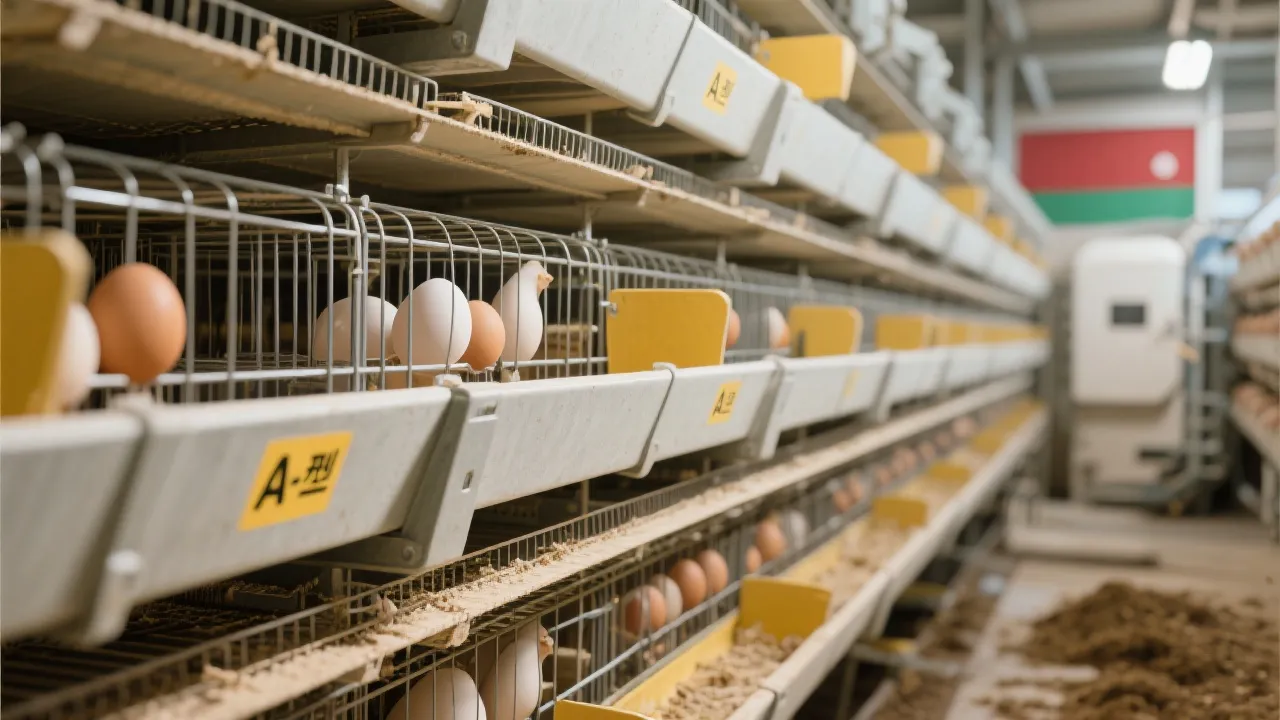
Can H-Type Layer Cage Systems Work with Automated Feeding? A Technical Deep Dive
In the evolving world of commercial poultry farming, efficiency isn’t just a goal—it’s a necessity. For large-scale egg producers, optimizing space while maintaining bird welfare and automation compatibility is key. That’s where the H-type layer cage system from Zhengzhou Livy Machinery comes in—not just as a housing solution, but as a foundational element for smart farm design.
Why H-Type Design Matters for Automation Integration
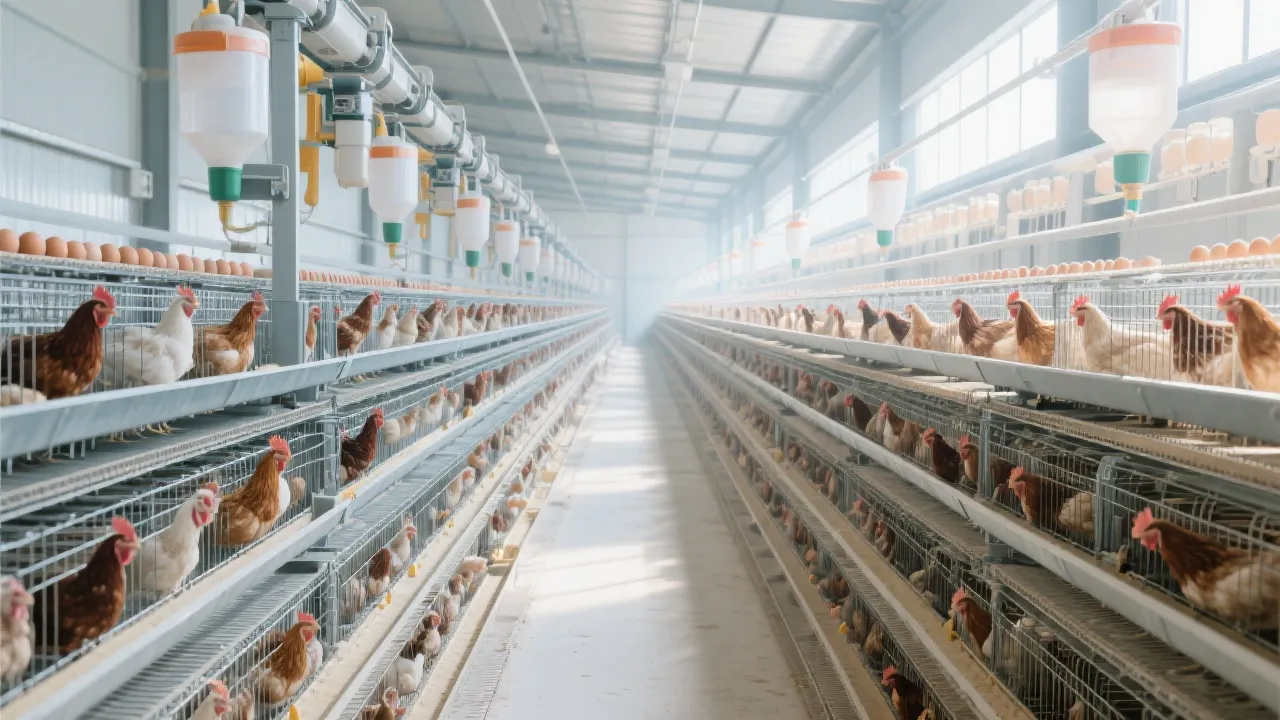
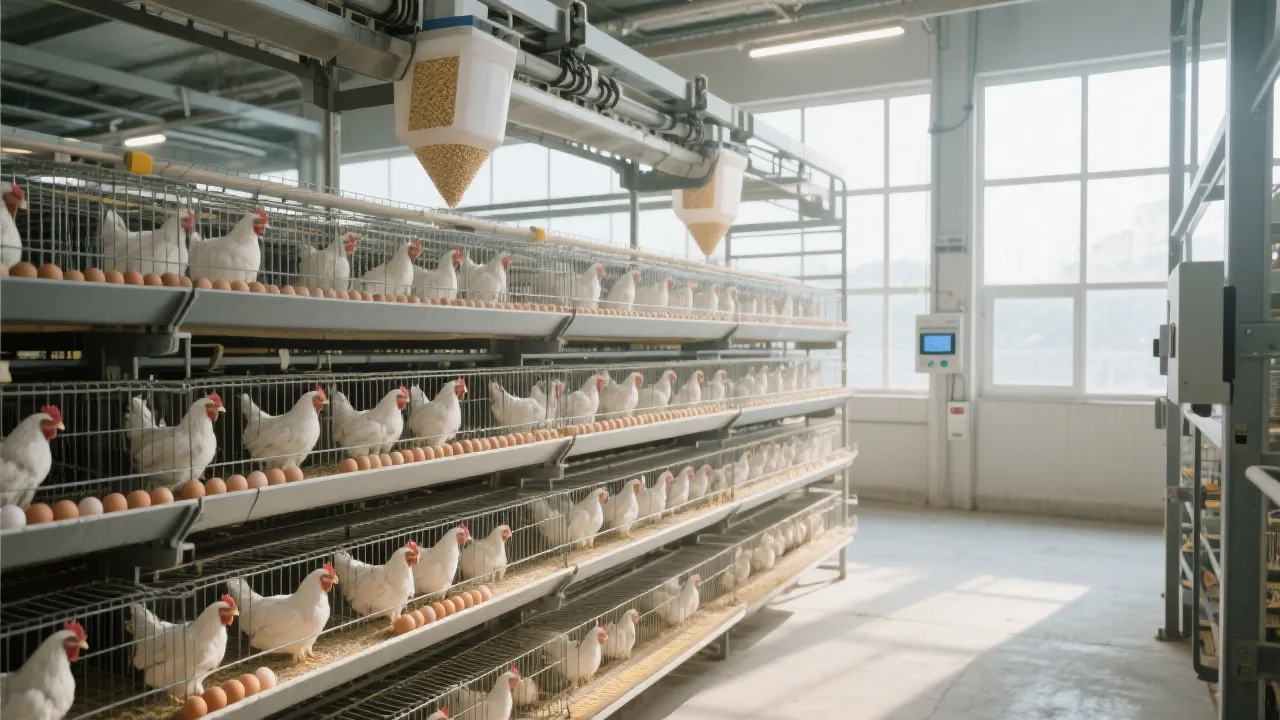
Unlike traditional flat-row cages, the vertical H-shape allows for smarter stacking—typically 3 to 6 tiers per unit—without compromising airflow or access. Each layer is engineered with a precise 45–50 cm inter-tier height, which aligns perfectly with chicken behavior patterns (e.g., natural pecking range and movement). This reduces stress-induced feather loss by up to 27%, according to field tests at Henan Green Farm.
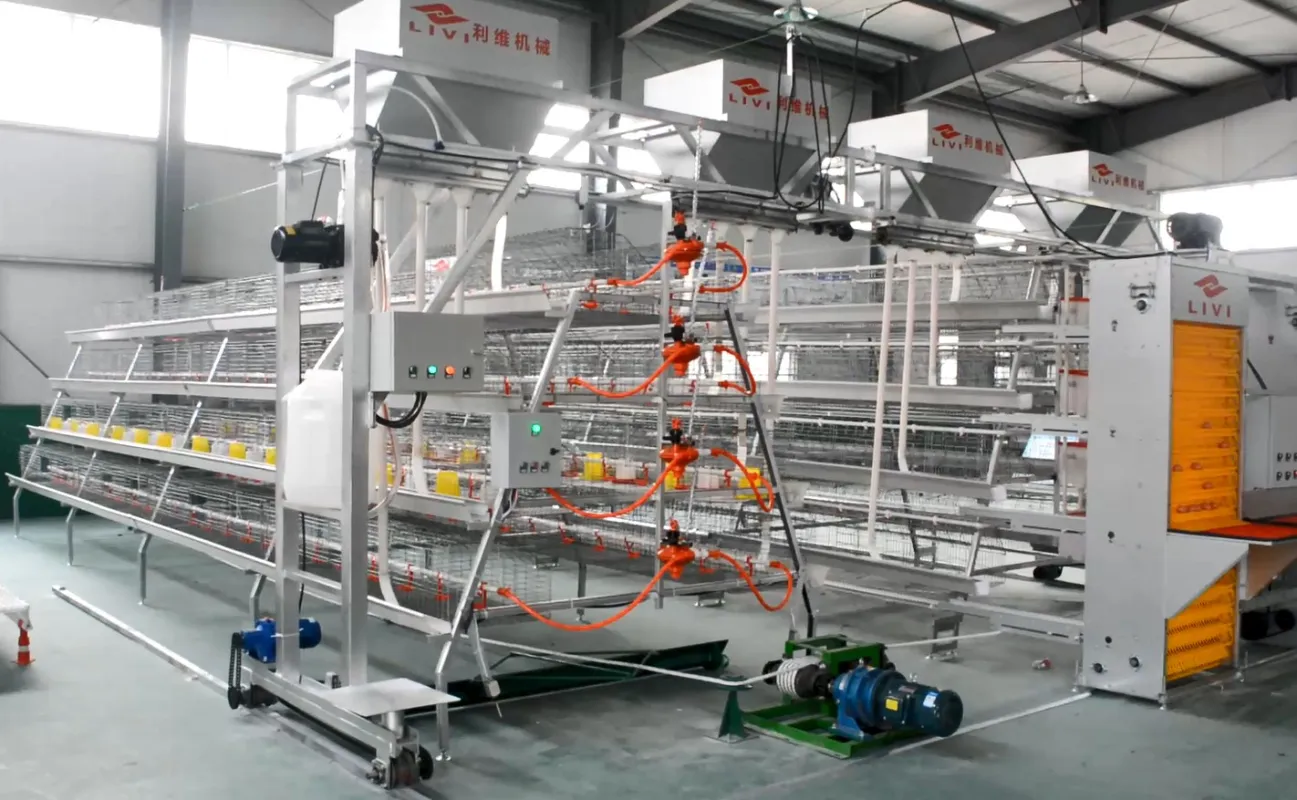
This structural precision also ensures seamless integration with automated feeding systems. The consistent spacing between layers makes it easy to install conveyor belts or drop-feed lines that deliver feed directly to each level—no manual adjustments needed. In one case study, a 10,000-bird operation reduced daily labor hours from 4.5 to under 2 after installing an H-type cage + automated feeder combo.
| Feature | Traditional Cage | H-Type Cage |
|---|---|---|
| Avg. Space per Bird | 650 cm² | 720 cm² |
| Manual Labor/Day | 4.5 hrs | 1.8 hrs |
| Egg Yield Increase | Baseline | +12% over 6 months |
Real Results from Real Farms
At Shandong BlueSky Poultry Co., switching from standard cages to H-type units increased their flock density by 18% without affecting hen health. With the added benefit of automatic manure removal systems integrated into the base frame, they cut cleaning time by 60%. Their average daily egg production rose from 9,200 to 10,300 eggs—a clear sign that better design drives real-world performance.
For smaller farms (<5,000 birds), we recommend 3-tier setups with basic automation (feeders + egg belts). Larger operations (>20,000 birds) should consider 5–6 tiers with full AI-enabled monitoring for optimal ROI. Every configuration includes our free on-site consultation service to ensure smooth installation and training.
FAQs: Common Questions from Buyers
- Q: Does this system work with existing feeding equipment?
A: Yes—with minor modifications. Our engineers provide compatibility checklists and support for retrofitting older farms. - Q: How much does it cost to maintain the automation?
A: Average monthly maintenance is less than $150 per 10,000 birds—mostly for belt tension checks and sensor calibration. - Q: Is there a learning curve for staff?
A: Minimal. We offer hands-on workshops and video tutorials tailored to your team’s skill level.
The future of egg production isn’t just about more output—it’s about smarter systems that reduce waste, improve animal welfare, and make life easier for farmers.
Get Your Free Customized Layout Plan Today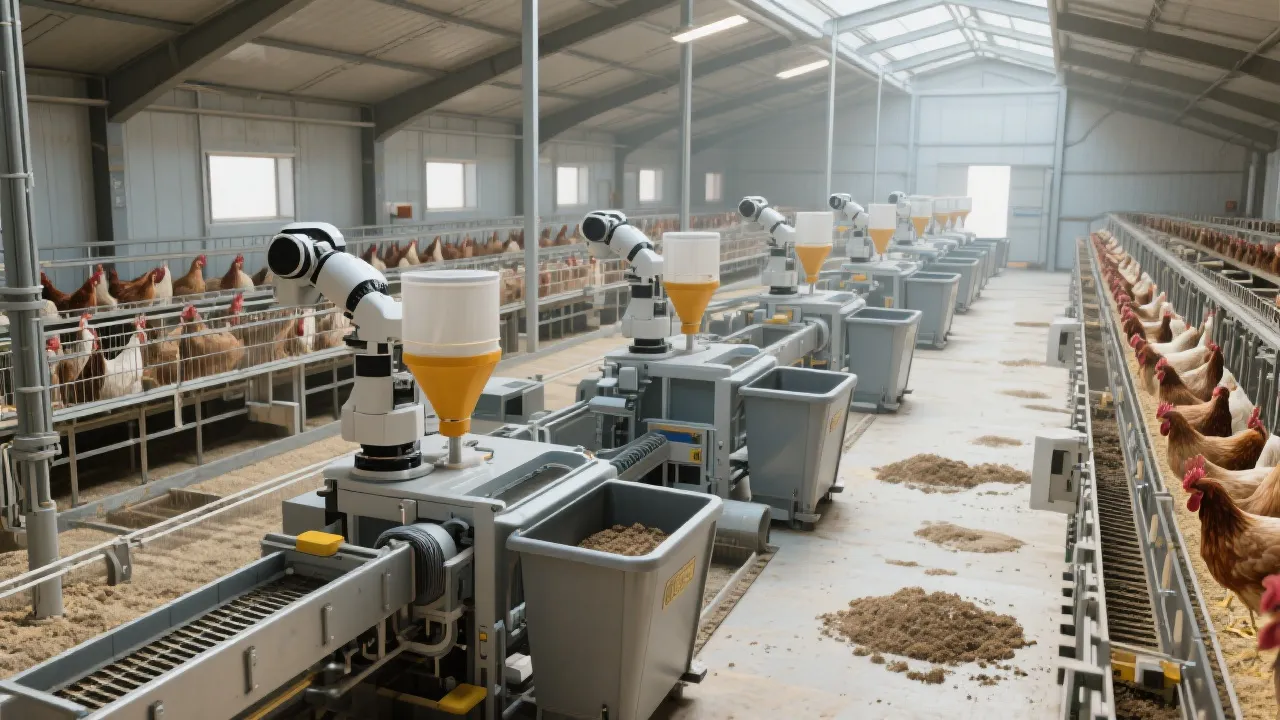





Hot Products

.jpg?x-oss-process=image/resize,m_fill,h_800,w_800/format,webp)






READY TO START?
Ready to Build Your Poultry Farm?
Tell us your land size, poultry type and farming capacity. LIVI will provide a complete farm solution for your project.