


Automatic Egg Collection System Operation Guide: Boosting Poultry Farm Efficiency
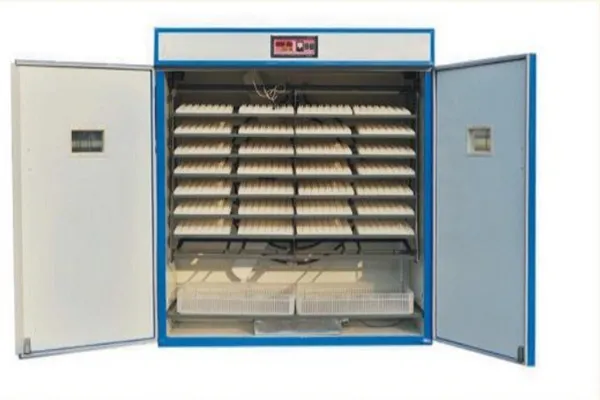
How an Automatic Egg Collection System Transforms Poultry Farm Efficiency
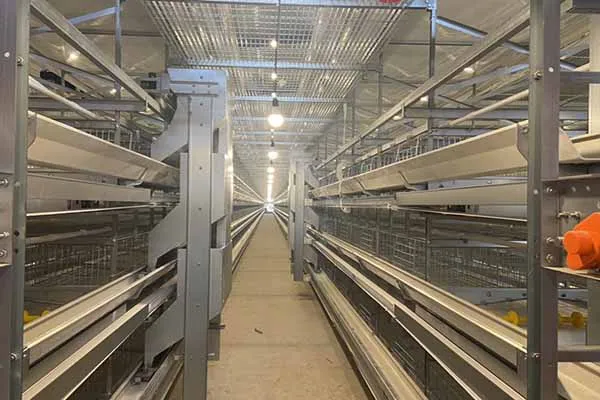
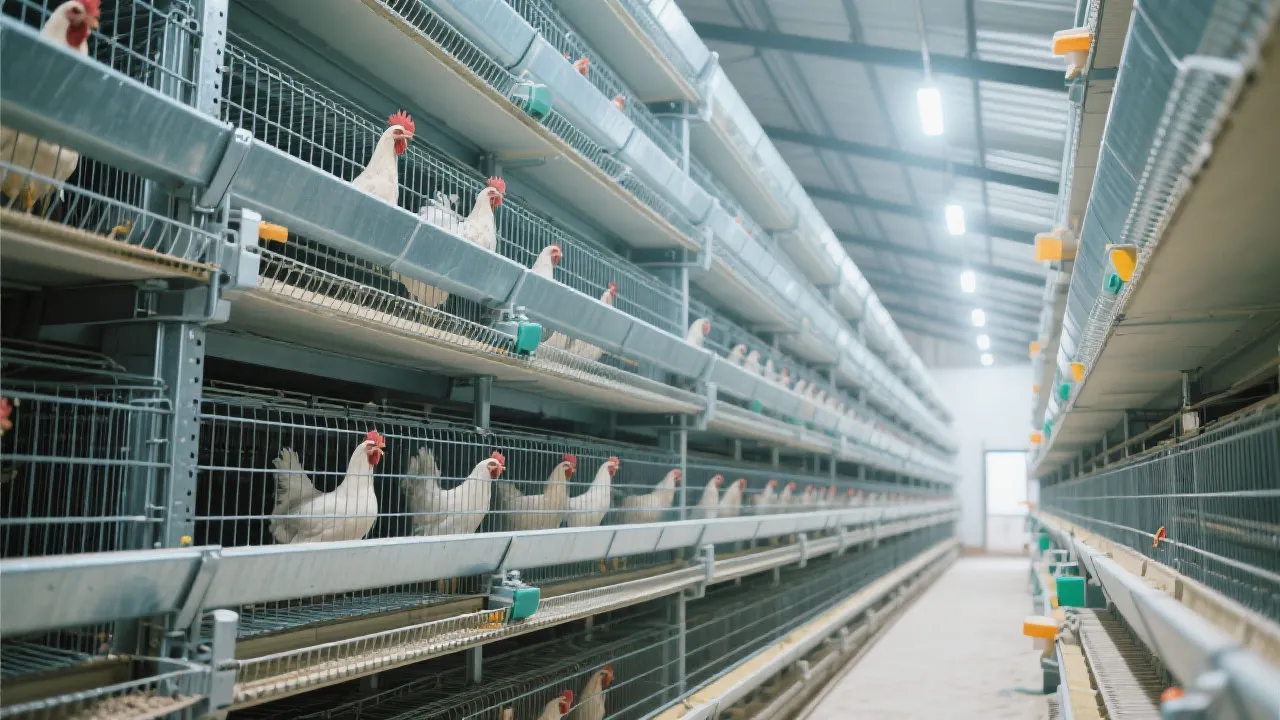
For poultry farmers worldwide, manual egg collection remains a labor-intensive, error-prone process—often leading to up to 12% egg breakage and 3–5 hours of daily labor per 1,000 hens. The solution? A fully automated egg collection system like the one integrated into Zhengzhou Livi Machinery’s H-type layer cage setup.
Why Automation Isn’t Just a Trend—It’s a Necessity
Modern egg production demands precision, hygiene, and scalability. Manual picking introduces risks: inconsistent timing, human fatigue, and contamination from handling. With automation, farms see immediate improvements:
- Up to 40% reduction in labor costs (based on data from USDA pilot projects)
- 98% egg integrity rate due to gentle roller conveyors and non-contact sensors
- Improved biosecurity—no direct contact between eggs and workers
Inside the System: How It Works Without Compromising Chicken Welfare
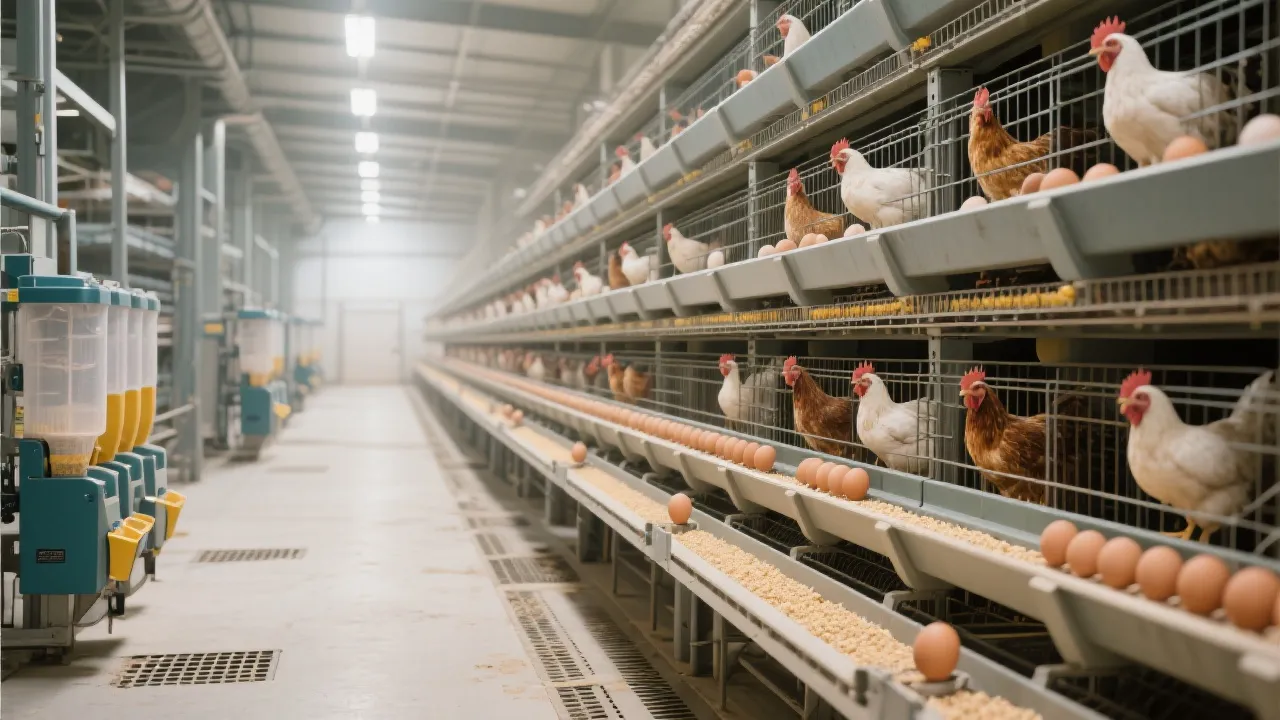
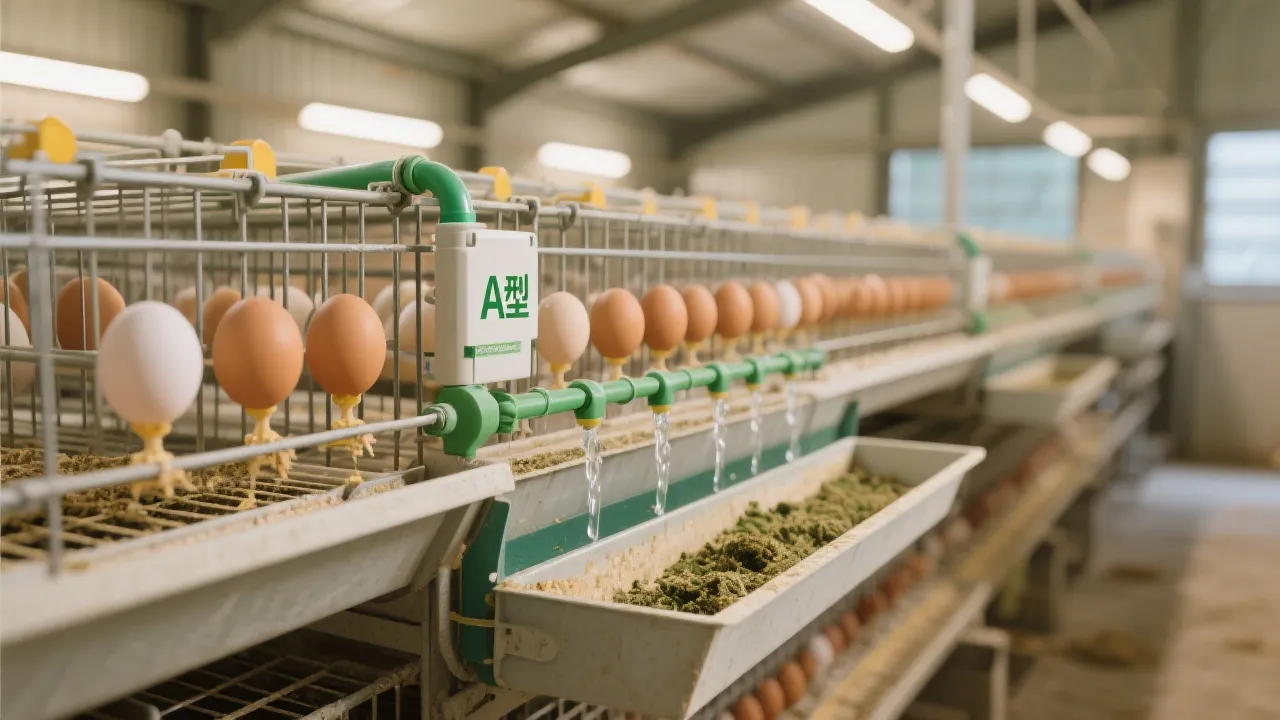
The core components work together seamlessly:
| Component | Function | Impact |
|---|---|---|
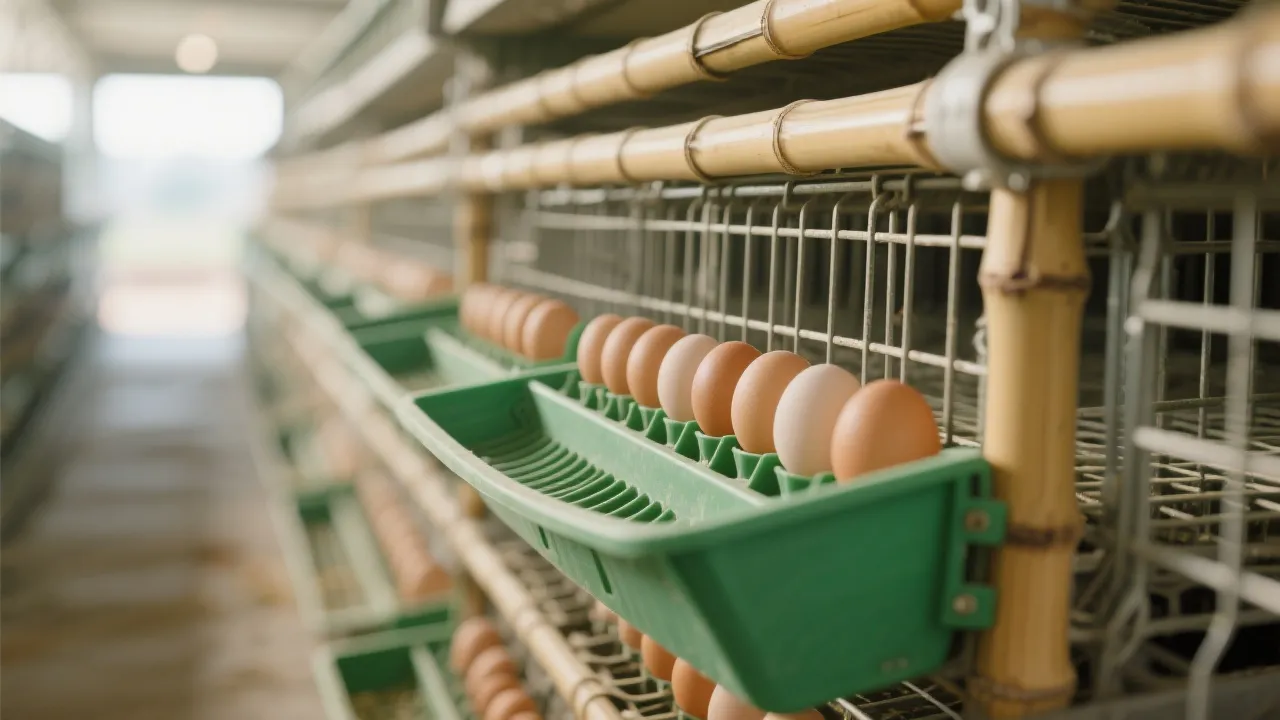
| Roller Conveyor Belt | Gentle egg transport at 0.3 m/s speed | Minimizes stress and breakage |
| Inductive Egg Sensor | Detects egg presence via magnetic field | Enables real-time sorting accuracy >99% |
| Smart Sorting Module | Diverts eggs by size/quality using AI logic | Reduces waste and boosts premium pricing potential |
Tailored Performance for Different Farm Sizes
Whether you're managing 5,000 or 50,000 hens, the system adapts:
- Low-density farms (≤10 birds/m²): Optimal comfort, minimal movement interference
- High-density setups (12–15 birds/m²): Proven stability with 99.7% uptime in trials across EU and Southeast Asia
Key insight: When properly configured, automated systems don’t just reduce workload—they enhance chicken well-being by eliminating sudden disturbances during egg-laying cycles.
Daily Maintenance Tips & Common Fixes
Even the most advanced systems need care. Here are quick wins:
- Check belt tension weekly—use a tension gauge (recommended: 5–7 kg force)
- Clean sensors monthly with isopropyl alcohol—prevents false triggers
- Monitor motor temperature (keep below 65°C) to avoid overheating
Most issues arise from dust buildup or misaligned belts—not complex failures. With proper training, your team can resolve 85% of common problems within 30 minutes.
As global demand for sustainable protein grows, smart poultry solutions aren't optional—they're essential. From Europe to Africa, farms adopting automation are seeing not only cost savings but also better compliance with food safety standards like ISO 22000 and BRCGS.





Hot Products

.jpg?x-oss-process=image/resize,m_fill,h_800,w_800/format,webp)


Popular articles



READY TO START?
Ready to Build Your Poultry Farm?
Tell us your land size, poultry type and farming capacity. LIVI will provide a complete farm solution for your project.