


Automated Systems in Modern Poultry Houses: Feeding, Drinking, Manure Removal & Egg Collection
Modern layer houses rely on automated poultry equipment to keep daily operations stable and repeatable—especially when flock size grows and labor becomes harder to scale.
This page explains how four core systems—automatic feeding, automatic drinking, automatic manure removal, and automatic egg collection—work together as one coordinated workflow. As a turnkey poultry solution provider, Livi Machinery (Zhengzhou LIVI Machinery Manufacturing Co., Ltd.) integrates these systems based on house layout, flock size, and target output.
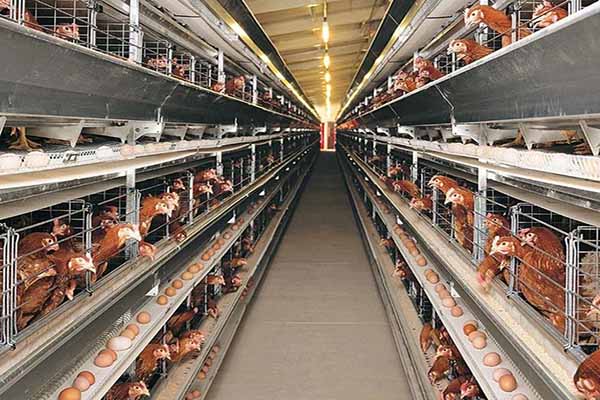
Why “System Coordination” Matters in a Layer House
In a layer farm, each automated system has its own job, but performance depends on how well they synchronize. Poor coordination can create bottlenecks—feed distribution delays can affect water intake patterns, manure accumulation can impact air quality, and egg belt schedules must avoid interference with routine checks.
- Labor reduction: automation replaces repetitive daily tasks with scheduled, consistent operation.
- House conditions: timely manure removal supports hygiene and air quality; stable feed/water delivery supports flock consistency.
- Management efficiency: predictable workflows simplify supervision, records, and troubleshooting.
The Four Core Automated Systems (Roles & Boundaries)
1) Automatic Feeding System
The automatic feeding system delivers feed evenly to each cage row according to a set schedule, reducing manual feed carrying and minimizing uneven intake between lines.
- Main responsibility: stable, uniform feed delivery across the house.
- Key interfaces: cage line layout, trough design, operation timing with egg collection routes and routine inspection.
- Common selection focus: match capacity and distribution path to flock size and building length.
2) Automatic Drinking System
The automatic drinking system provides consistent access to clean water along the cage lines. In practice, stable water availability supports steady feed consumption and reduces stress from intermittent manual refilling.
- Main responsibility: reliable water supply to birds across all tiers and rows.
- Key interfaces: pressure stability, line routing, and day-to-day maintenance access.
- Common selection focus: configure by row count, tier count, and local water quality/filtration needs.
3) Automatic Manure Removal System
The automatic manure removal system removes droppings on a planned cycle. Regular cleaning helps improve hygiene and can support better working conditions by limiting buildup under cages.
- Main responsibility: scheduled, efficient manure transport out of the house.
- Key interfaces: manure belt routes, discharge points, and coordination with ventilation/house management routines.
- Common selection focus: align discharge design with farm logistics (collection, storage, transport).
Practical note: manure removal frequency should be planned as part of the overall house management rhythm to avoid unnecessary disturbances.
4) Automatic Egg Collection System
The automatic egg collection system transfers eggs from cage lines to a centralized collection point. It reduces manual handling steps and supports more orderly daily collection routines.
- Main responsibility: safe, continuous transport of eggs to collection/packing areas.
- Key interfaces: cage floor slope/egg roll-out design, belt alignment, and collection room layout.
- Common selection focus: select belt routing and collection capacity based on house length and target daily throughput.
How They Work Together: A Typical Daily Workflow
While exact schedules vary by farm management preferences, the integration logic stays consistent: feed and water support bird intake, manure removal supports hygiene, and egg collection organizes product flow. A coordinated plan helps avoid clashes and keeps the house running smoothly.
- Feeding runs distribute feed across rows according to the chosen timing plan.
- Drinking lines provide continuous access to water, supporting stable daily intake.
- Manure belts operate on a defined cycle to keep under-cage areas clean and manageable.
- Egg collection moves eggs to the collection point with fewer handling steps, improving routine efficiency.
Integration principle: configure automation as an integrated plan based on poultry house layout, flock size, and target production capacity—not as isolated equipment purchases.
Recommended Equipment Basis: High-Efficiency H-Type Layer Cage System
In many commercial layer projects, the cage system is the “structural backbone” that determines how feed lines, drinker lines, manure belts, and egg belts are arranged. Livi Machinery offers a High-Efficiency H-Type Layer Chicken Cage designed for commercial layer farming and integrated automation.
What this H-Type system is built for
- Capacity range: designed to support farms from about 5,000 to 30,000 birds (layout dependent).
- Material: Q235 steel, with hot-dip galvanizing and aluminum-zinc alloy coating for durability.
- Service life (as specified): typically 15–20 years under proper use and maintenance.
- Structure advantage: the H-type design improves space utilization and supports organized feeding, cleaning, and egg collection routes.
- Automation compatibility: supports integration with automatic egg collection and automatic manure removal to reduce manual work and improve operational rhythm.
Standards & compliance (as provided)
Note: certification applicability can vary by configuration and destination market; confirm requirements during project planning.
How to Choose the Right Automation Configuration
Selecting automated poultry farming equipment is mainly an engineering and management decision. A practical selection process focuses on three inputs and turns them into a coordinated system plan.
Selection inputs
- Poultry house layout: building length/width, row count, tier count, collection room position, discharge route.
- Flock size: total birds and future expansion plan.
- Target output & workflow: preferred collection rhythm, staffing plan, hygiene management cycle.
Integration checkpoints
- Capacity matching: feeding/egg collection/manure removal capacities aligned to house scale.
- Routing & access: equipment paths that preserve maintenance space and inspection visibility.
- Operation timing: avoid conflicts between belts, staff movement, and daily management tasks.
Implementation Support from Livi Machinery
Livi Machinery is a manufacturing + trading integrated company focused on poultry farming equipment and turnkey farm delivery. For commercial layer projects, we can support planning and delivery from equipment selection to on-site commissioning based on your local conditions.
Typical scope (project-dependent)
- Automation system configuration around the cage layout (feeding, drinking, manure removal, egg collection).
- Equipment manufacturing with quality control from raw materials to shipment.
- Technical guidance and service support during installation and operation.
If you share your house dimensions, bird capacity target, and preferred collection/manure discharge arrangement, our team can help outline an integrated automation plan that fits your layer farm workflow.

Hot Products

.jpg?x-oss-process=image/resize,m_fill,h_800,w_800/format,webp)


READY TO START?
Ready to Build Your Poultry Farm?
Tell us your land size, poultry type and farming capacity. LIVI will provide a complete farm solution for your project.