


Global Trends in Automated Poultry House Equipment for Large-Scale Farm Projects

Large-scale commercial poultry markets are increasingly moving toward intensive and intelligent production. Across Africa, the Middle East, Southeast Asia, South America, Central Asia, and Europe, farm investors and integrators are planning projects with higher expectations for labor efficiency, management consistency, and operational stability.
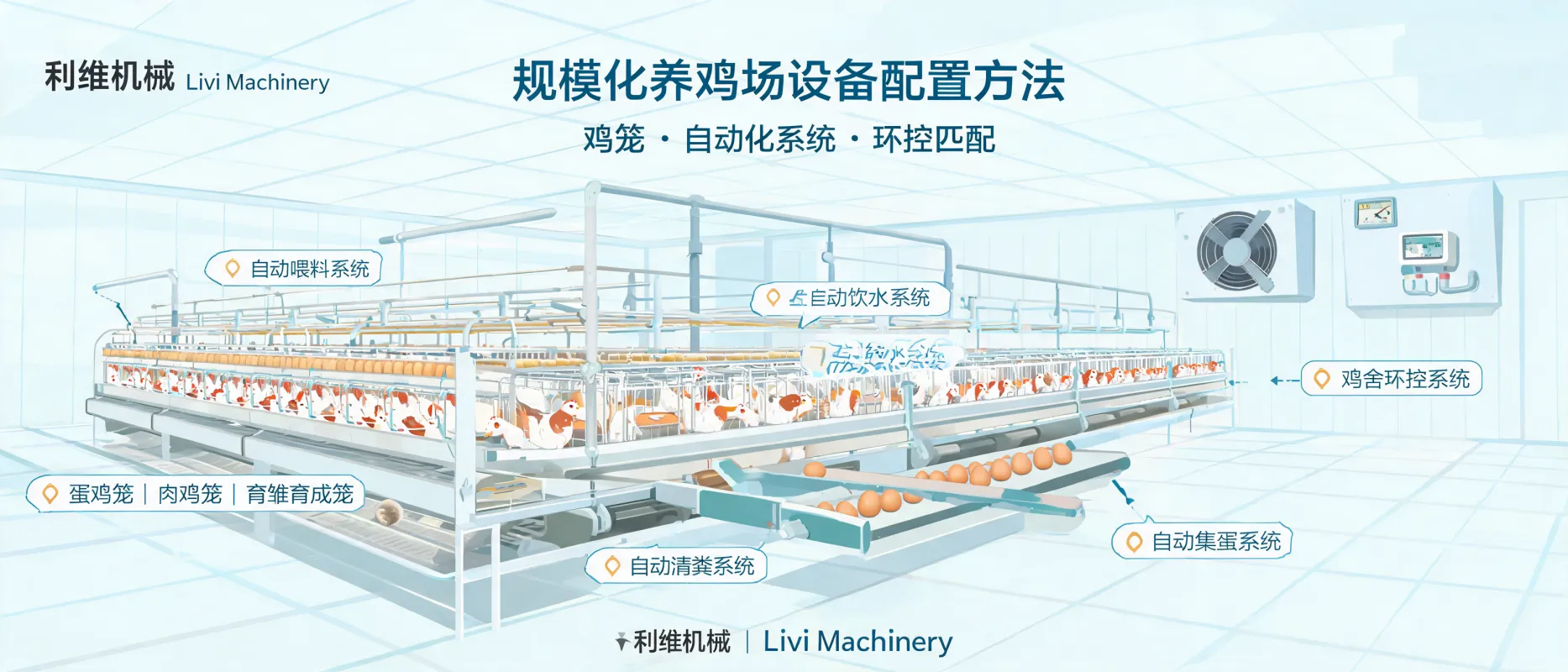
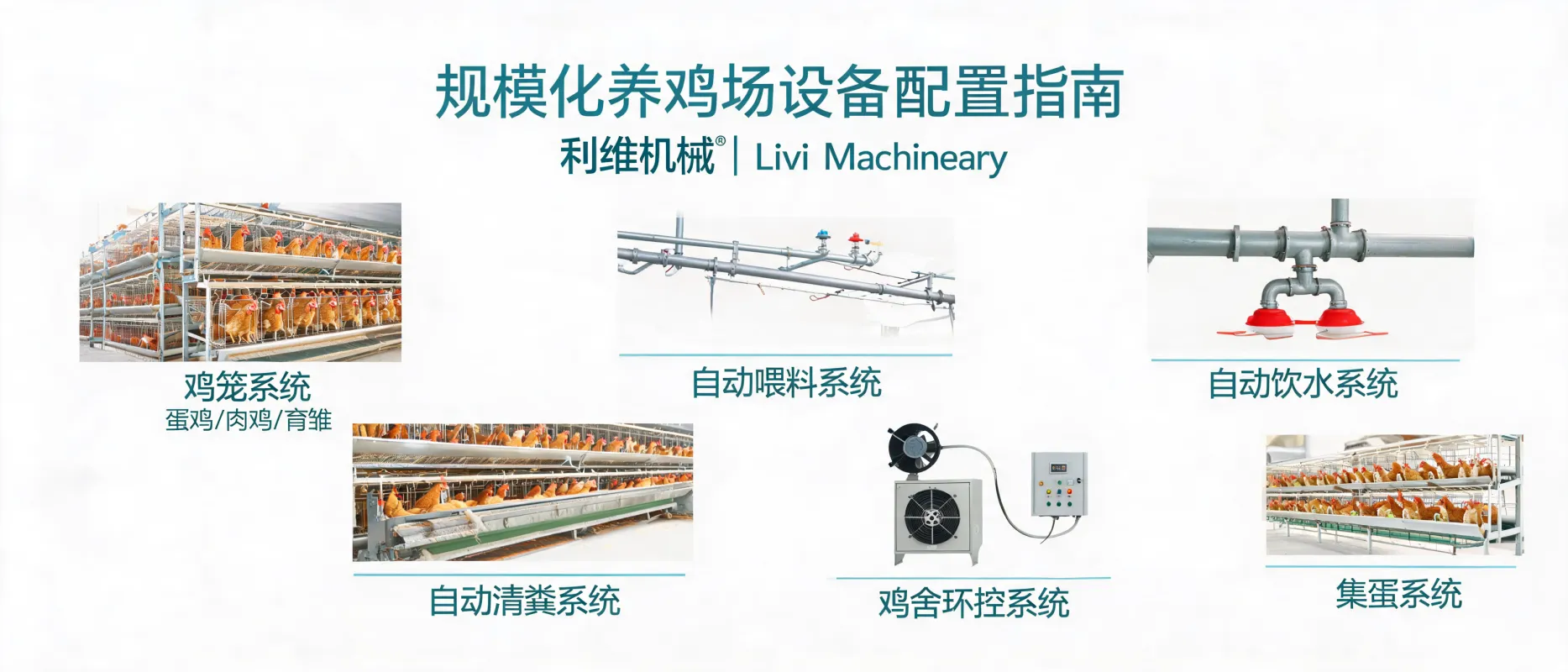
This page by Livi Machinery (Zhengzhou Livi Machinery Manufacturing Co., Ltd.) outlines major trends in automated poultry house equipment and the planning directions most relevant to modern farm projects—covering automatic feeding, automatic drinking, automatic manure removal, automatic egg collection, and poultry house environmental control.
Why automation becomes a planning default
- Scaling up flock size increases the need for repeatable routines and standardized performance.
- Labor availability and cost push farms to improve labor utilization per bird through mechanization.
- Stable production requires better control of water/feed delivery, house hygiene, and environment.
- Data-driven management becomes easier when systems are designed for monitoring and adjustment.
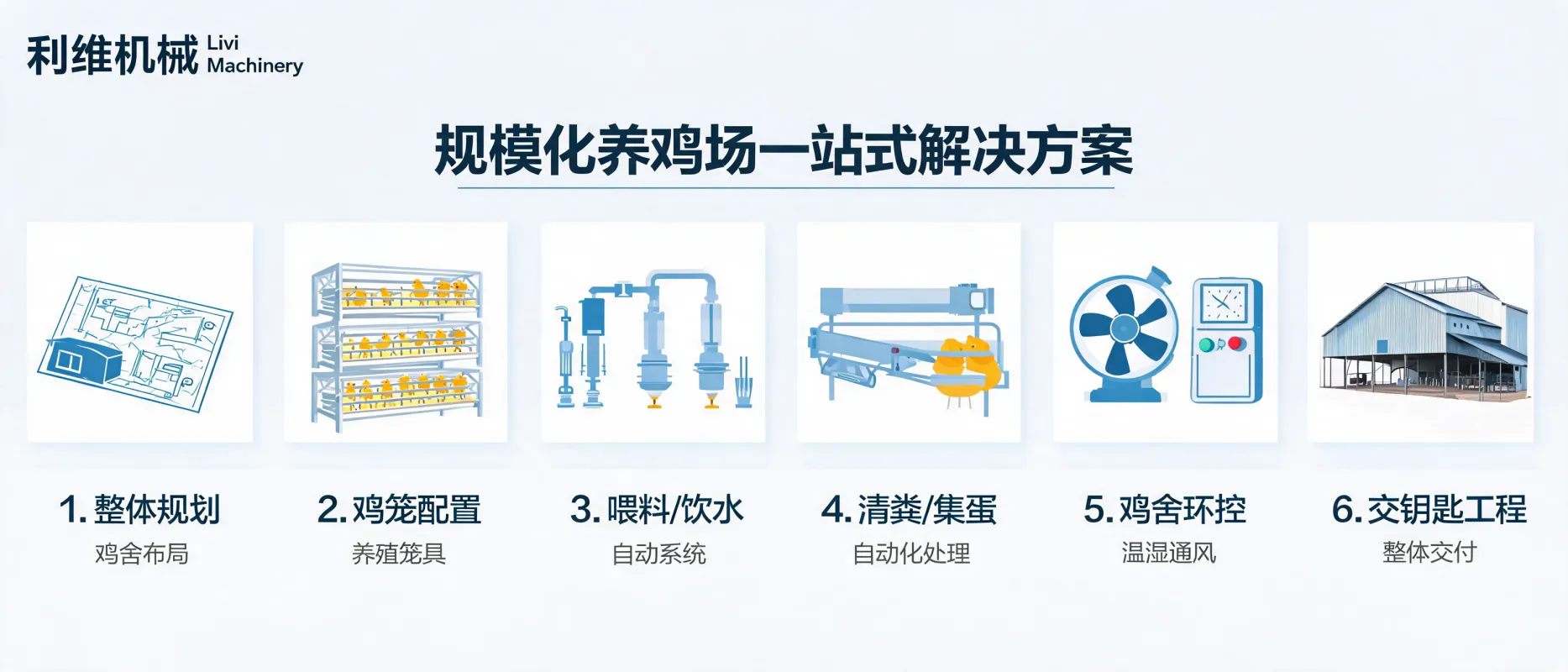
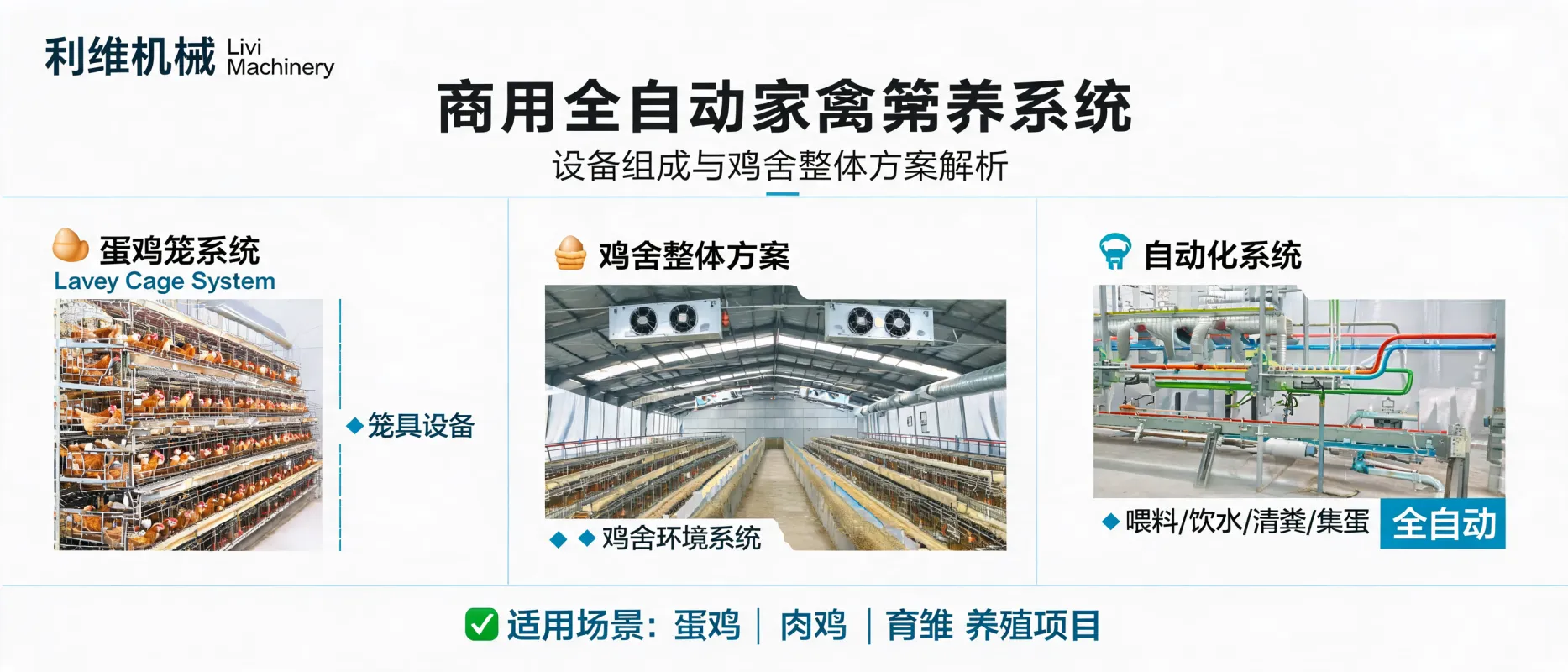
What “automated poultry house systems” usually include
In modern commercial houses, automation is rarely a single machine. It is a linked set of modules designed around daily production workflows.
- Feeding system to deliver feed consistently and reduce manual handling.
- Drinking lines to ensure uniform access and stable water hygiene.
- Manure removal to support biosecurity and reduce ammonia impact.
- Egg collection (layers) to protect egg quality and streamline handling.
- Environmental control for temperature, ventilation, and air quality management.
Key automation modules: planning intent and practical value
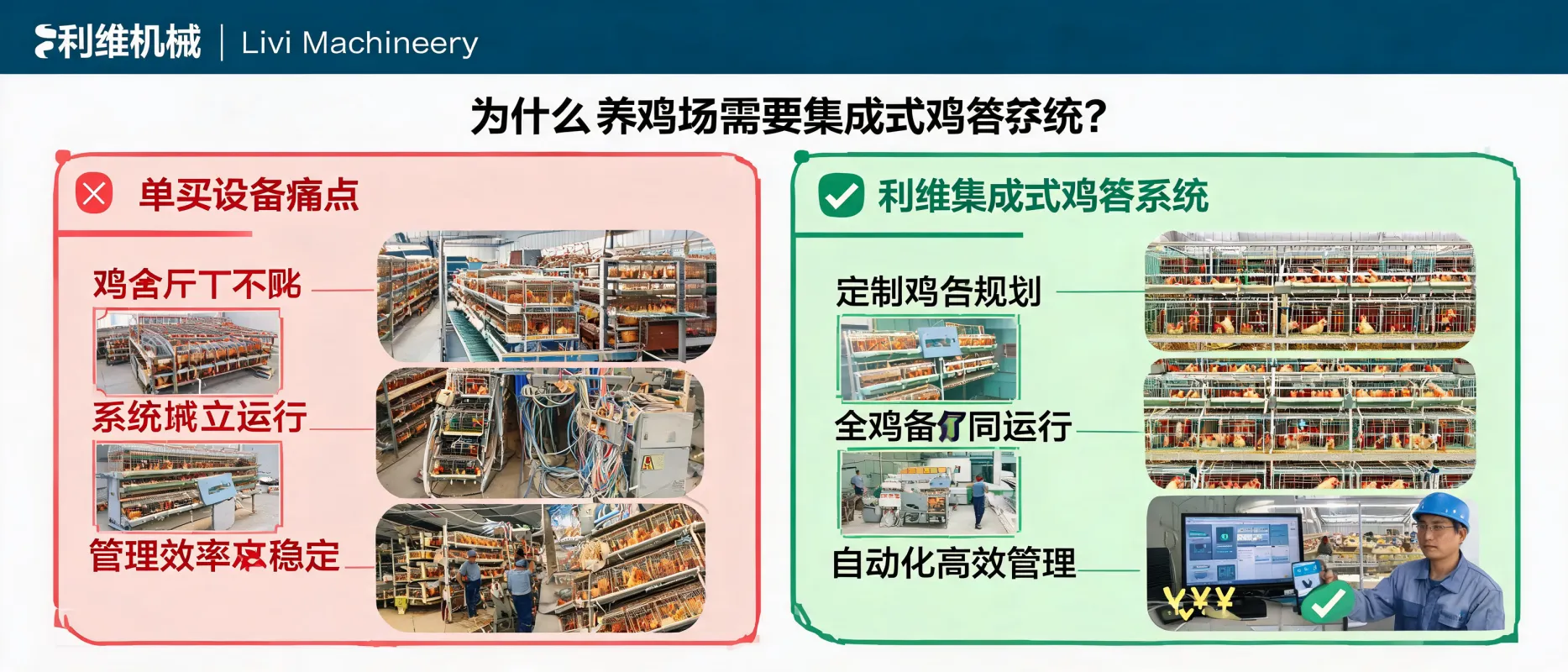
Planning note: automation works best when these modules are designed as a coordinated system—layout, power/water routing, operating routines, and maintenance access are decided early in the project.
Project planning directions for large-scale poultry farms
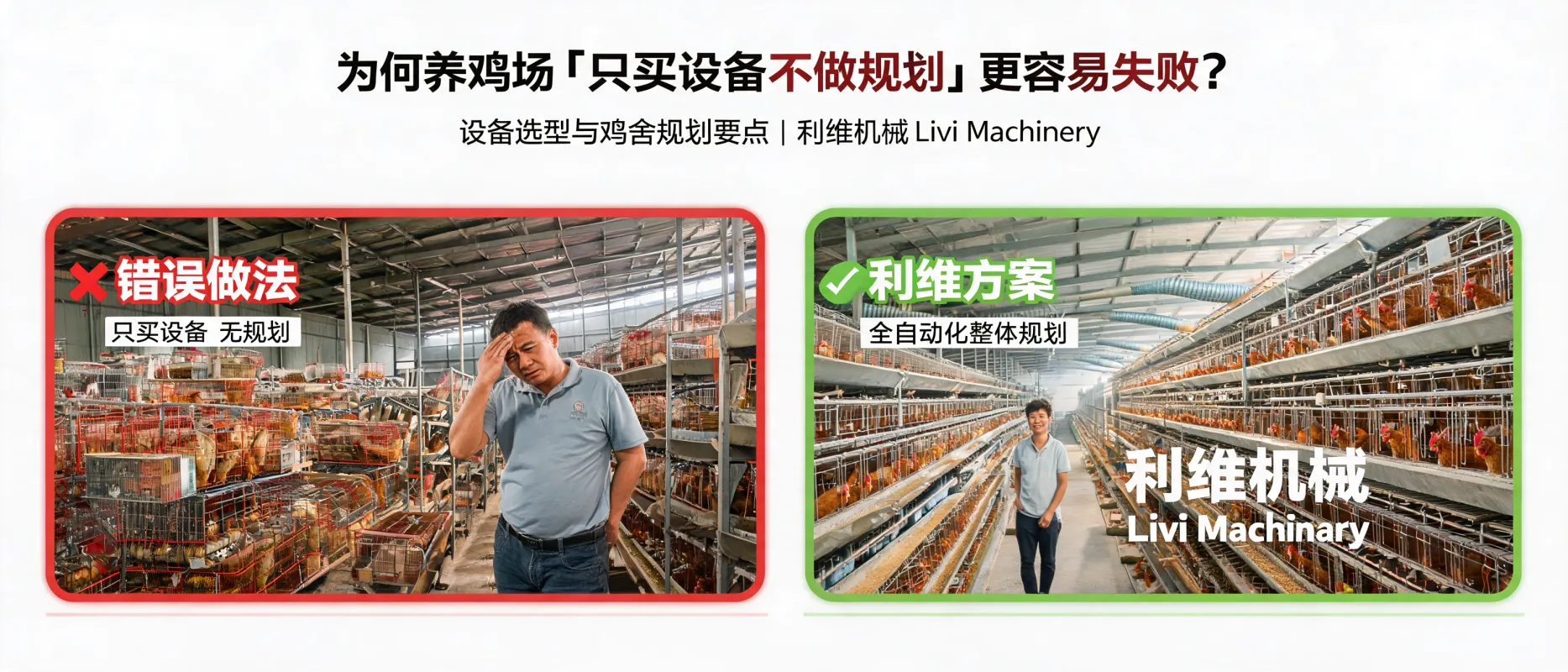
1) Design for intensive workflows (not only for equipment)
Large farms succeed when daily tasks—feeding, watering checks, manure handling, egg handling (layers), and environmental adjustments—are structured into repeatable routines. Automation trends favor systems that support consistent execution and clear operating procedures.
2) Prioritize reliability and maintainability in the layout
In commercial houses, stable operation depends on accessible routes for inspection, cleaning, and servicing. Planning directions increasingly emphasize maintenance access, spare parts readiness, and easy-to-check installation details—especially for feeding lines, drinker lines, and manure removal routes.
3) Treat environmental control as a core production system
Environmental control is not just comfort—it is a stability tool for intensive production. Current market trends favor clearer planning for ventilation and temperature management logic, with equipment choices matched to local climate conditions and house design requirements.
4) Build an upgrade path toward intelligent management
Intelligent poultry farming is often achieved step-by-step. Many projects plan automation first, then add monitoring and optimization based on operation needs. A practical direction is ensuring the site is prepared for future improvements (power, routing, and space), so the farm can scale and optimize without major disruption.
Applicable regions: aligning automation with local realities
While the global direction is similar, project planning should reflect local constraints such as labor availability, supply chain capability, climate conditions, and commissioning requirements. Livi Machinery supports planning discussions for projects serving: Africa, Middle East, Southeast Asia, South America, Central Asia, and Europe.
- Hot climates: environmental control planning often becomes a top priority for stable operation.
- Labor-constrained areas: automation modules are selected to reduce manual work and improve routine consistency.
- Fast-growing markets: projects may emphasize scalable layouts and standardized workflows for rapid replication.
How Livi Machinery supports farm project planning
As an integrated manufacturer and solution provider in poultry farming equipment, Livi Machinery focuses on large-scale farm needs with system thinking across the full poultry production process—such as layer cages, broiler cages, chick rearing systems, automatic feeding, drinking, manure removal, egg collection, and poultry house environmental control equipment.
We work with customers from planning to delivery for EPC-style, turnkey directions—helping align equipment modules with site conditions, operational goals, and practical maintainability. Quality control is treated as a baseline requirement, from raw material selection to outgoing inspection, to support stable use in long-term farm operation.
Quick checklist for decision-makers
- Define your production type (layers/broilers) and daily workflow targets.
- Confirm required automation modules: feeding, drinking, manure removal, egg collection (if layers), environmental control.
- Review layout for access, cleaning routines, and maintenance safety.
- Plan for commissioning and operator training to ensure routines are adopted.
- Reserve room for future intelligent upgrades based on operational needs.
Talk to Livi Machinery
If you are planning a large-scale commercial poultry farm project, we can support early-stage discussions on equipment module selection and system integration direction—tailored to local market realities and project constraints.
Share your location, target capacity, production type (layers/broilers), and preferred level of automation, and the team will align recommendations around practical operation and maintainability.


Hot Products

.jpg?x-oss-process=image/resize,m_fill,h_800,w_800/format,webp)



READY TO START?
Ready to Build Your Poultry Farm?
Tell us your land size, poultry type and farming capacity. LIVI will provide a complete farm solution for your project.