


Automated Manure Cleaning and Egg Collection Systems: Key Technologies Driving Enhanced Layer Poultry Farming Efficiency

Revolutionizing Egg Production Efficiency with Automated Manure Removal & Egg Collection Systems
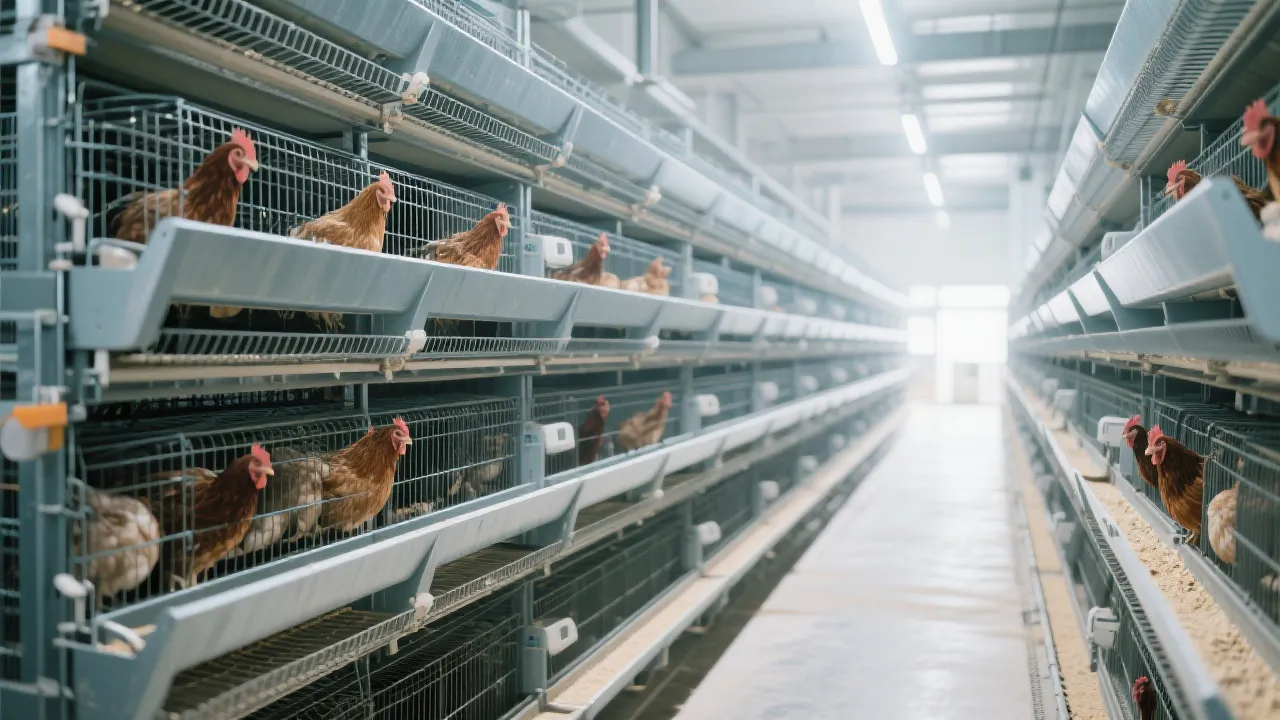
Modern poultry farming faces critical challenges dominated by labor intensity, hygiene concerns, and operational inefficiencies. Traditional egg-laying hen farms, especially those relying on manual cleaning and egg collection, struggle with high labor costs and inconsistent production quality. Leveraging automated manure removal and egg collection systems, particularly within the framework of the innovative H-type tiered hen cages, offers a transformative pathway to intelligent farm management.
Understanding the Pain Points of Conventional Egg-laying Operations
Farmers managing flocks exceeding 5,000 hens frequently contend with:
- Excessive dependence on manual labor for manure clearance and egg gathering, often requiring large daily workforces, resulting in elevated operational expenses.
- Compromised barn hygiene causing respiratory health issues in birds and elevated pathogen risks, which can undermine egg quality and yield.
- Operational inefficiencies from uncoordinated cleaning and collection schedules, contributing to egg damage and time loss.
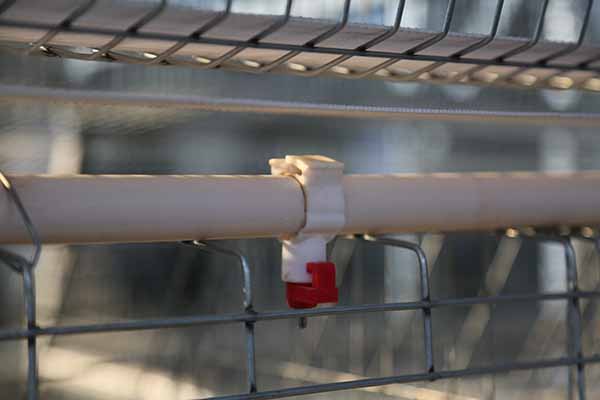
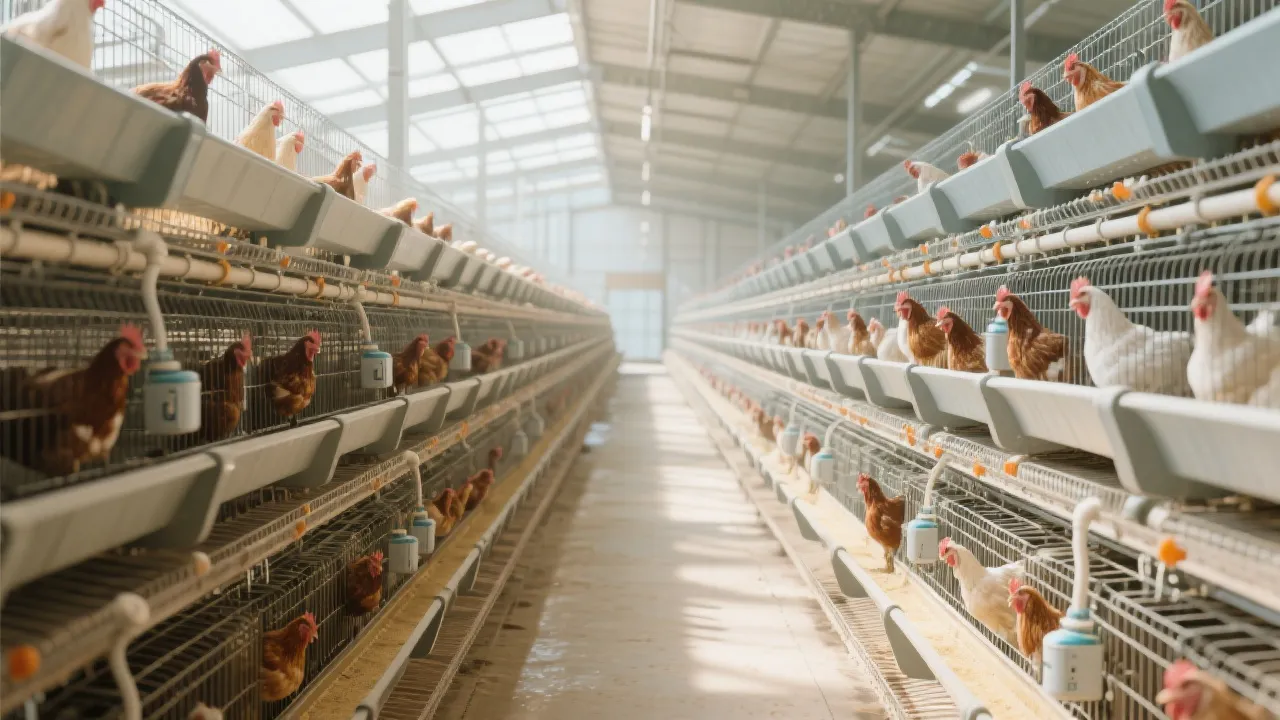
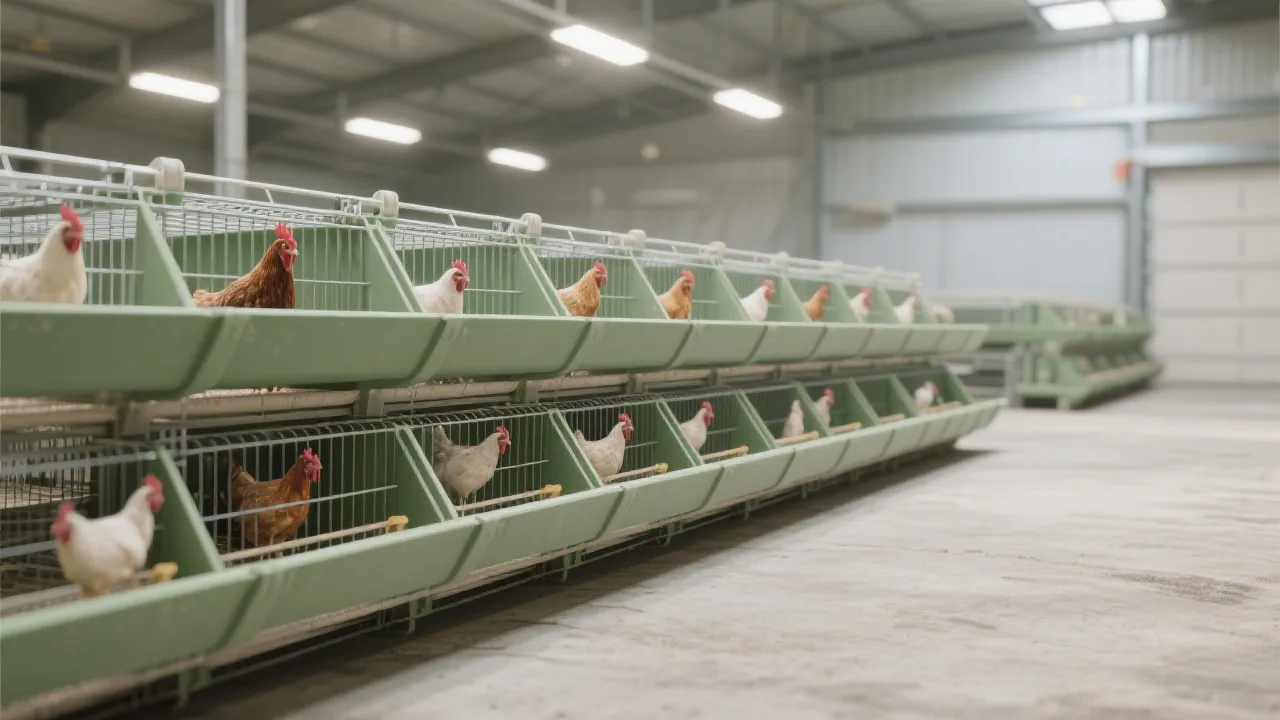
How the H-type Tiered Cage’s Automated Systems Operate
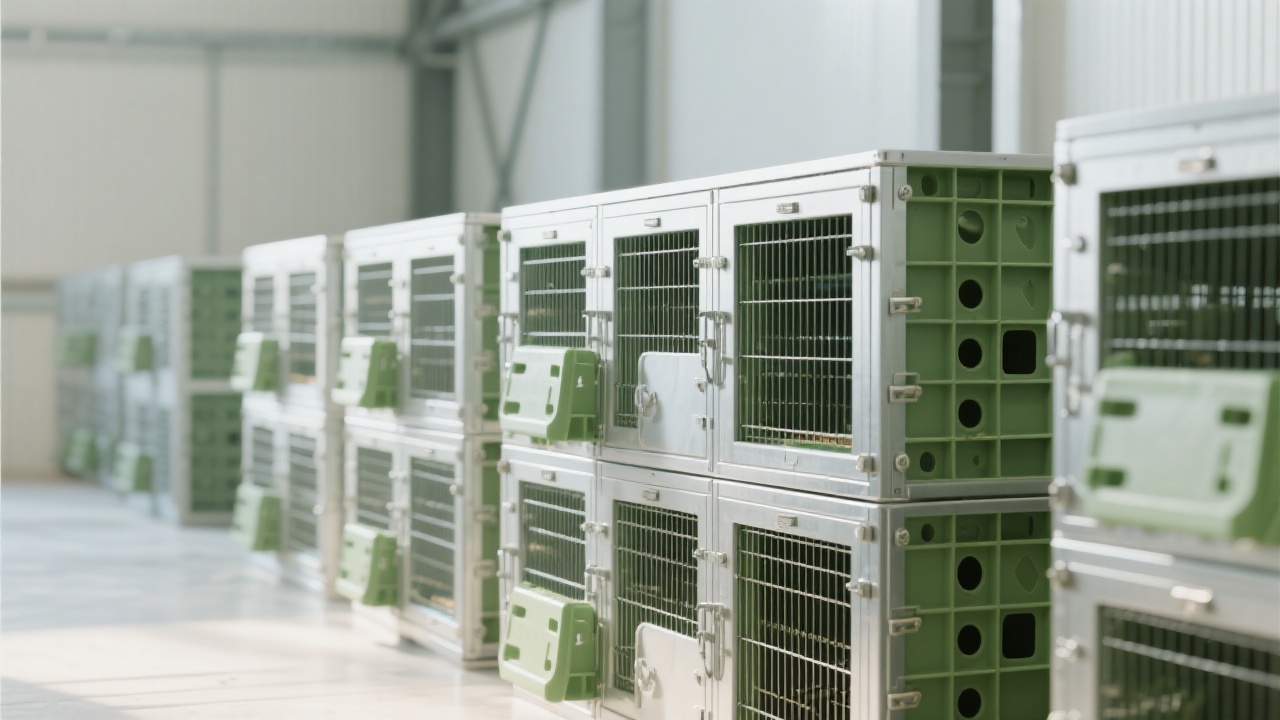
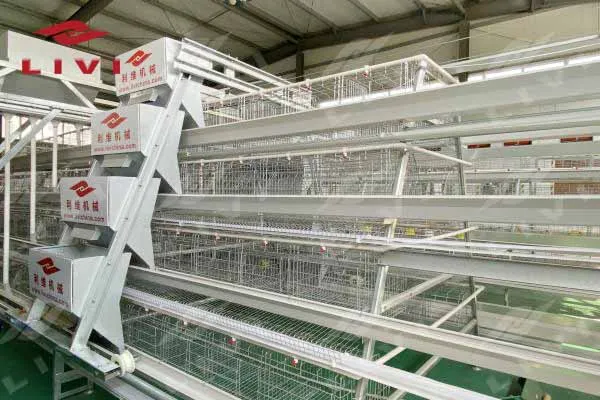
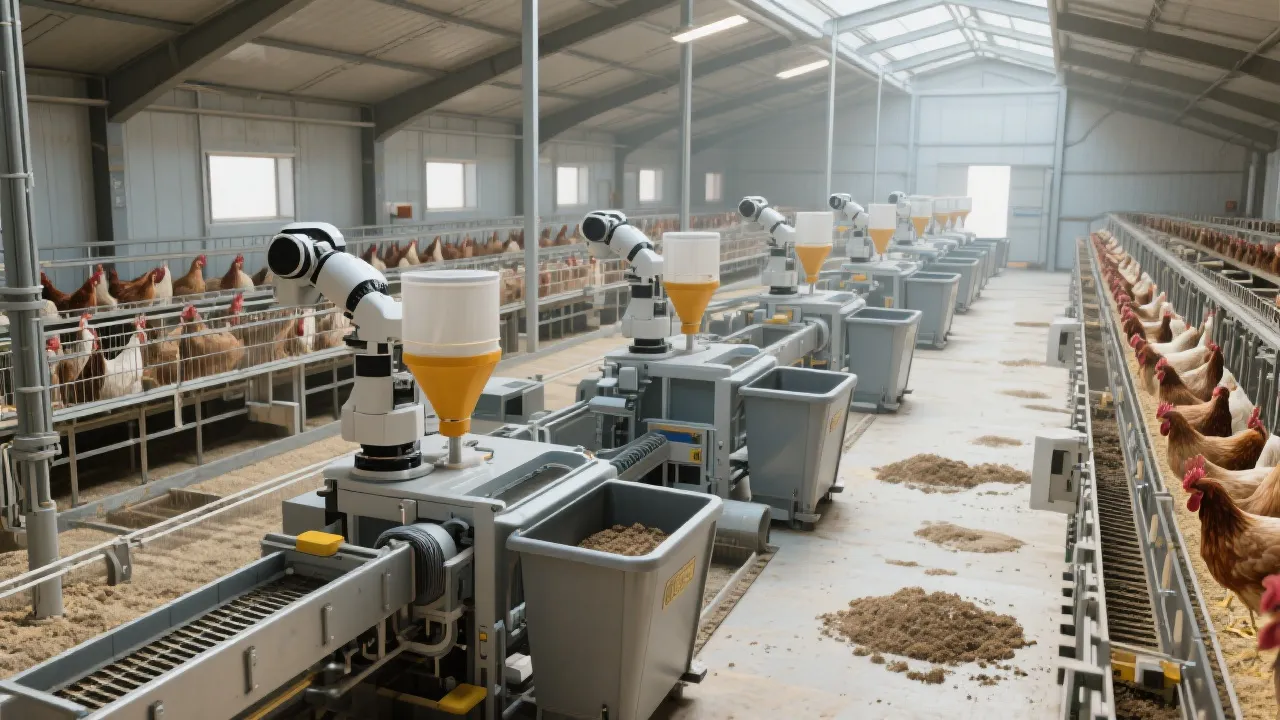
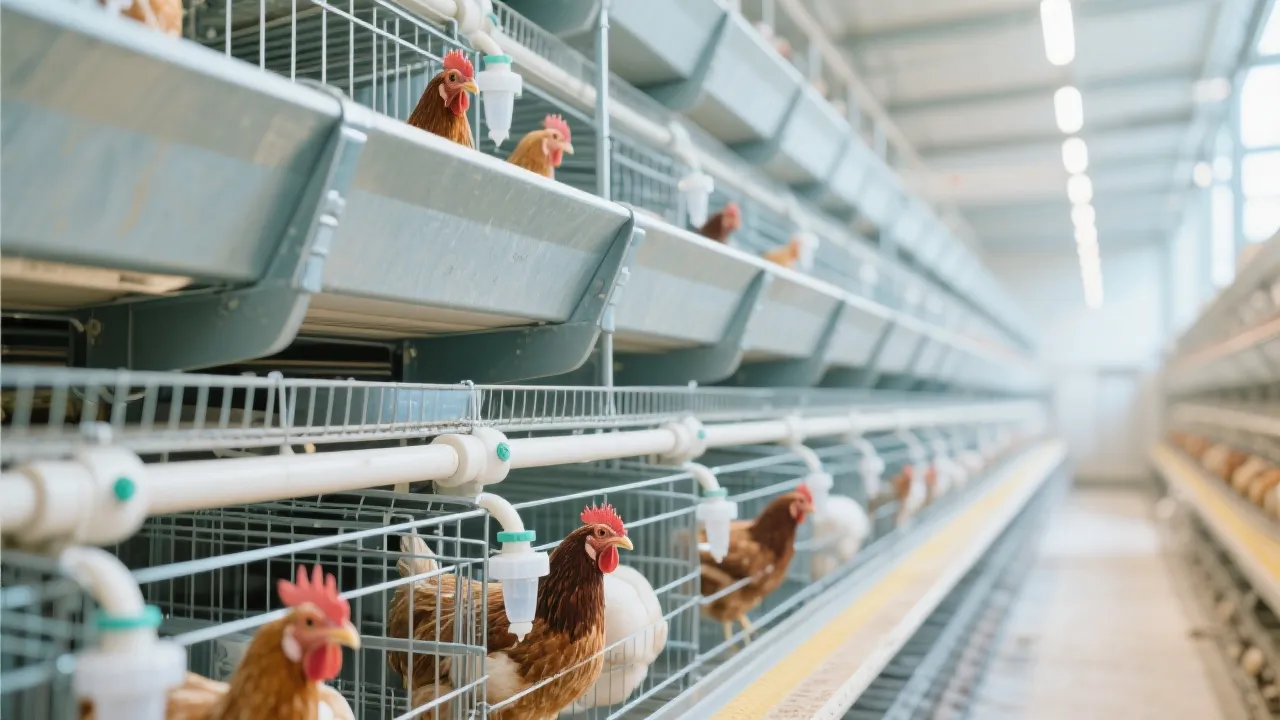
The H-type cage design integrates two core automated systems:
| System | Core Features | Operational Benefits |
|---|---|---|
| Automatic Manure Removal | Timed manure conveyors beneath cages, adjustable cleaning frequency, odor control via improved ventilation. | Reduces manual labor by up to 40%, improves barn hygiene, lowers ammonia emissions. |
| Automated Egg Collection | Synchronizes with hen’s laying rhythms, gentle conveyor belts minimize damage, easy transfer to packing stations. | Enhances egg collection efficiency, reduces egg breakage by 25%, lowers handling time. |
The synergy of these subsystems ensures continuous, synchronized cleaning and collecting processes, significantly mitigating labor intensity and bolstering production stability.
Real-world Case Studies Validating Efficiency Gains
Several large-scale farms with flocks above 5,000 hens have adopted this system, documenting remarkable improvements:
| Farm | Labor Cost Reduction | Increase in Egg Yield | Hygiene & Environment |
|---|---|---|---|
| GreenFarm Inc. | 35% reduction in labor hours | 3.7% increase in overall egg production | Significant ammonia reduction, better ventilation |
| SunnyEgg Poultry | 40% lower cleaning labor costs | 4.1% higher daily egg weight average | Reduced pathogen levels, improved bird welfare |
“Switching to the automated H-type system cut our manual labor nearly by half and stabilized egg output more than expected. The cleaner environment visibly improved flock health.”
- Jason Lee, Owner, GreenFarm Inc.
Strategic Insights and Future Prospects for Intelligent Poultry Farming
Embracing automation in poultry farming aligns directly with emerging ISO and CE standards that emphasize environmental safety, animal welfare, and operational efficiency. The technology embodied in the H-type cage system provides a replicable, scalable template for medium to large-scale operations striving for sustainable growth.
Key recommendations for farms considering upgrades:
- Plan integration phases to minimize disruption during transition.
- Train staff on system monitoring and routine maintenance to ensure longevity.
- Leverage data analytics from automated systems to inform feeding, ventilation, and health management.
The trajectory toward full-scale intelligent hen farming is gaining momentum globally, underscoring the need for modern managers to adopt systems that deliver measurable ROI in labor reduction, yield improvement, and environmental compliance.





Hot Products

.jpg?x-oss-process=image/resize,m_fill,h_800,w_800/format,webp)


Popular articles



READY TO START?
Ready to Build Your Poultry Farm?
Tell us your land size, poultry type and farming capacity. LIVI will provide a complete farm solution for your project.