


Efficient Automated Maintenance Guide for Layer Hen Cages: Key Techniques to Extend Q235 Steel Cage Lifespan

Efficient Automated Layer Hen Cage Maintenance: Key Techniques to Extend Q235 Steel Cage Lifespan
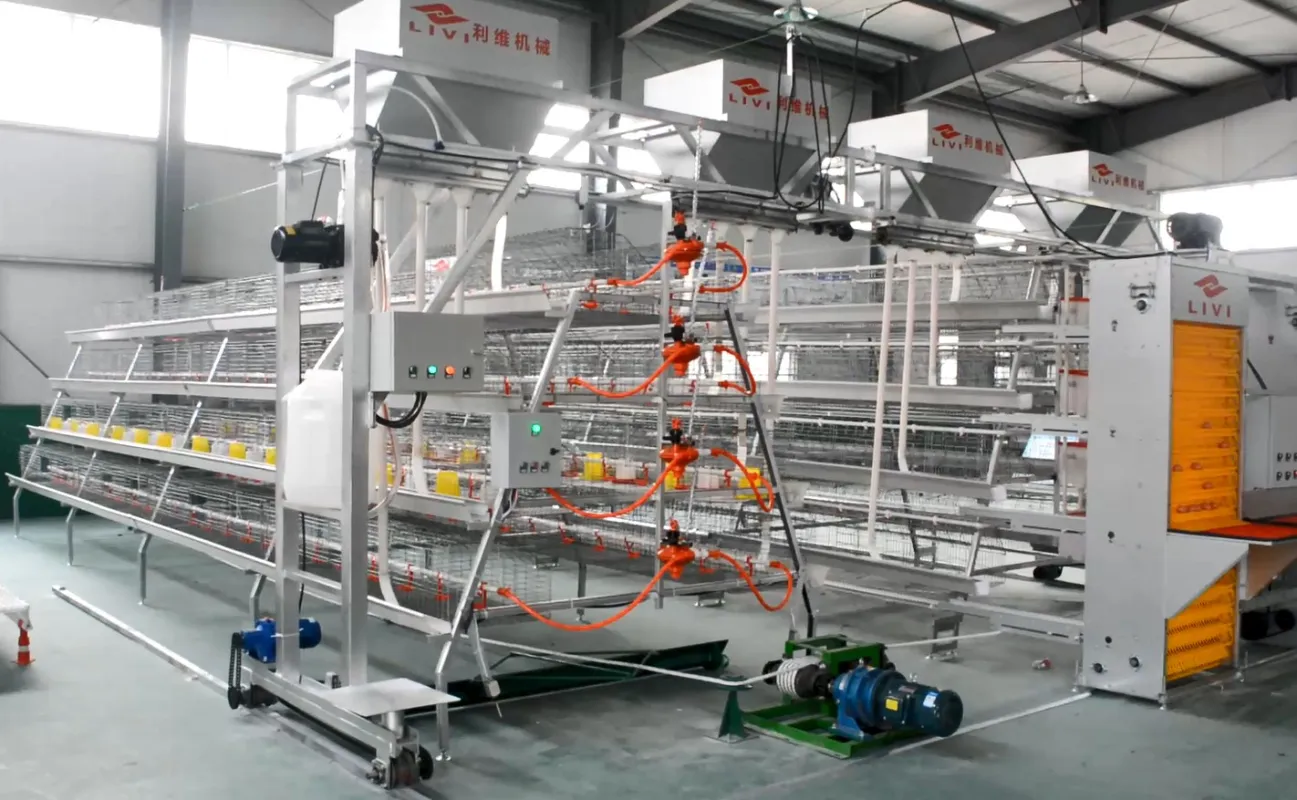
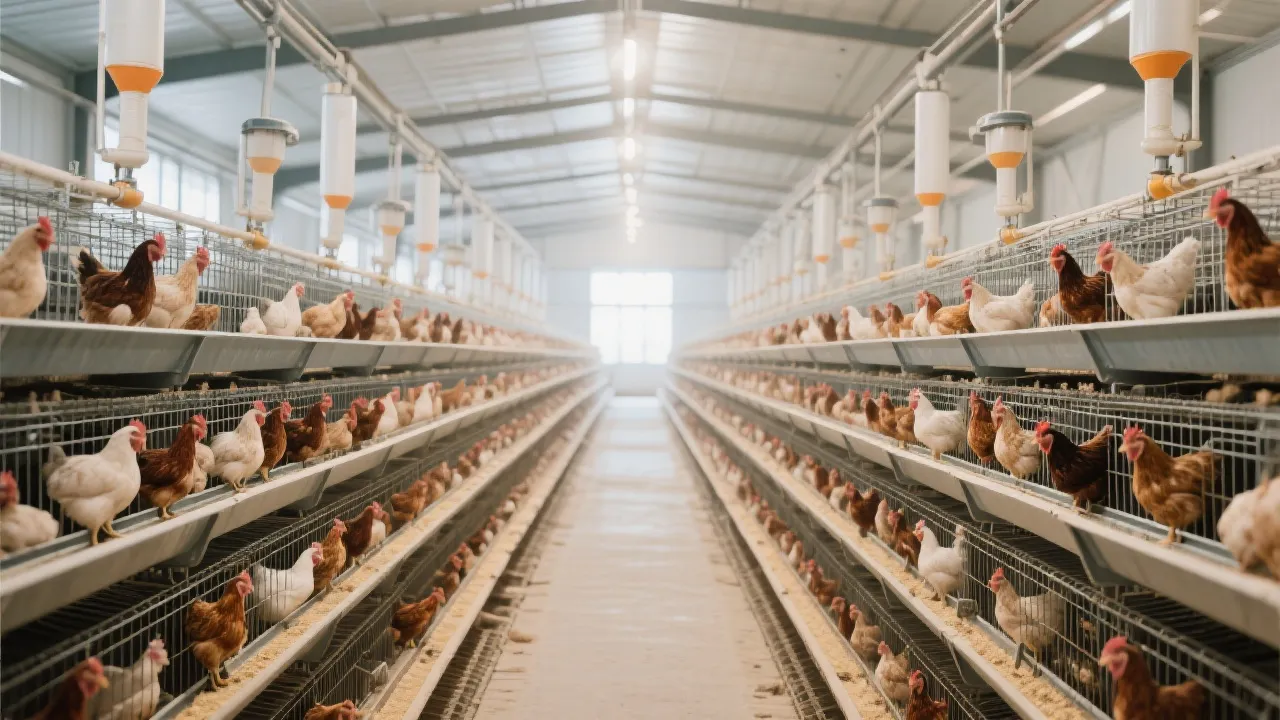
If you aim to maximize the productivity and durability of your automated H-type layer hen cages, mastering their maintenance is essential. These cages, constructed with robust Q235 steel coated by dual layers of hot-dip galvanized and aluminum-zinc alloy, offer superior corrosion resistance that, when properly cared for, ensures long-term operation with minimal downtime.
Understanding the Corrosion Resistance of Q235 Steel with Dual-Layer Coatings
Q235 steel is a high-quality carbon structural steel known for its strength and weldability. The two protective coatings—a hot-dip galvanized zinc layer followed by an aluminum-zinc alloy coating—act synergistically to defend against rust and chemical wear:
- Hot-dip galvanization: Creates a thick zinc layer that sacrificially protects steel by corroding first.
- Aluminum-zinc alloy coating: Adds a dense, weather-resistant finish that minimizes oxidation caused by moisture and manure acids.
This dual-layer system allows your cages to resist corrosion even under harsh farming conditions, substantially extending their service life compared to single-coated options.
Maintenance Schedule: What You Should Do Daily, Weekly, and Monthly
Just like any mechanical equipment, proactive maintenance allows your automated layer hen cages to remain reliable and efficient. Here’s a practical schedule to follow:
| Task | Frequency | Details |
|---|---|---|
| Check and lubricate moving parts | Daily | Apply high-quality grease to chains, bearings & pivot joints to minimize wear and squeaking. |
| Inspect automated control systems | Weekly | Verify sensors, wiring, and control panels for signs of damage or malfunction. |
| Clean manure and debris from troughs & gutters | Weekly | Prevent corrosive buildup and reduce disease risk by optimizing manure removal system. |
| Full corrosion inspection and touch-up | Monthly | Identify rust spots early, clean, and apply zinc-rich paint as needed to extend coating life. |
Common Maintenance Mistakes and Their Consequences
Here are several operational errors that you should avoid to prevent costly downtime:
- Skipping regular lubrication: Leads to accelerated mechanical wear and unexpected breakdowns.
- Neglecting manure cleaning: Allows accumulation of corrosive agents causing premature steel degradation.
- Ignoring sensor faults: Causes improper automation responses, reducing egg production efficiency.
- Applying harsh cleaning chemicals: Damages the protective coatings, nullifying corrosion resistance.
By cultivating disciplined maintenance habits, you protect your investment, prevent loss of productivity, and reduce repair expenses.
Success in Action: Real-World Case Study
Consider GreenFarm Poultry, a mid-sized layer farm that implemented this maintenance plan:
- Adhered strictly to lubrication and manure removal schedules.
- Conducted monthly corrosion checks and prompt paint touch-ups.
- Monitored automation system components systematically to avoid sensor downtime.
Their results over 12 months showed:
- 35% reduction in mechanical failures
- 20% increase in continuous operational hours
- 5-year extended cage lifespan compared to industry average
Truly, “reducing downtime means increasing egg yield,” and your operation can achieve the same.
Interactive Q&A: Share Your Experience
What common issues or failures have you encountered with your automated layer hen cages? Leave your comments below to help build a knowledge-sharing community.
Discover More About Extending Your Q235 Steel Layer Hen Cages’ Durability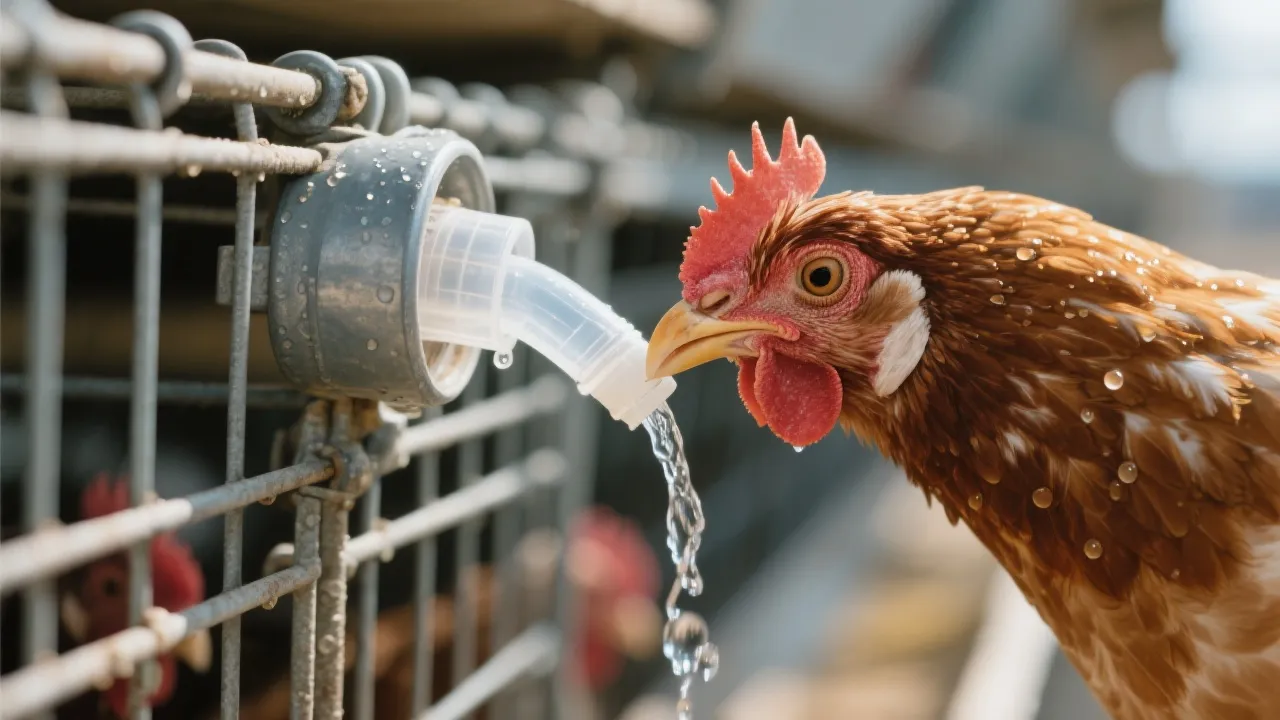


Hot Products

.jpg?x-oss-process=image/resize,m_fill,h_800,w_800/format,webp)


Popular articles





READY TO START?
Ready to Build Your Poultry Farm?
Tell us your land size, poultry type and farming capacity. LIVI will provide a complete farm solution for your project.