


Automated Egg Collection Systems: Comparing Drum vs. Conveyor Belt Technologies
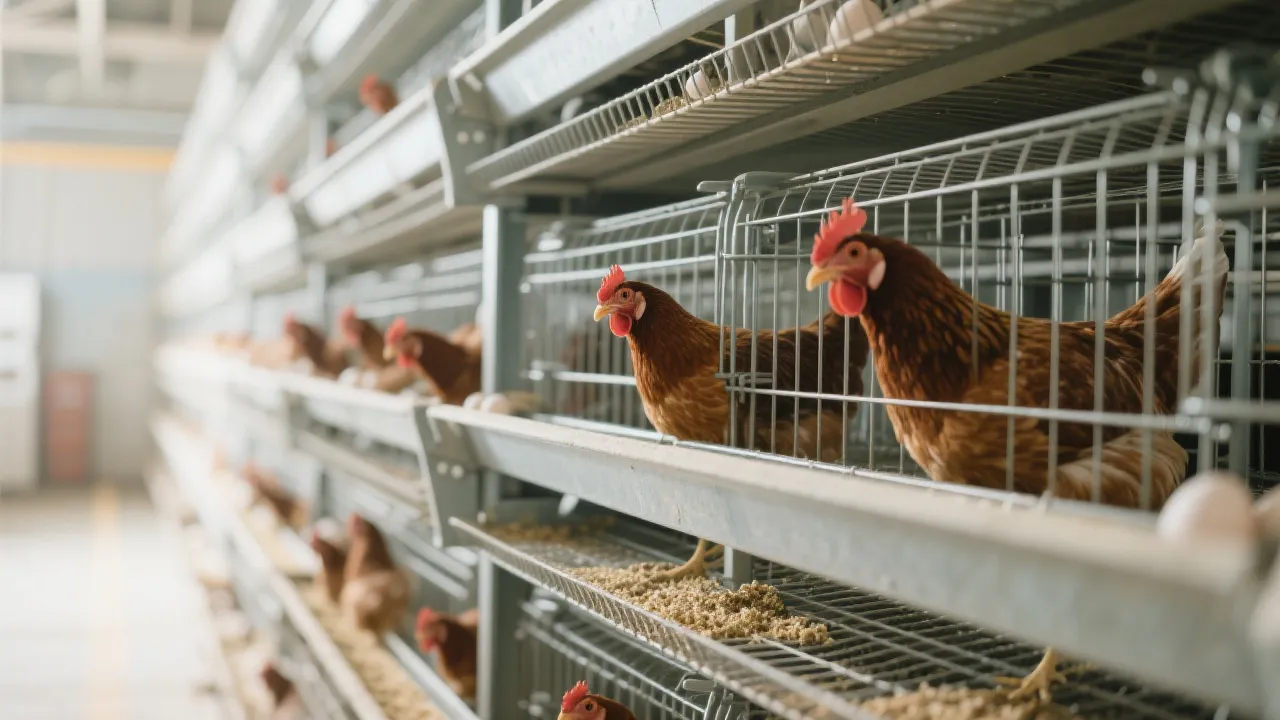
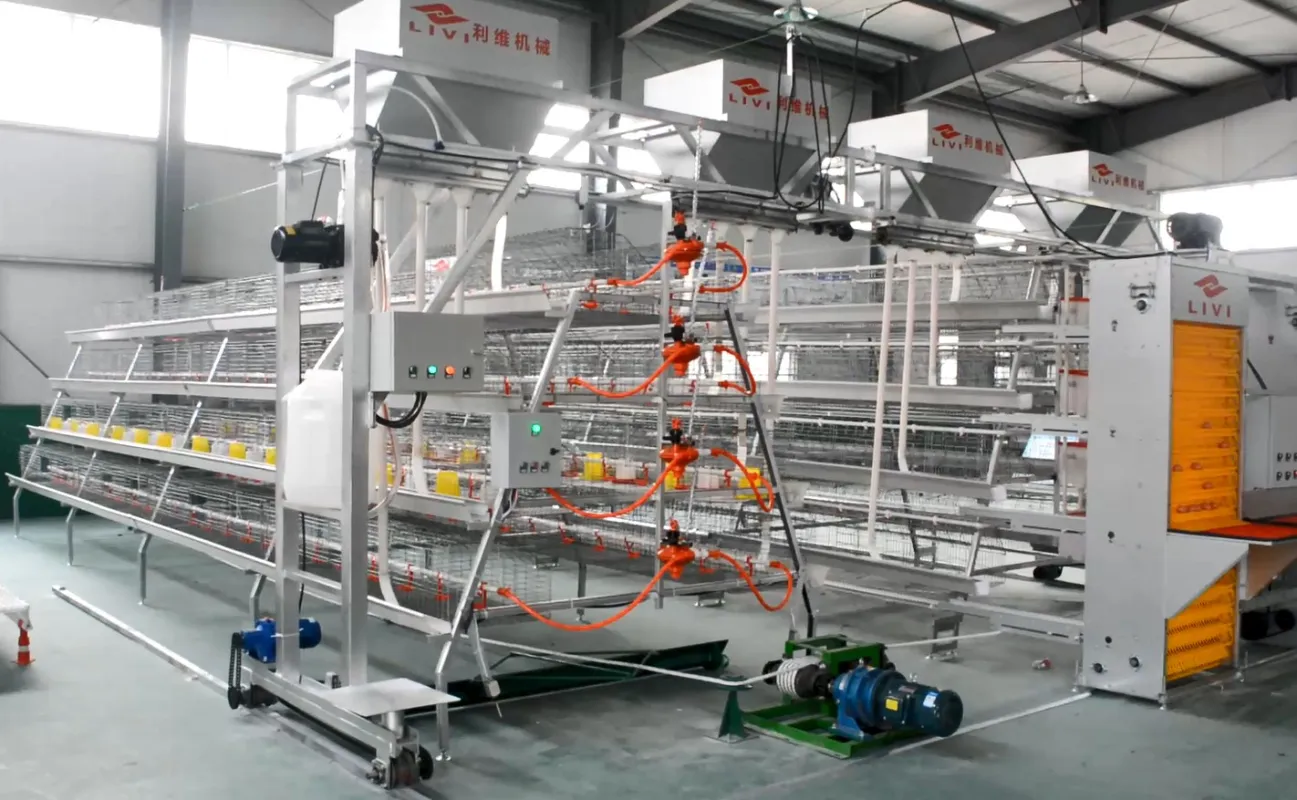
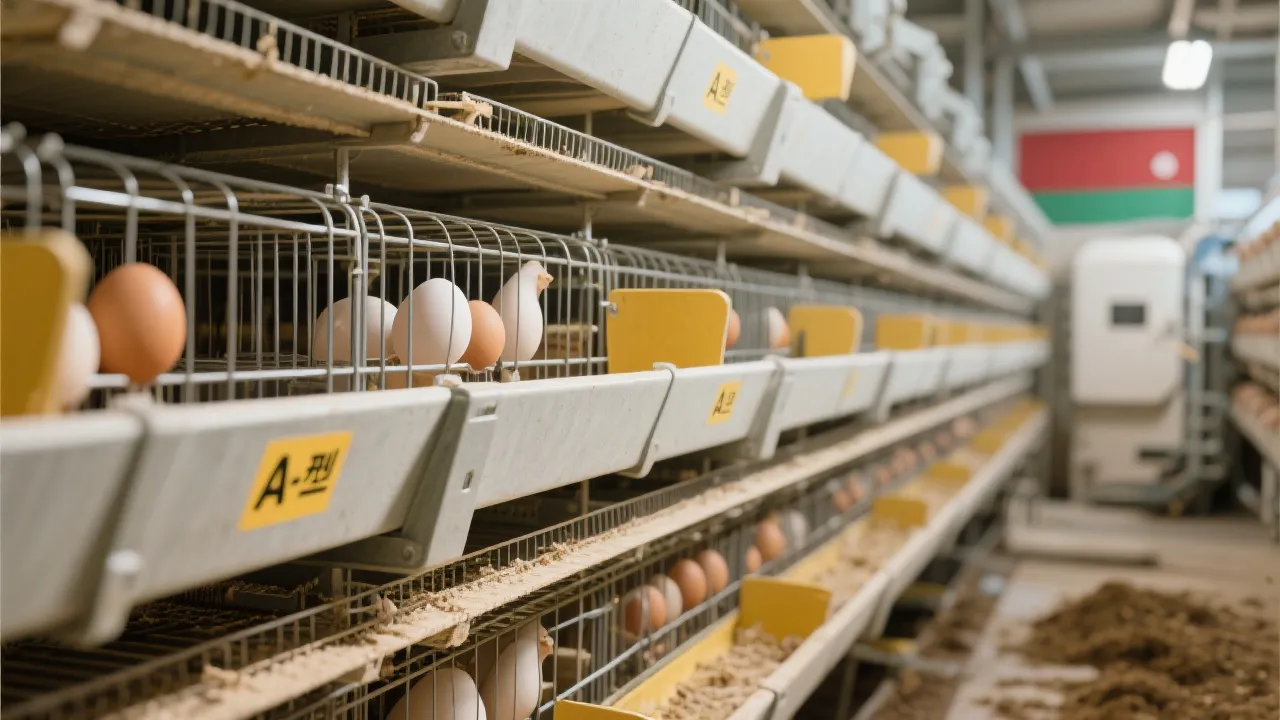
How Automated Egg Collection Systems Are Transforming Large-Scale Poultry Farms
As a poultry farm owner or manager, you know that manual egg collection is not just time-consuming—it’s also a major source of breakage, contamination, and labor inefficiency. With automation now offering measurable ROI in just 6–12 months, it's no longer a question of "if" but "which system fits your operation best."
Roller vs. Conveyor: What’s the Real Difference?
Both roller-based and conveyor-based systems aim to reduce human intervention—but their design impacts performance significantly:
| Feature | Roller System | Conveyor System |
|---|---|---|
| Avg. Collection Speed | ~1,200 eggs/hour per unit | ~1,800 eggs/hour per unit |
| Maintenance Frequency | Every 3 weeks (low friction) | Every 2 weeks (higher wear) |
| Fault Rate (Monthly) | ~0.7% | ~1.5% |
| Cleanliness Impact | Easier to clean (no belt tension issues) | Requires regular belt cleaning to avoid residue buildup |
In real-world installations across Brazil, India, and the Netherlands, farms using roller systems saw an average reduction of 22% in cracked eggs over 6 months—while conveyor users reported higher throughput but more frequent downtime due to belt slippage.
Key Questions Before You Install
Before making a decision, ask yourself:
- Do you have enough ceiling clearance? Roller systems typically need 1.2m clearance; conveyors require up to 1.5m.
- Is your power supply stable? Both systems run on 220V AC, but motors draw 1.5–2.0 kW per unit—ensure your circuit can handle peak load.
- Have you trained staff on daily checks? A simple 30-minute daily routine cuts unplanned stoppages by up to 60%.
Our client in Thailand—a 50,000-hen farm—saved $4,200/month after switching from manual to roller-based automation. They achieved this through reduced labor costs, fewer broken eggs, and better hygiene compliance.
Q: Can I retrofit my existing cage layout?
A: Yes—if cages are spaced at least 40cm apart, most roller systems integrate without structural changes.
Q: What about winter conditions?
A: Both systems perform well below freezing when properly insulated. We recommend anti-ice coatings for outdoor setups.
If you're managing a farm with more than 10,000 hens—or planning expansion—you’re likely ready for automation. The key isn’t choosing between roller or conveyor—it’s selecting the one that aligns with your current workflow, maintenance capacity, and long-term goals.
Get Your Free Installation Checklist + Technical Consultation




Hot Products

.jpg?x-oss-process=image/resize,m_fill,h_800,w_800/format,webp)


Popular articles



READY TO START?
Ready to Build Your Poultry Farm?
Tell us your land size, poultry type and farming capacity. LIVI will provide a complete farm solution for your project.