


Automated Egg Collection Systems: Boost Efficiency & Reduce Labor Costs in Modern Poultry Farms | Smart Livestock Solutions

Why Are More Overseas Poultry Farms Adopting Automatic Egg Collection Systems?
In the global push toward smart agriculture, automatic egg collection systems are no longer a luxury—they’re becoming essential for modern poultry operations. With labor shortages and rising operational costs, farms in Europe, North America, and Southeast Asia are turning to automation to improve efficiency, reduce waste, and ensure consistent quality.
The Real Pain Points Behind Manual Egg Gathering
According to industry reports from FAO and Poultry World, manual egg collection in traditional farms can lead to:
- Up to 15% egg breakage due to handling errors
- 30–40% time loss per day spent on egg picking
- Increased risk of contamination from human contact
These inefficiencies not only impact profit margins but also affect animal welfare—especially when workers rush during peak laying hours.
How It Works: A Smart System That Delivers Results
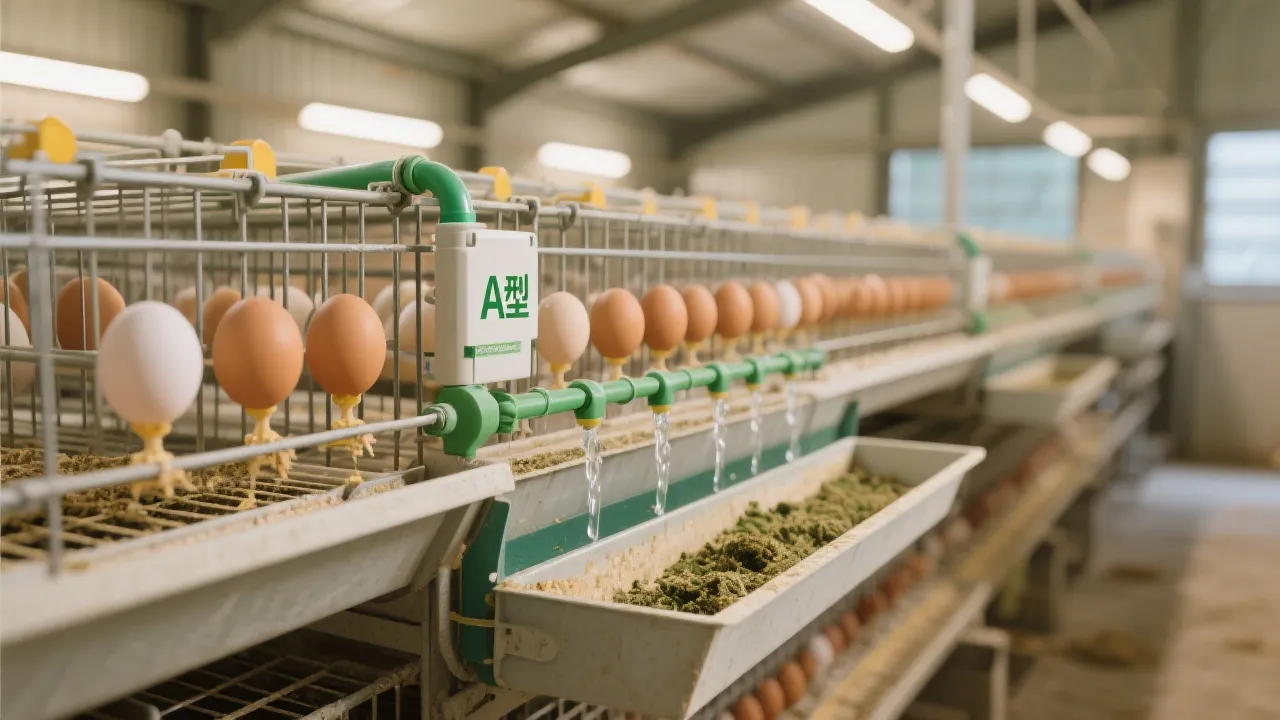
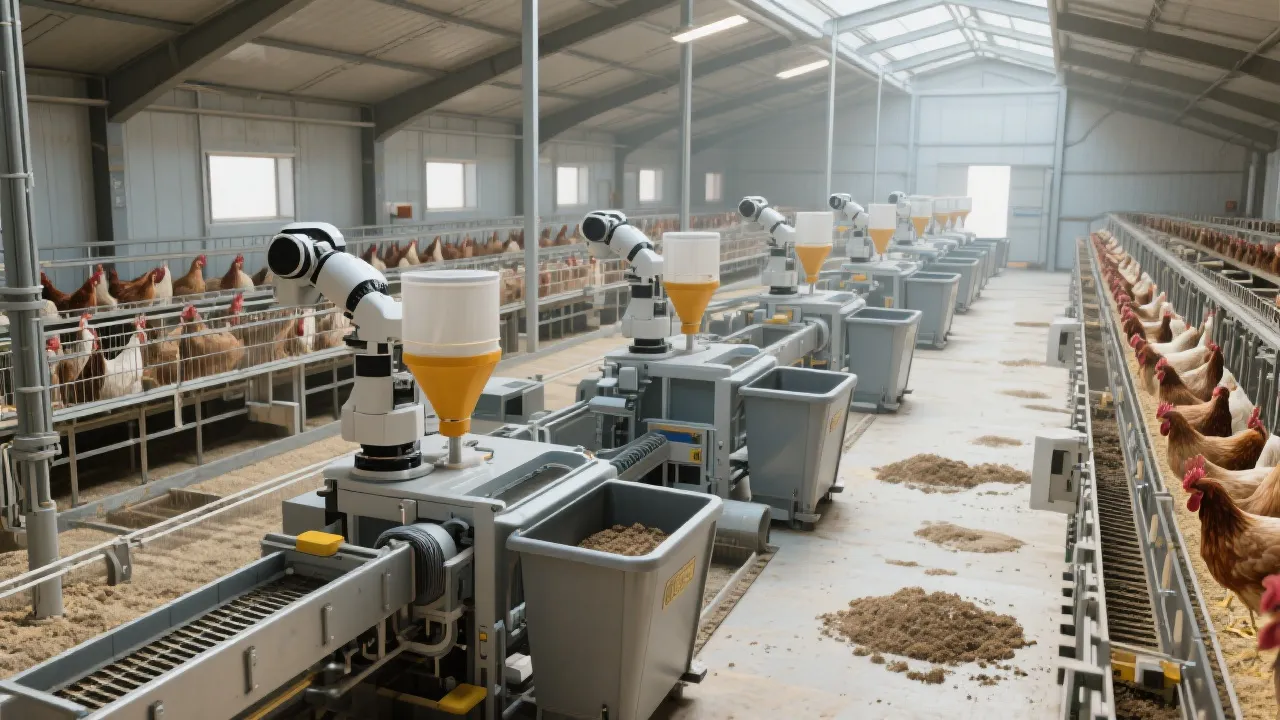
Modern automatic systems integrate three core components:
| Component | Function |
|---|---|
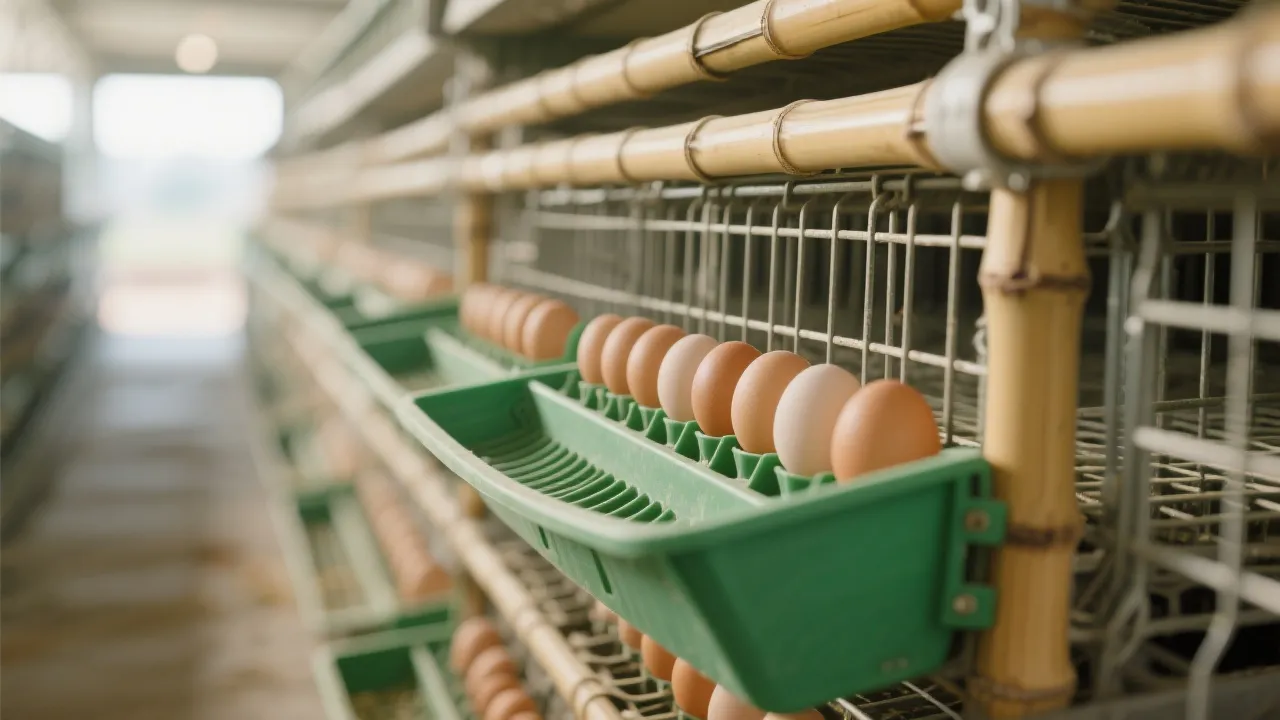
| Roller Conveyor Belt | Smoothly transports eggs from nesting area to sorting station without friction damage. |
| Smart Sensor Module | Detects egg position, size, and cleanliness using infrared imaging. |
| Automatic Sorting Unit | Classifies eggs by grade (A/B/C) based on weight, shell condition, and shape. |
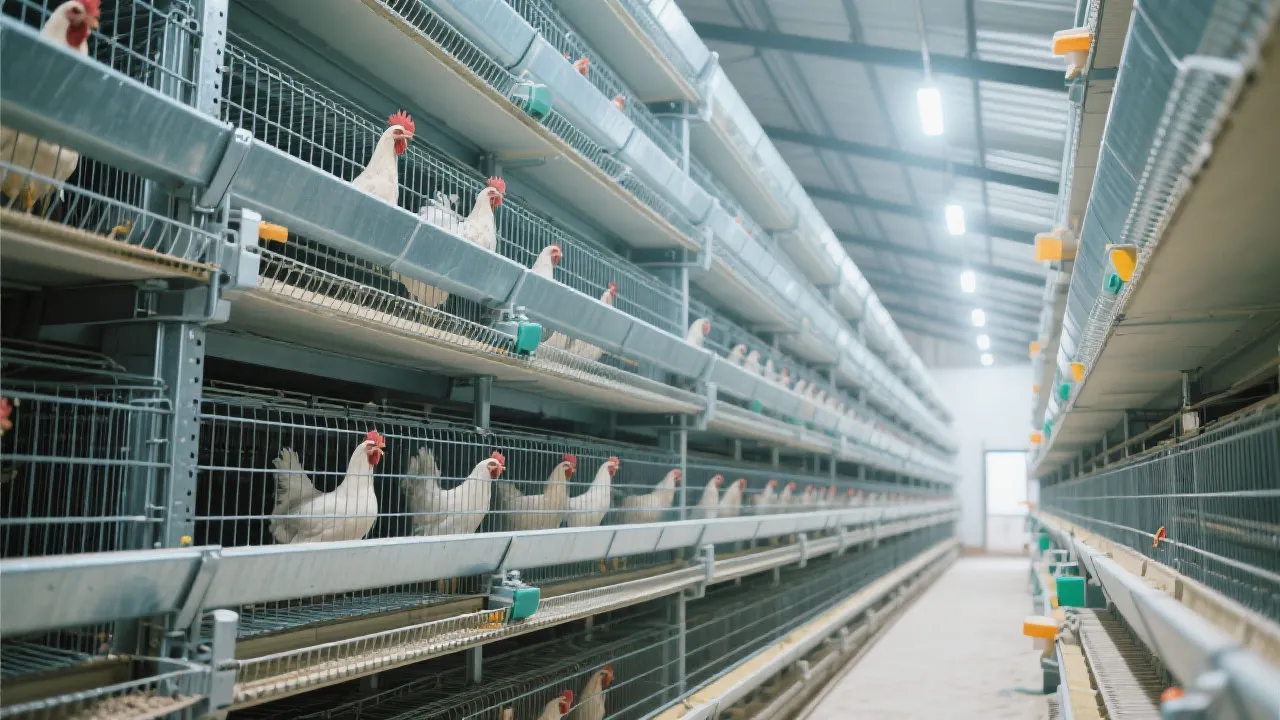
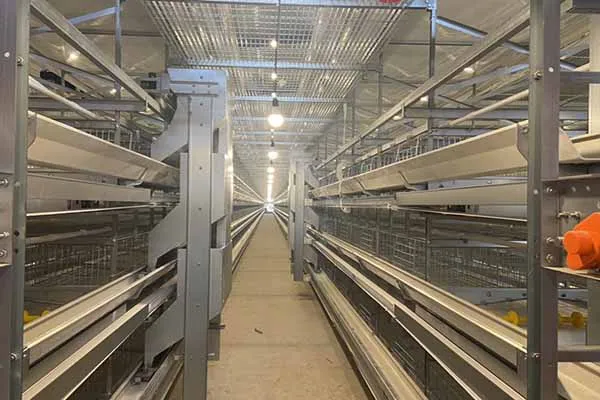
When combined with H-type chicken cages, these systems maintain optimal space utilization while reducing stress on birds—leading to a 12–18% increase in daily egg production, as seen in trials across Dutch and Thai commercial farms.
From Basic Efficiency to Advanced Optimization
For beginner users, the immediate benefit is clear: 70% reduction in labor cost and fewer broken eggs. Mid-level operators focus on how system stability changes with stocking density—typically optimized between 6–8 birds per square meter. At higher densities, real-time monitoring helps prevent bottlenecks.
Advanced users get access to predictive maintenance tools via IoT sensors that alert technicians before failures occur—a key feature adopted by leading U.S. layer farms since 2023.
FAQs You Should Know Before Investing
- Is it suitable for small-scale farms? Yes—compact models start at 1,000 hens and scale up seamlessly.
- What about electricity requirements? Most units run on standard 220V/3-phase power, with optional solar backup options.
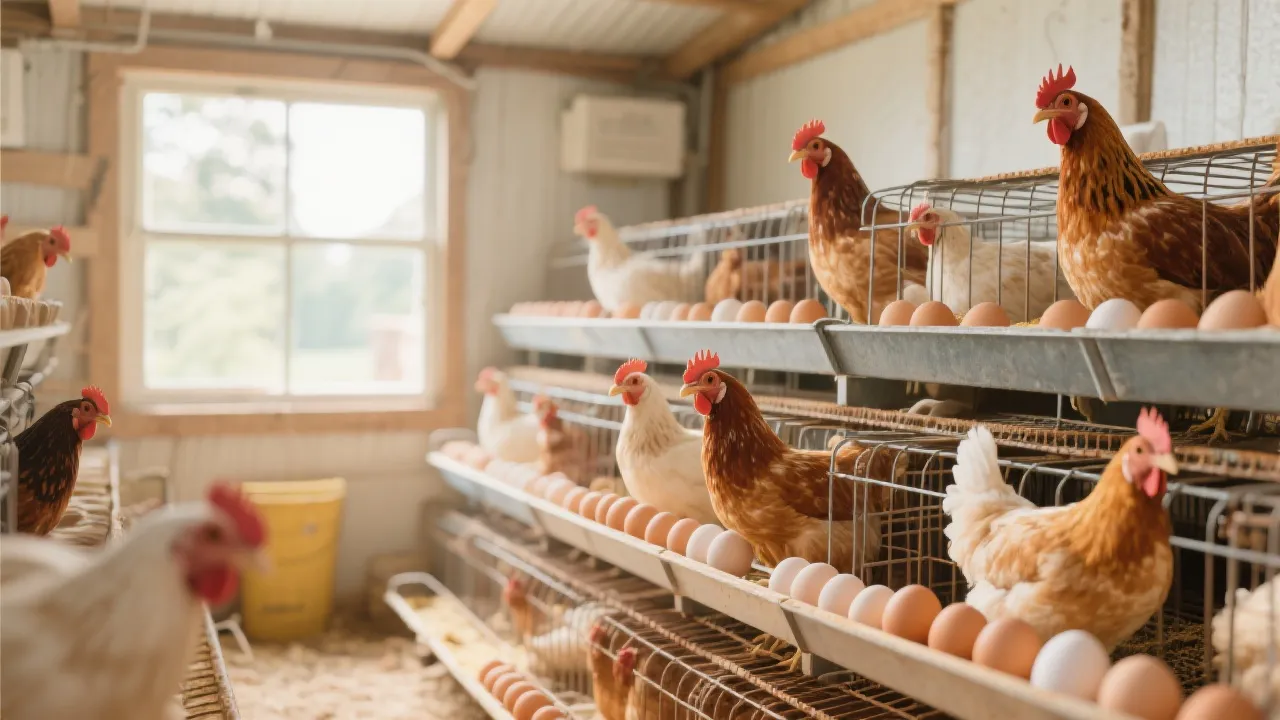
- Do chickens adapt quickly? Studies show adaptation within 3–5 days, especially when integrated with existing cage designs like H-type structures.
Ready to transform your poultry operation? Whether you're managing 5,000 or 50,000 layers, our team provides tailored solutions—from installation support to ongoing technical training.
Explore Smart Farming Solutions






Hot Products

.jpg?x-oss-process=image/resize,m_fill,h_800,w_800/format,webp)


Popular articles





READY TO START?
Ready to Build Your Poultry Farm?
Tell us your land size, poultry type and farming capacity. LIVI will provide a complete farm solution for your project.