


Automated Egg Collection System Maintenance & Troubleshooting for High-Efficiency Poultry Farming
Automatic Egg Collection System Maintenance and Troubleshooting Guide: Ensuring Efficient and Stable Operation
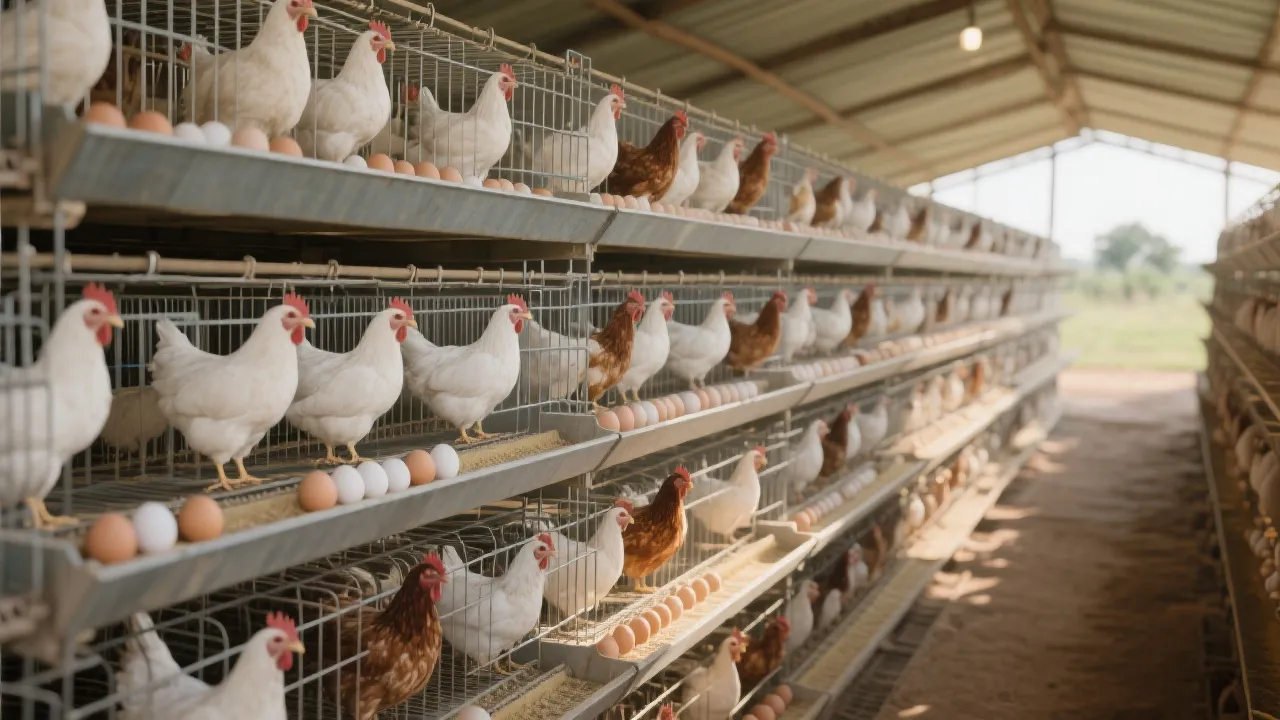
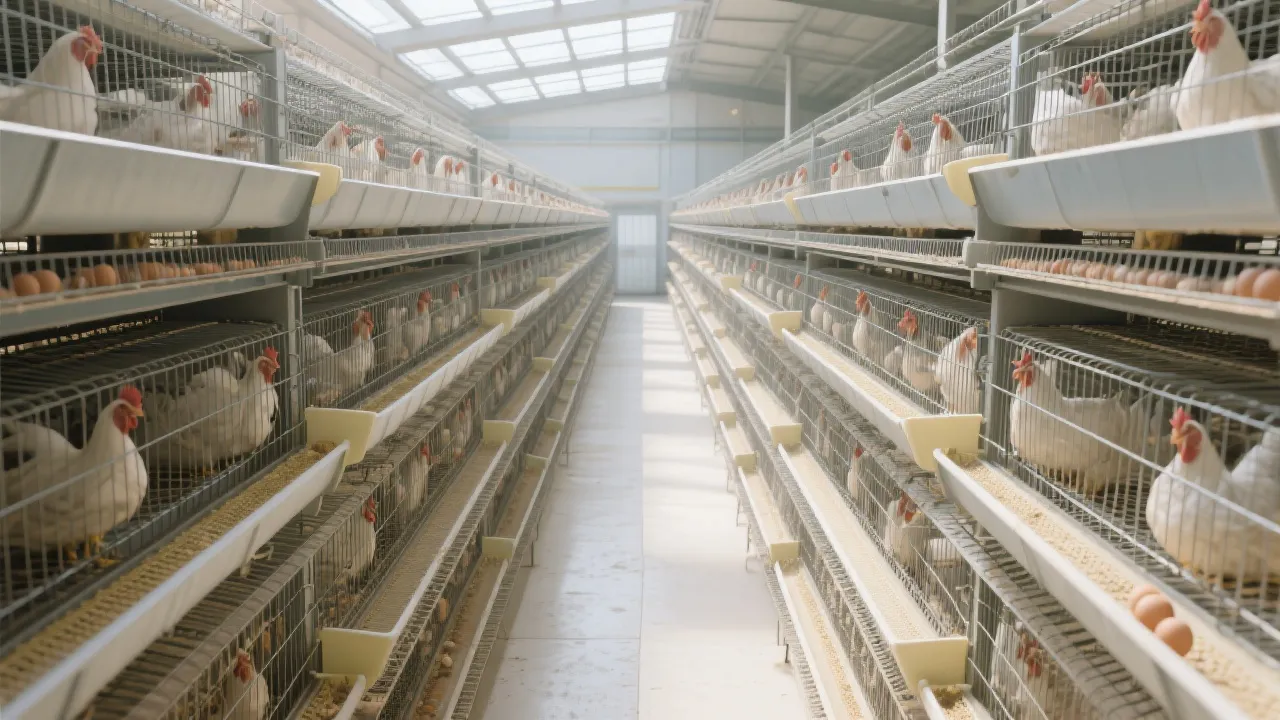
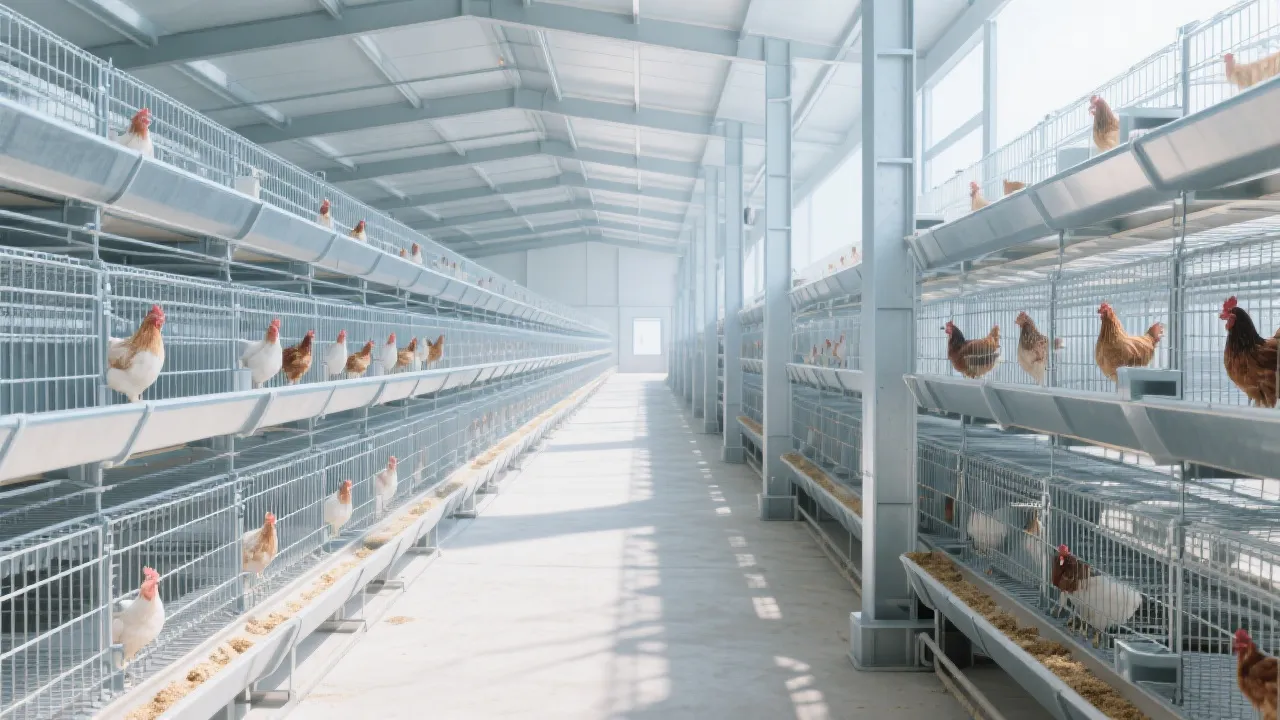
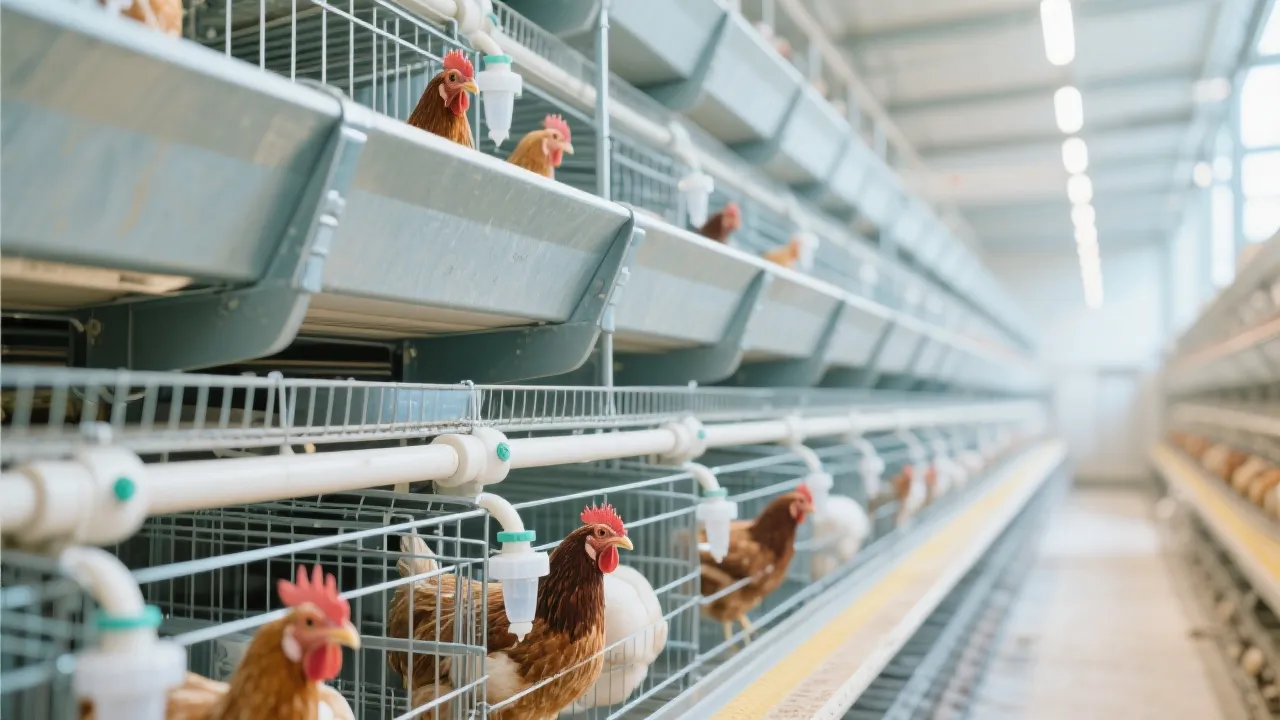
The automatic egg collection system integrated into Zhengzhou Livi Machinery’s high-efficiency H-type layer cages represents a leap forward in modern poultry farming. By utilizing core technologies—such as roller conveyor belts, sensor recognition devices, and sorting modules—this system offers seamless automation of the egg collection process. It effectively minimizes manual labor, enhances egg quality, and boosts production efficiency, making it an indispensable asset for poultry operations aiming to optimize performance and hygiene standards.
Core Components and Working Principle of the Automatic Egg Collection System
The automatic egg collection system is engineered around three main components:
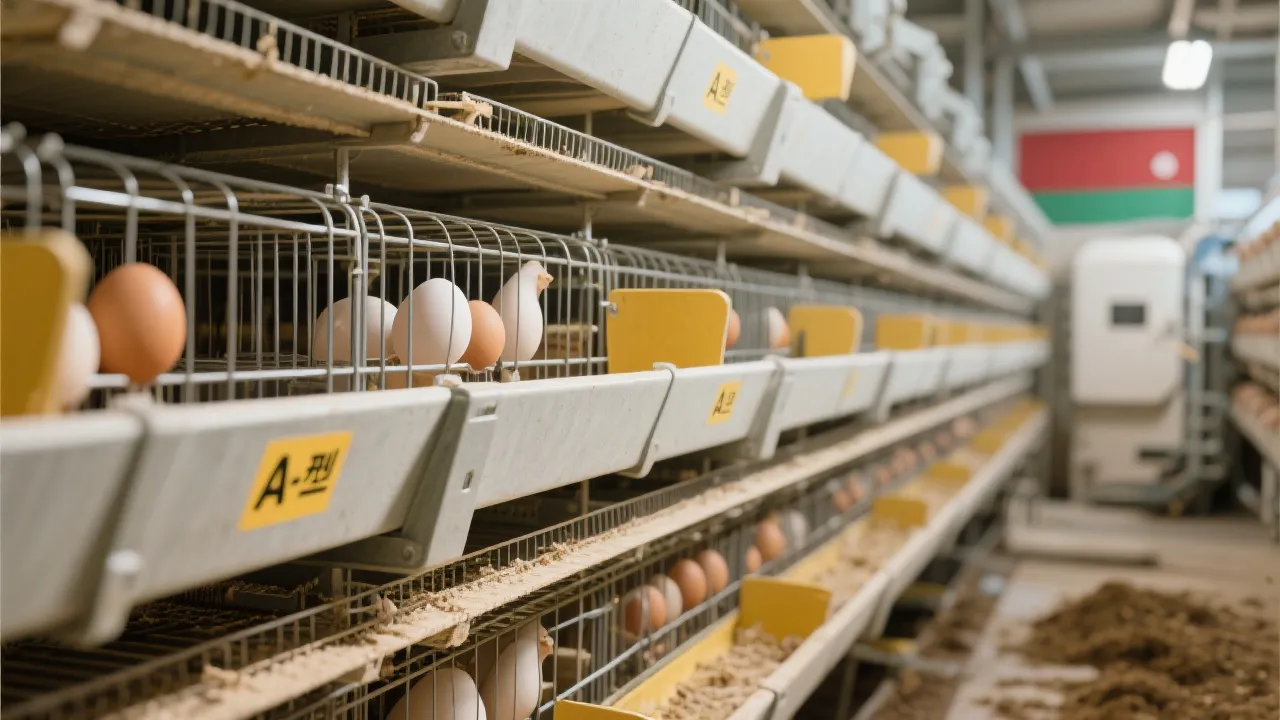
- Roller Conveyor Belt: Transports eggs smoothly from the cage to the collection point, mitigating breakage by controlling speed and cushioning impact.
- Sensor Recognition Devices: Utilizes infrared or optical sensors to detect and verify egg presence, ensuring accurate collection without bottlenecks or loss.
- Sorting Modules: Automate the categorization of eggs based on size or quality parameters, streamlining packaging and further processing.
These components are designed to integrate flawlessly with the H-type egg layer cage structure. Their compact installation does not compromise cage ventilation or bird comfort, maintaining optimal hens’ welfare.
Addressing Labor Cost and Hygiene Challenges with Automation
Traditional egg collection methods rely heavily on manual labor, which incurs significant operating expenses and can contribute to inadvertent egg contamination or breakage. The automatic system reduces labor involvement by up to 70%, according to industry benchmarks, while consistently improving egg cleanliness due to reduced human contact.
Improved hygiene not only promotes farm biosecurity but also extends the shelf life and market value of the eggs. This automation aligns with global trends toward sustainable and smart farming practices, favored by regulators and consumers alike.
System Performance Across Varying Farm Scales and Stocking Densities
| Stocking Density (birds/m²) | Average Daily Egg Collection Efficiency (%) | Impact on Hen Comfort |
|---|---|---|
| 5-7 (Low) | 98.5% | Minimal Stress |
| 8-10 (Medium) | 96.2% | Stable Comfort Levels |
| 11-13 (High) | 92.8% | Requires Monitoring |
Data compiled from field operations demonstrates the automatic egg collection system sustains high reliability even at medium to high stocking densities. However, to preserve hen welfare and maximize throughput, farms with densities above 10 birds/m² should implement periodic monitoring and adjustment protocols.
Step-by-Step Maintenance and Troubleshooting Recommendations
Proactive maintenance is key to continuous operation. Below is a practical checklist for operators:
- Daily Inspection: Check conveyor belts for debris or damage; clean sensors to prevent false readings; verify sorting accuracy.
- Weekly Lubrication: Apply recommended lubricants to roller bearings and moving joints to reduce wear.
- Monthly System Calibration: Test sensor sensitivity and adjust conveyor speed to adapt to changes in egg size or production volume.
- Fault Diagnosis: Use error codes displayed on control units for troubleshooting. Common issues include sensor misalignment and conveyor motor jams.
- Emergency Protocols: In case of system failure, switch to manual collection temporarily while initiating technician support.
Adhering to this schedule has proven to decrease downtime by approximately 30% and reduce unexpected maintenance costs.
Aligning with Green Agriculture and Smart Farming Trends
The automation of egg collection fits seamlessly into broader trends in intelligent livestock farming and environmentally sustainable agriculture. By minimizing human intervention, farms can reduce carbon footprints linked to labor transport and energy inefficiencies. Integrating IoT-enabled sensors with this system also facilitates data-driven decision-making for optimal resource use.
Government incentives for adopting green technologies provide compelling business cases to invest in such automation, ensuring long-term operational viability.


Hot Products

.jpg?x-oss-process=image/resize,m_fill,h_800,w_800/format,webp)


Popular articles



READY TO START?
Ready to Build Your Poultry Farm?
Tell us your land size, poultry type and farming capacity. LIVI will provide a complete farm solution for your project.