


Automated Egg Collection Solutions for International Poultry Farmers: Efficiency, Reliability, and Hygiene in Practice

Efficient Egg Collection Solutions for Global Poultry Farmers
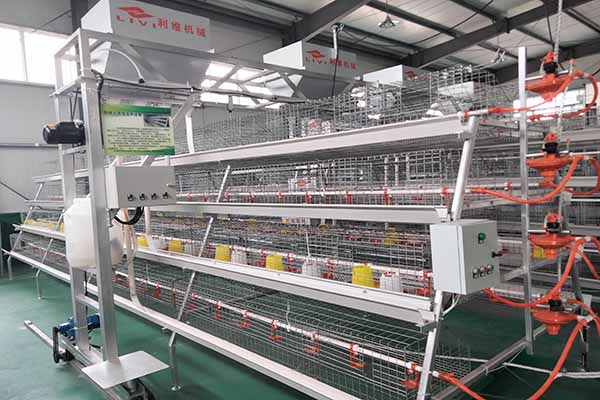
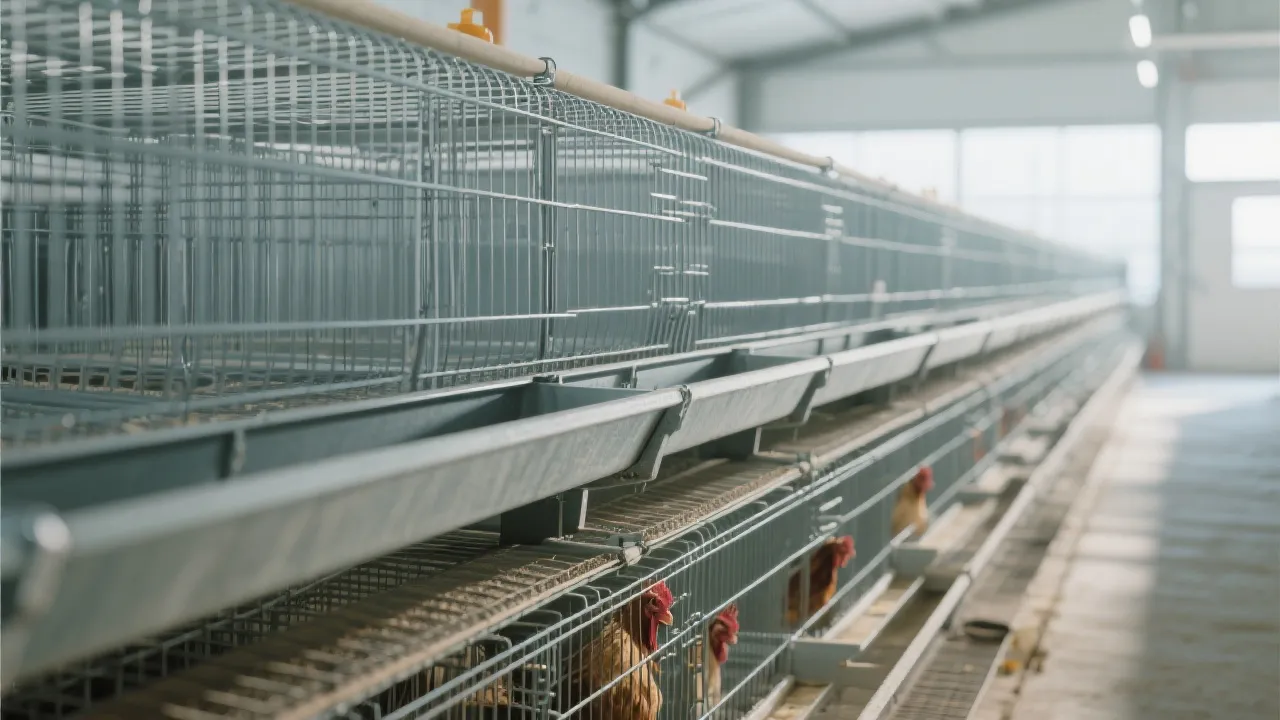
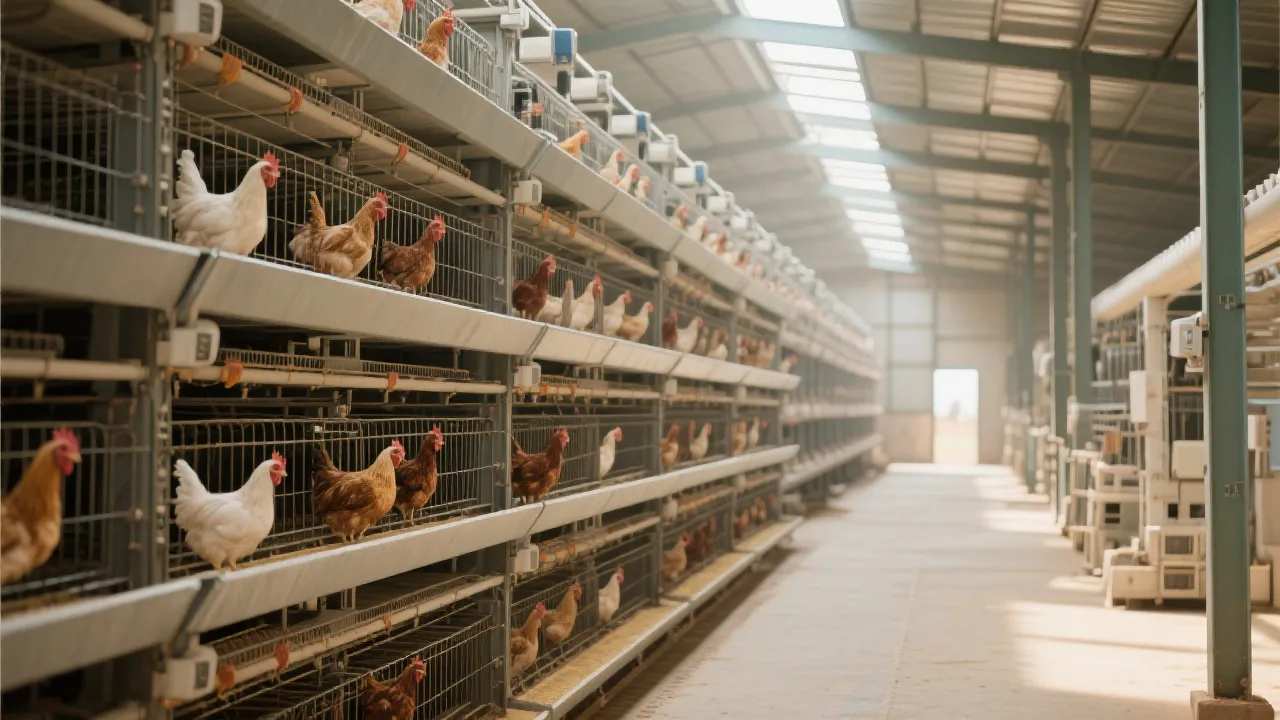
As global demand for high-quality eggs rises, poultry farmers are increasingly turning to automation—not just as a trend, but as a necessity. The shift from manual egg collection to automated systems like H-type layer chicken cages with integrated roller or conveyor belt mechanisms has proven transformative in real-world farms across Europe, North America, and Southeast Asia.
How It Works: Two Proven Systems Compared
Roller-based systems (commonly used in medium-to-large operations) offer smooth, low-friction movement of eggs directly into bins—reducing breakage by up to 40% compared to hand-picking. Conveyor belts, on the other hand, excel in larger-scale setups where consistent flow is key. In a case study from a 15,000-bird farm in the Netherlands, roller systems achieved an average collection speed of 750 eggs/hour per worker, while traditional methods averaged only 420 eggs/hour—a 78% improvement.
| Feature | Roller System | Conveyor Belt |
|---|---|---|
| Avg. Speed (eggs/hr) | 750 | 900 |
| Fault Rate (monthly) | 1.2% | 0.8% |
| Cleaning Time (per cycle) | 15 mins | 25 mins |
These numbers aren’t just impressive—they’re game-changers. A Texas-based breeder reported a 22% drop in egg loss due to cracks after switching to a roller-based system, translating into over $12,000 annual savings in product waste alone.
Real-World Impact: From Manual to Smart Farming
In Thailand, a family-run farm with 8,000 hens saw their labor costs decrease by 35% within six months of installing an H-type cage system paired with a semi-automatic egg collector. Their workers shifted from repetitive, physically taxing tasks to monitoring equipment health and optimizing feed schedules—boosting both productivity and job satisfaction.
Before You Install: Key Evaluation Checklist
Success starts before installation. Here’s what top-performing farms do first:
- Measure available space—ensure at least 1.5m clearance above the cage for maintenance access
- Verify electrical load capacity: most systems require 220–240V, 10A per unit
- Plan staff training: 2-day sessions reduce early operational errors by up to 60%
- Review local regulations on animal welfare and hygiene standards
Download our free Installation Readiness PDF—it includes layout templates, wiring diagrams, and a checklist tailored to your facility size.
Pro Tip: Regular cleaning every 3 days cuts down on bacterial buildup and extends system life by up to 3 years. Use non-abrasive brushes and pH-neutral cleaners recommended by Livi Machinery technicians.
If you're ready to make your operation more efficient, scalable, and profitable—whether you manage 5,000 or 50,000 birds—the next step is simple:
Get Your Free Customized Optimization Plan Now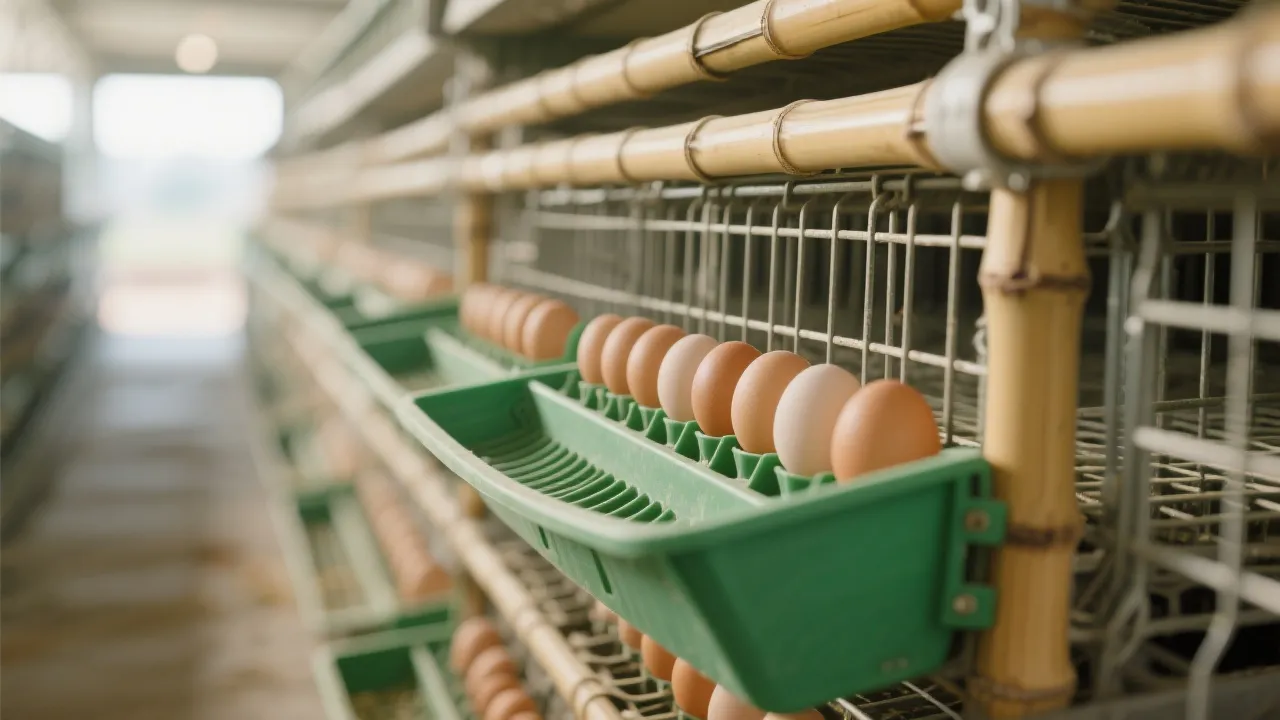



Hot Products

.jpg?x-oss-process=image/resize,m_fill,h_800,w_800/format,webp)






READY TO START?
Ready to Build Your Poultry Farm?
Tell us your land size, poultry type and farming capacity. LIVI will provide a complete farm solution for your project.