


Analysis of the Impact of Ventilation Systems on Laying Hen Health: Key Technical Knowledge to Improve Egg Production Rate
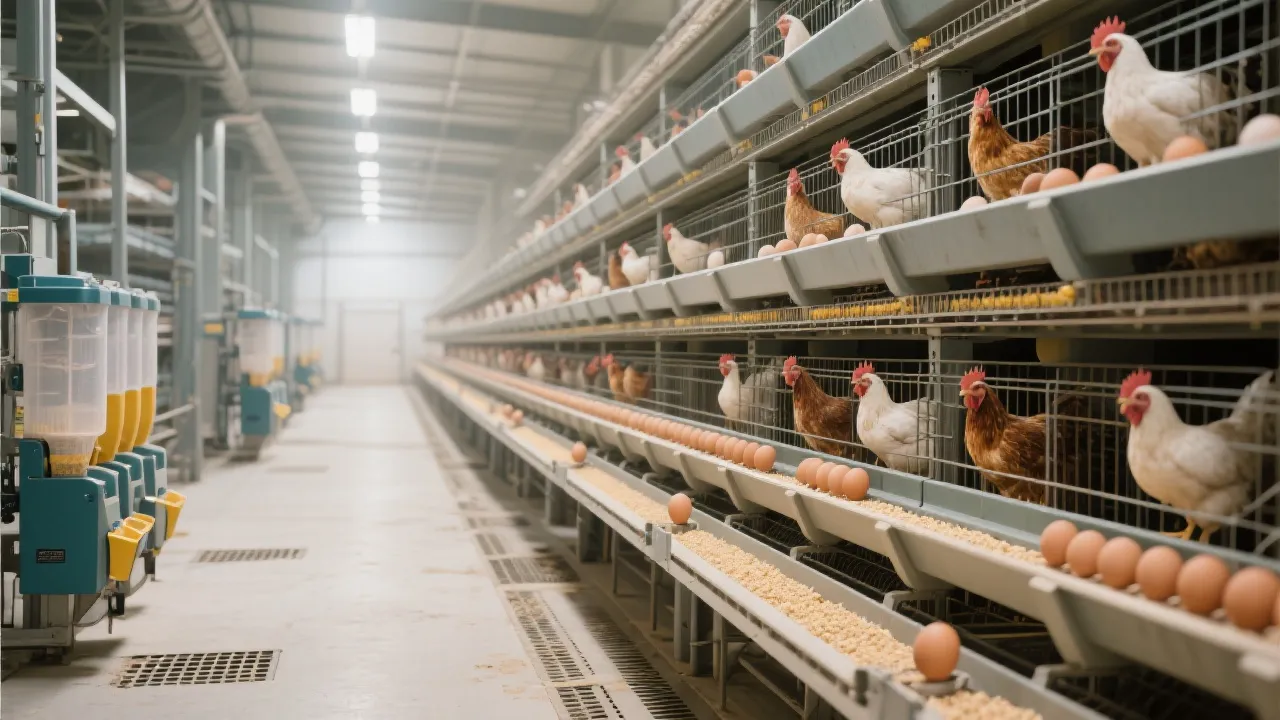
Hey there, fellow poultry farmers! In the journey of egg - laying hen farming, you've probably noticed that the ventilation system plays a crucial role in the health of your hens and the efficiency of egg production. Let's dive deep into this topic and see how you can optimize it for better results.
The Risks of Poor Ventilation
Picture this: a hot and humid summer day in your hen house. Without proper ventilation, the air becomes stagnant, and a series of problems start to emerge. High levels of ammonia build up, which is extremely harmful to the respiratory systems of your hens. In fact, studies have shown that in poorly - ventilated hen houses, the incidence of respiratory diseases can increase by up to 30%. And here's the kicker - this directly impacts your bottom line. Hens suffering from respiratory issues have a reduced egg - laying rate. In some cases, you might see a 15 - 20% drop in egg production.
The Innovation of H - Type Laying Hen Cages
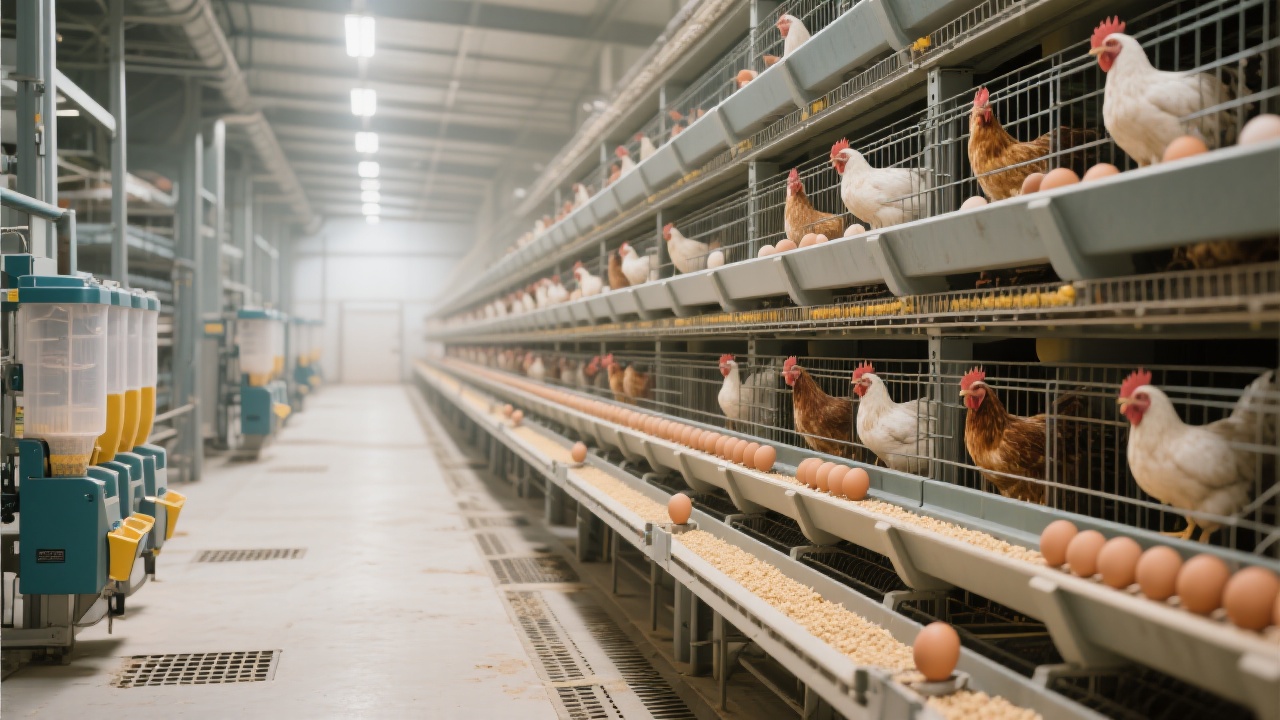
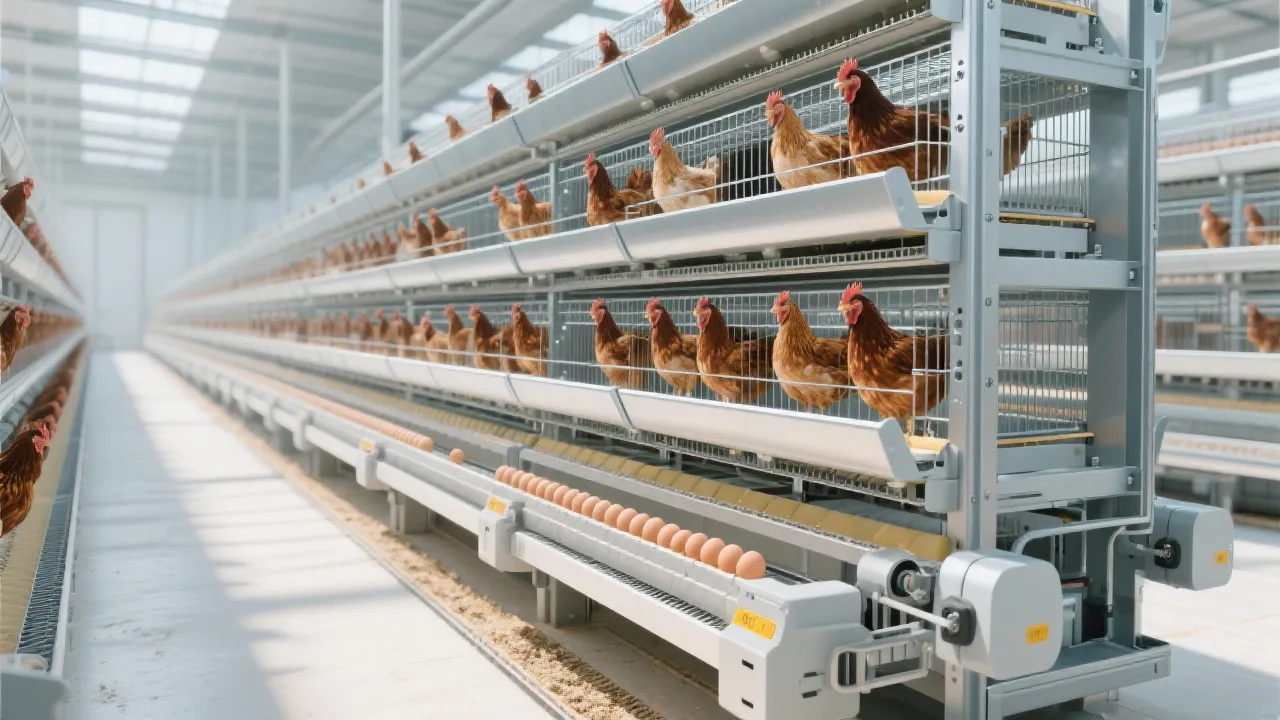
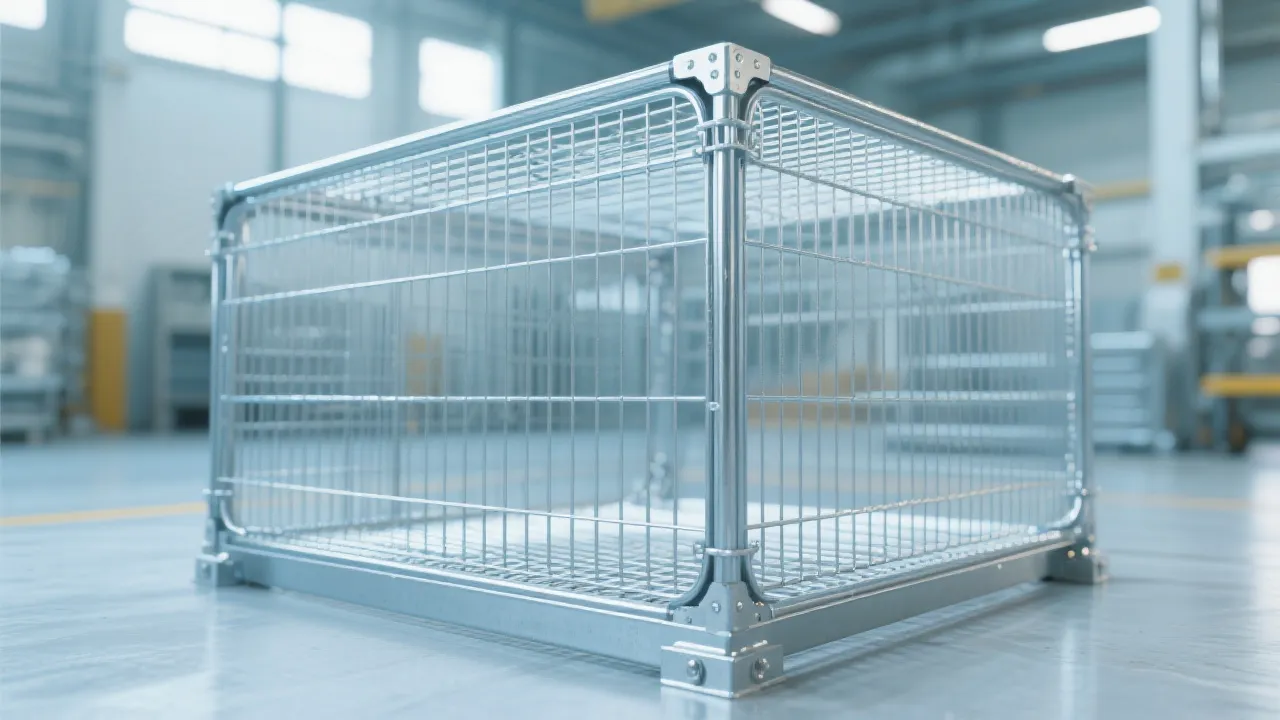
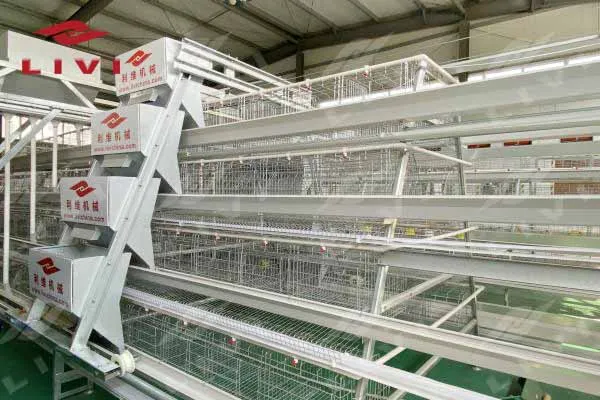
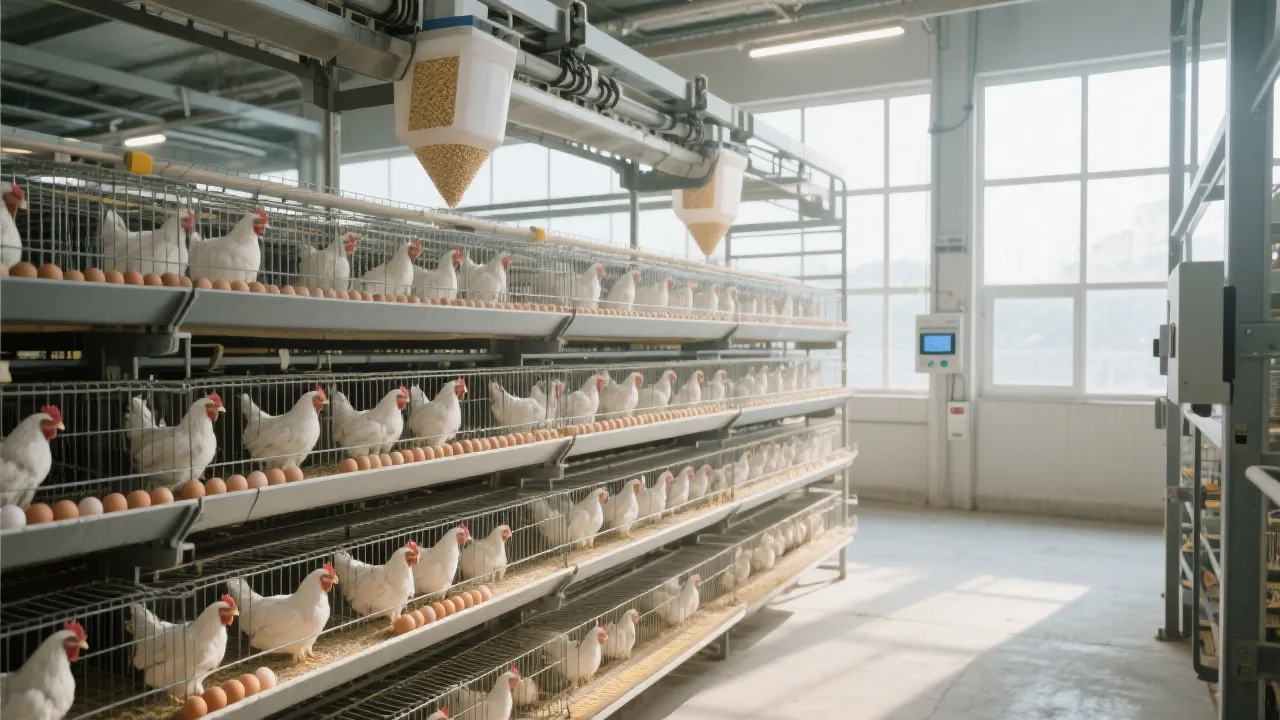
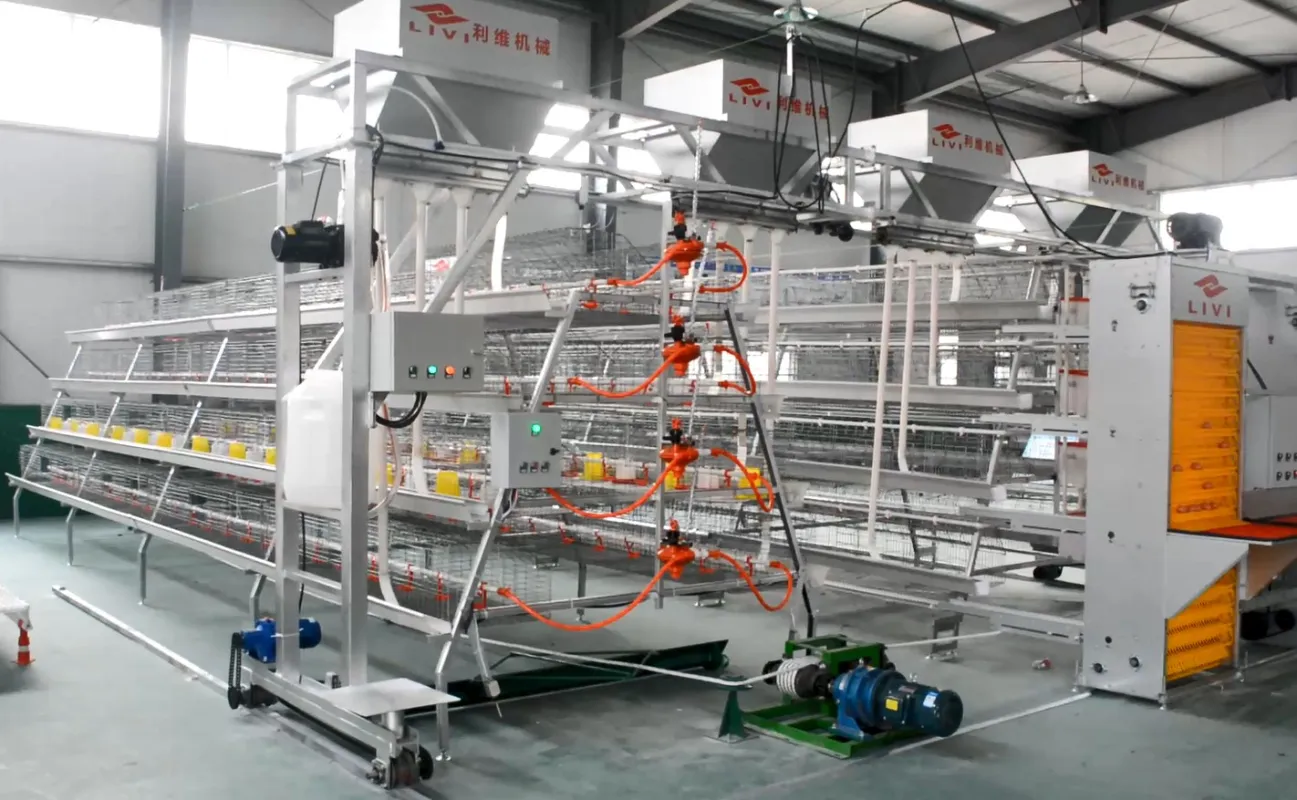
Now, let's talk about the H - type laying hen cages from Zhengzhou Livi Machinery. These cages are a game - changer when it comes to ventilation. The cage's structure is designed with scientific precision. The mesh layout and the gaps between layers are carefully calculated to promote air circulation. Think of it like a well - designed apartment building. Each 'apartment' (or cage) has its own proper airflow, ensuring that every hen can breathe fresh air.
By using the combination of natural wind pressure and mechanical ventilation, these cages create an air convection effect. Just like how a gentle breeze on a summer day can cool you down, this air convection effectively controls the ammonia concentration and stabilizes the temperature and humidity in the hen house. This stable environment is like a paradise for your hens, allowing them to thrive and lay eggs more efficiently.
Common Ventilation Mistakes and Their Causes
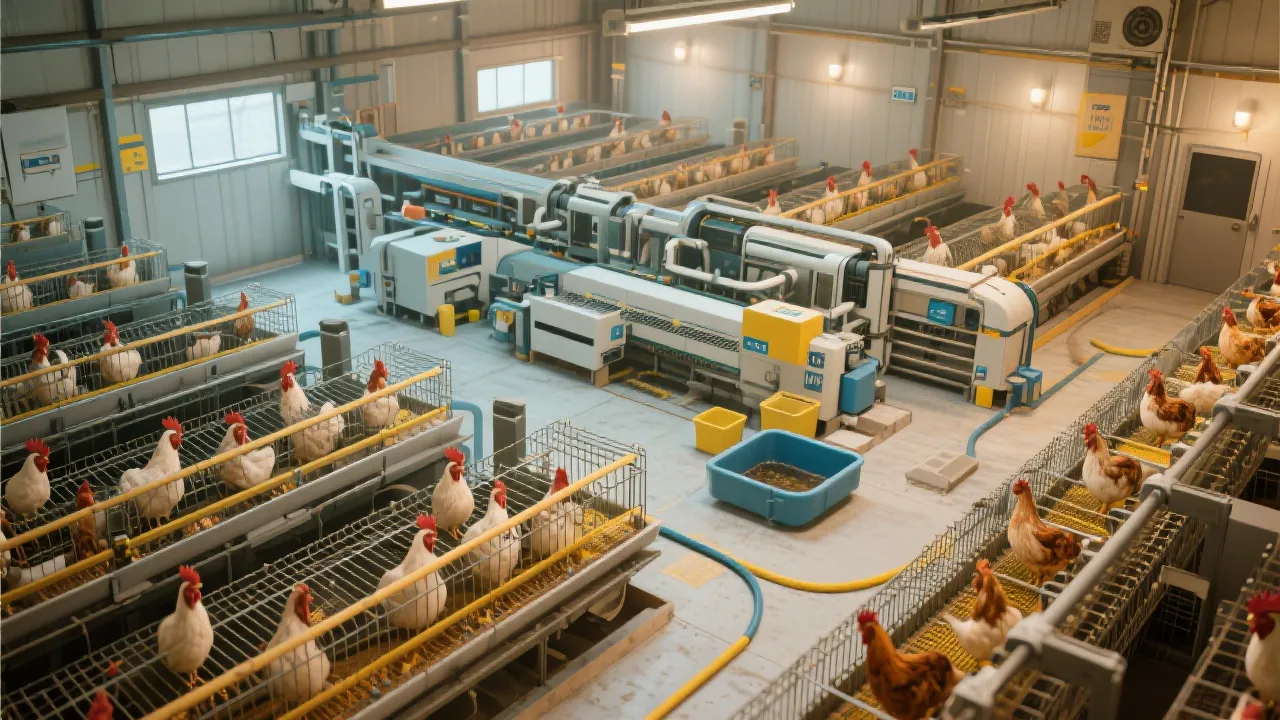
You might be making some ventilation mistakes without even realizing it. One common issue is the existence of airflow dead spots in the hen house. These are areas where the air hardly moves, and ammonia and other harmful gases accumulate. This usually happens when the layout of the ventilation equipment is not well - thought - out. Another problem is excessive ammonia buildup, which can be caused by overcrowding in the cages or insufficient ventilation power.
Practical Solutions for Ventilation Optimization
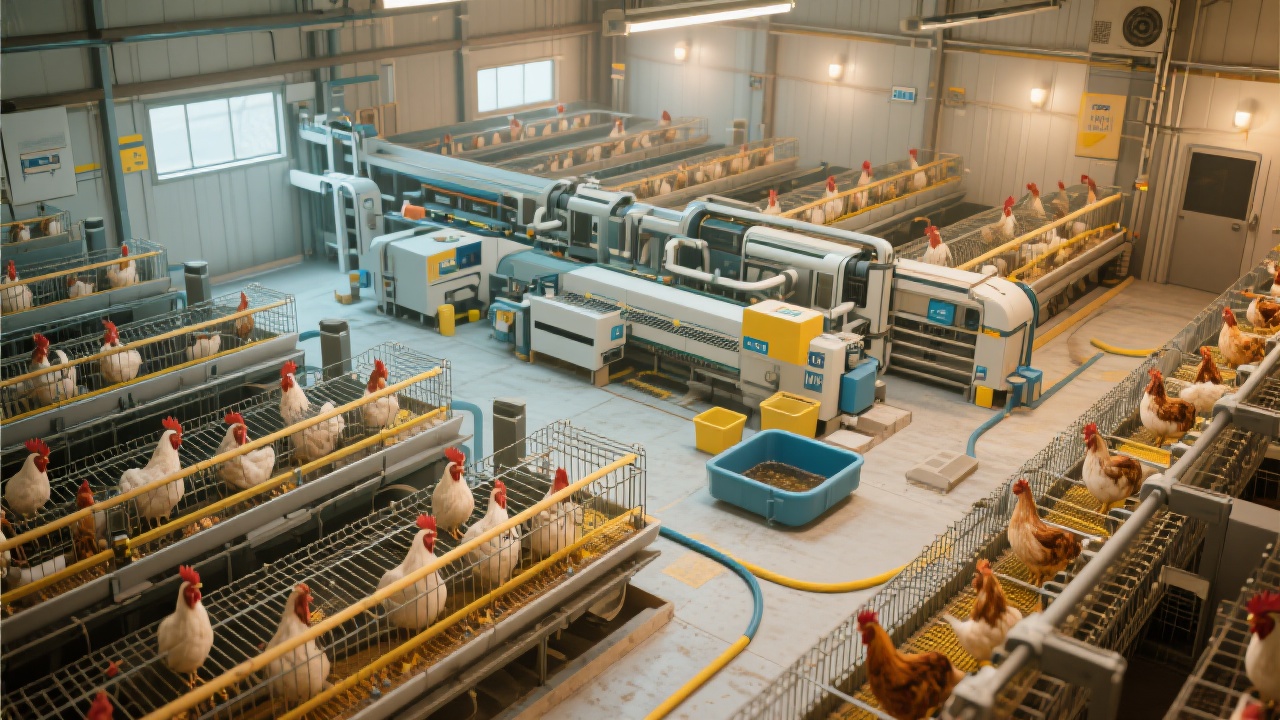
So, what can you do to fix these problems? First, consider adjusting the layout of your exhaust fans. Place them in strategic locations to ensure that there are no airflow dead spots. You can also optimize the spacing between the cages. A little extra space can make a big difference in air circulation. And don't forget about technology! Introducing smart sensors to monitor the air quality in the hen house is a great idea. These sensors can detect changes in ammonia levels, temperature, and humidity in real - time and send you alerts if something goes wrong.
Real - World Results
Let's take a look at a real - life example. A poultry farm in Shandong province used to have a lot of problems with poor ventilation. Their hens were getting sick often, and the egg - laying rate was low. After they switched to the H - type laying hen cages from Zhengzhou Livi Machinery and optimized their ventilation system, things started to change. Within three months, the incidence of respiratory diseases dropped by 25%, and the egg - laying rate increased by 18%. This is a clear indication that with the right ventilation solutions, you can achieve both healthy hens and higher profits.
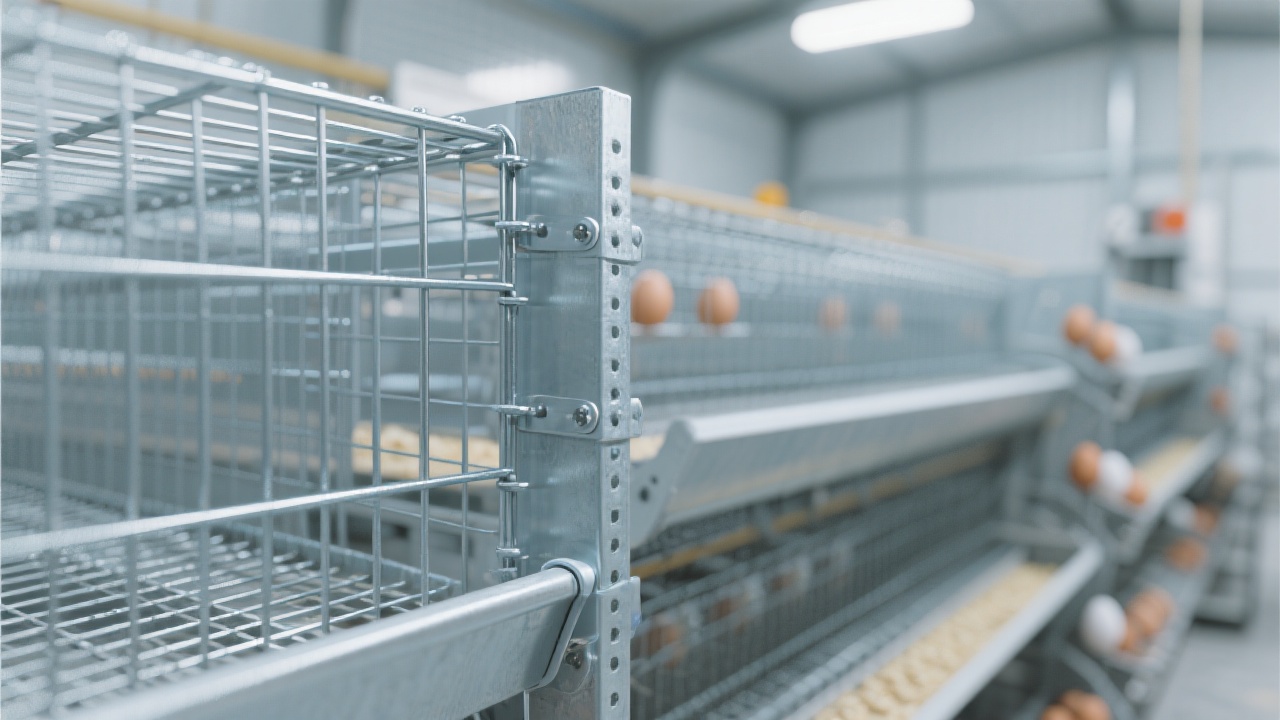
Are you facing similar ventilation problems in your hen house? Leave a message below and share your experiences. And if you want to learn more about the H - type laying hen cages or get personalized advice from our technical experts, click here.


Hot Products

.jpg?x-oss-process=image/resize,m_fill,h_800,w_800/format,webp)


Popular articles



READY TO START?
Ready to Build Your Poultry Farm?
Tell us your land size, poultry type and farming capacity. LIVI will provide a complete farm solution for your project.