


Aluminum-Zinc Coating in Poultry Ventilation Systems | Improve Egg Production & Equipment Life

Why Aluminum-Zinc Coated Ventilation Systems Are a Game-Changer for Layer Chicken Farms
For large-scale layer farms, consistent temperature and humidity control isn’t just about comfort—it’s directly tied to egg production efficiency. According to research from the University of Georgia, a 3°C rise in ambient temperature during summer can reduce daily egg output by up to 7%, while high humidity exacerbates heat stress and increases mortality rates.
Smart Airflow Design: Side Inlet + Top Exhaust = Stable Environment
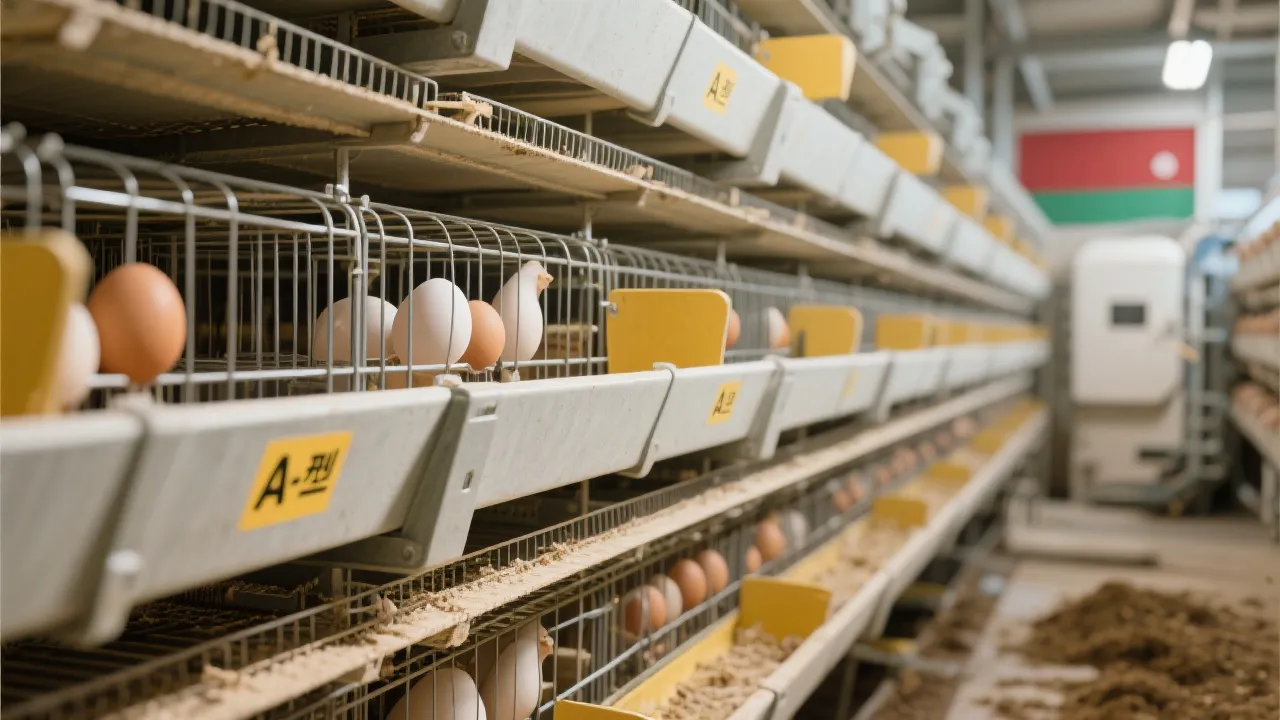
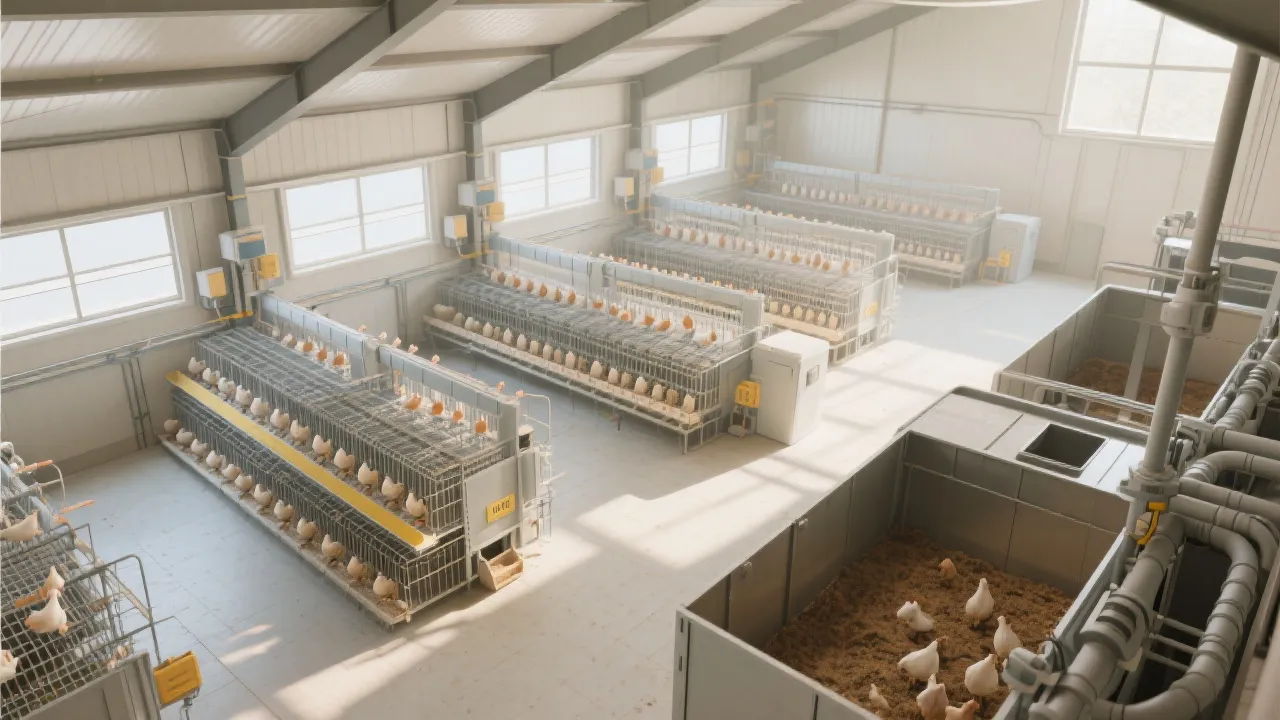
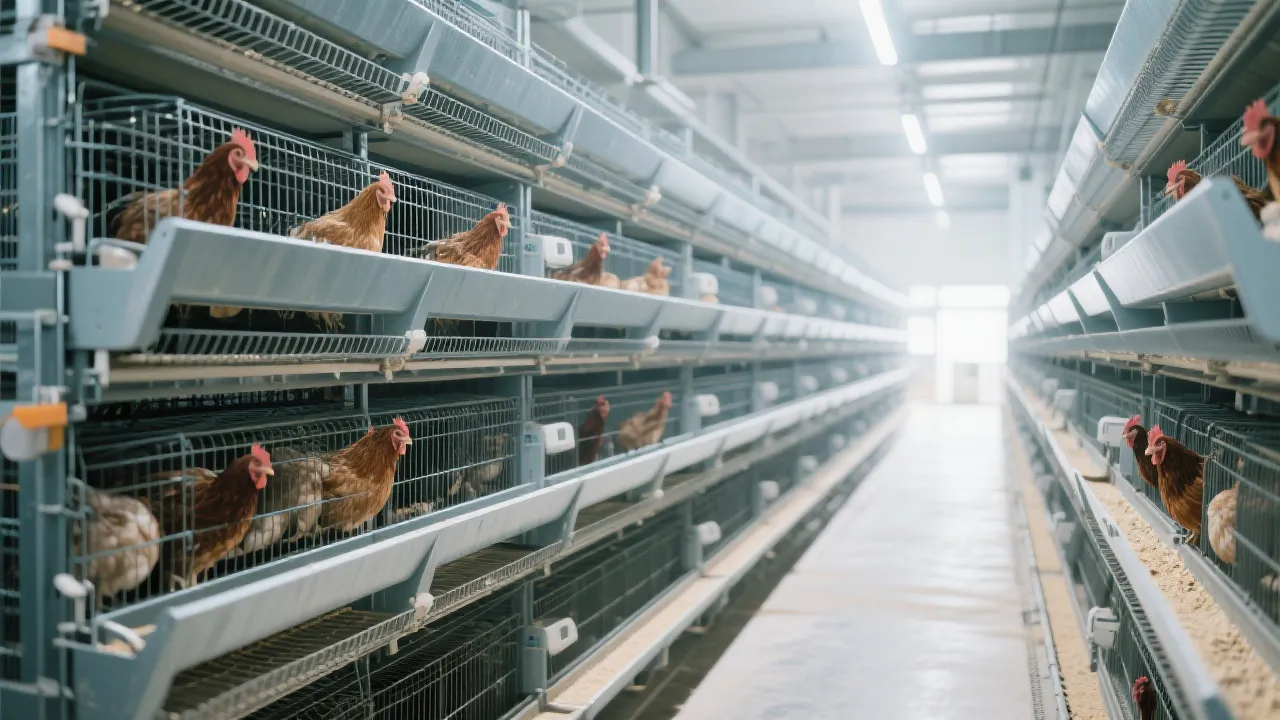
The key to minimizing thermal stress lies in intelligent airflow management. Our H-type layer cages integrate side-wall intake vents paired with ceiling-mounted exhaust fans—a proven configuration that ensures fresh air enters at bird level while warm, moist air is efficiently removed from the top. This creates a laminar flow pattern that reduces hot spots and maintains a uniform microclimate across all tiers.
Aluminum-Zinc Alloy Coating: The Secret to Longevity
Most ventilation systems fail within 3–5 years due to corrosion—especially in humid environments where traditional galvanized steel oxidizes rapidly. In contrast, our aluminum-zinc alloy coating (AZ50) forms a dense, self-healing barrier that resists rust even under continuous exposure to ammonia and moisture. Field tests show these components last over 10 years without significant degradation—reducing maintenance downtime by an estimated 60% compared to standard materials.
A case study from a 20,000-bird farm in Henan Province revealed a 12% improvement in egg production after switching to AZ50-coated ventilators, primarily because consistent airflow reduced peak temperatures during summer months. The owner noted fewer equipment failures and lower labor costs for repairs—a win-win for both productivity and profitability.
Simple Monitoring & Maintenance Tips for Farmers
You don’t need advanced tools to keep your system running smoothly. Here’s how:
- Check fan rotation monthly—listen for unusual noise or vibration.
- Inspect air ducts quarterly for blockages or condensation buildup.
- Use a hygrometer to log indoor humidity levels daily—aim for 55–65%.
By maintaining stable environmental conditions, you’re not only boosting egg yields—you’re also improving shell quality, reducing feed conversion ratios, and enhancing overall flock health. These small operational wins compound into meaningful financial gains over time.
Want to optimize your farm’s climate control strategy?
Explore our technical guide on efficient ventilation design for modern layer houses—or schedule a free consultation with our engineering team to assess your specific setup.
Get Your Free Ventilation Assessment Now



Hot Products

.jpg?x-oss-process=image/resize,m_fill,h_800,w_800/format,webp)


Popular articles


READY TO START?
Ready to Build Your Poultry Farm?
Tell us your land size, poultry type and farming capacity. LIVI will provide a complete farm solution for your project.