


Alu-Zinc Alloy Coated Layer Cages vs Traditional Galvanized Cages: How to Evaluate Quality
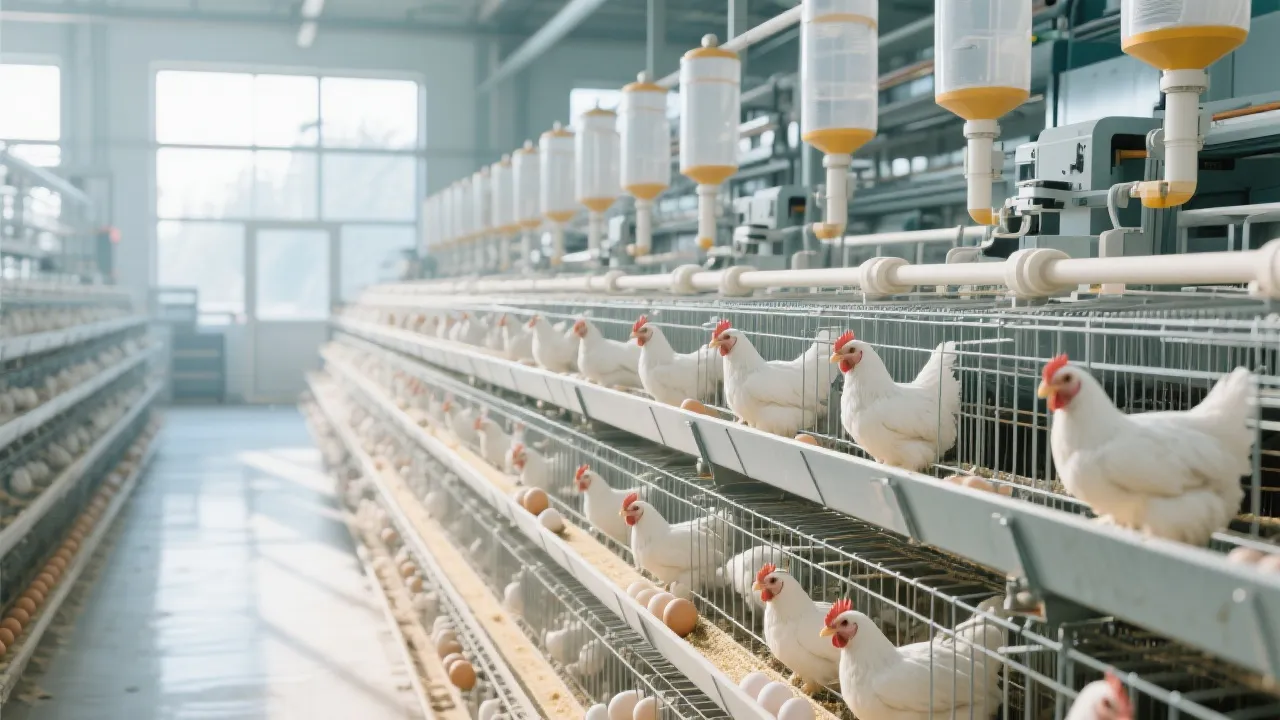
Selecting the right coating for a layer battery cage is a long-term decision—because in commercial egg production, corrosion, cleaning frequency, and maintenance downtime directly affect daily management and total cost of ownership.
This page explains how alu-zinc alloy coated layer cages compare with traditional hot-dip galvanized cages, and provides a practical, on-site quality evaluation checklist for H-type layer battery cage systems.
Related product (Layer Battery Cage series)
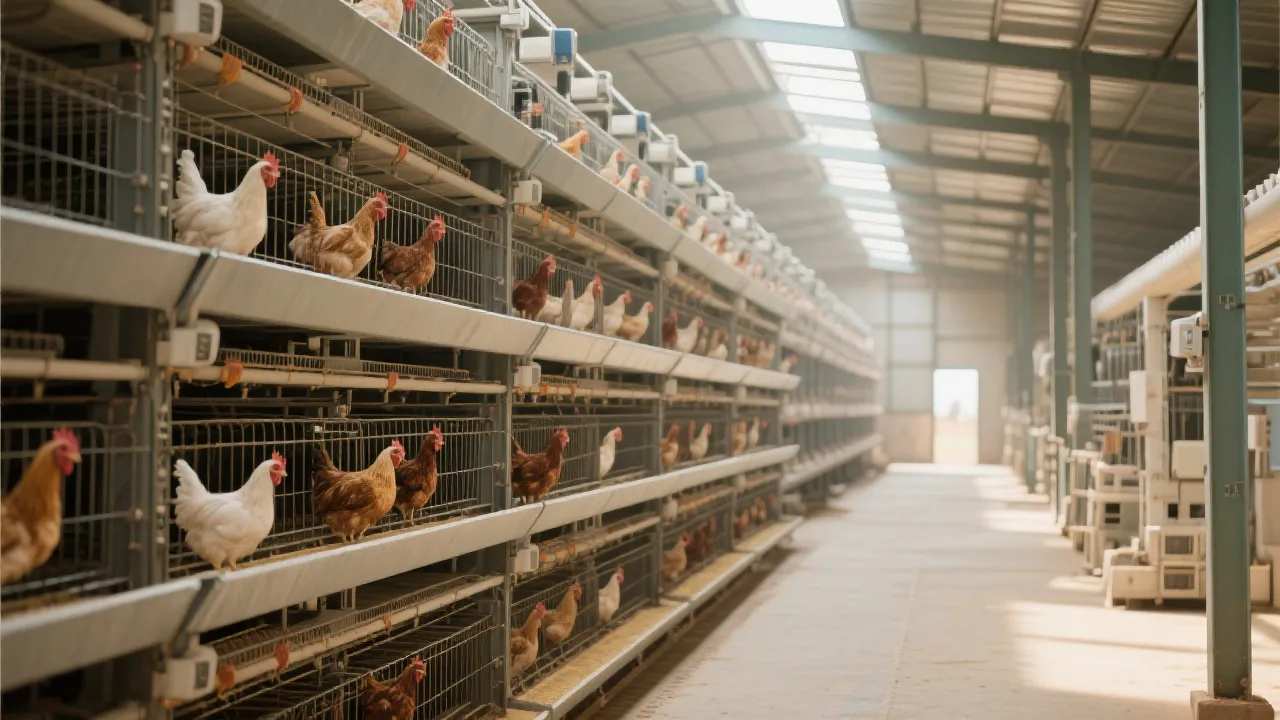
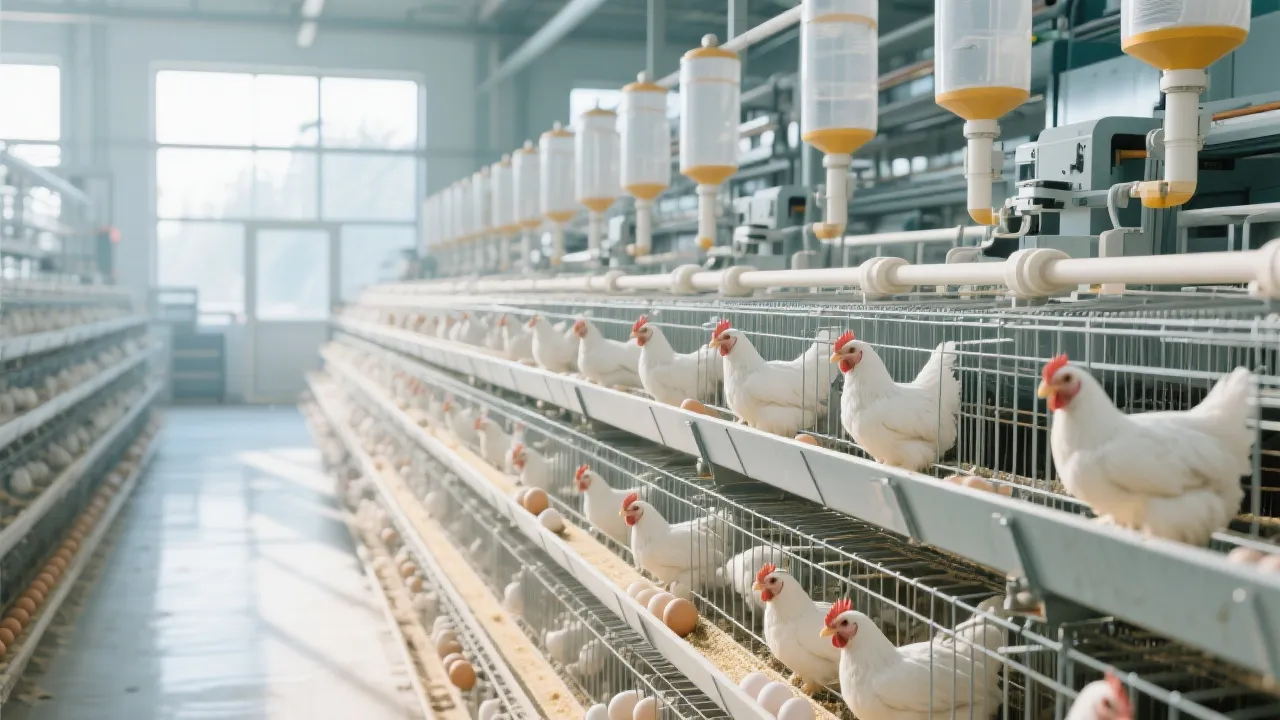
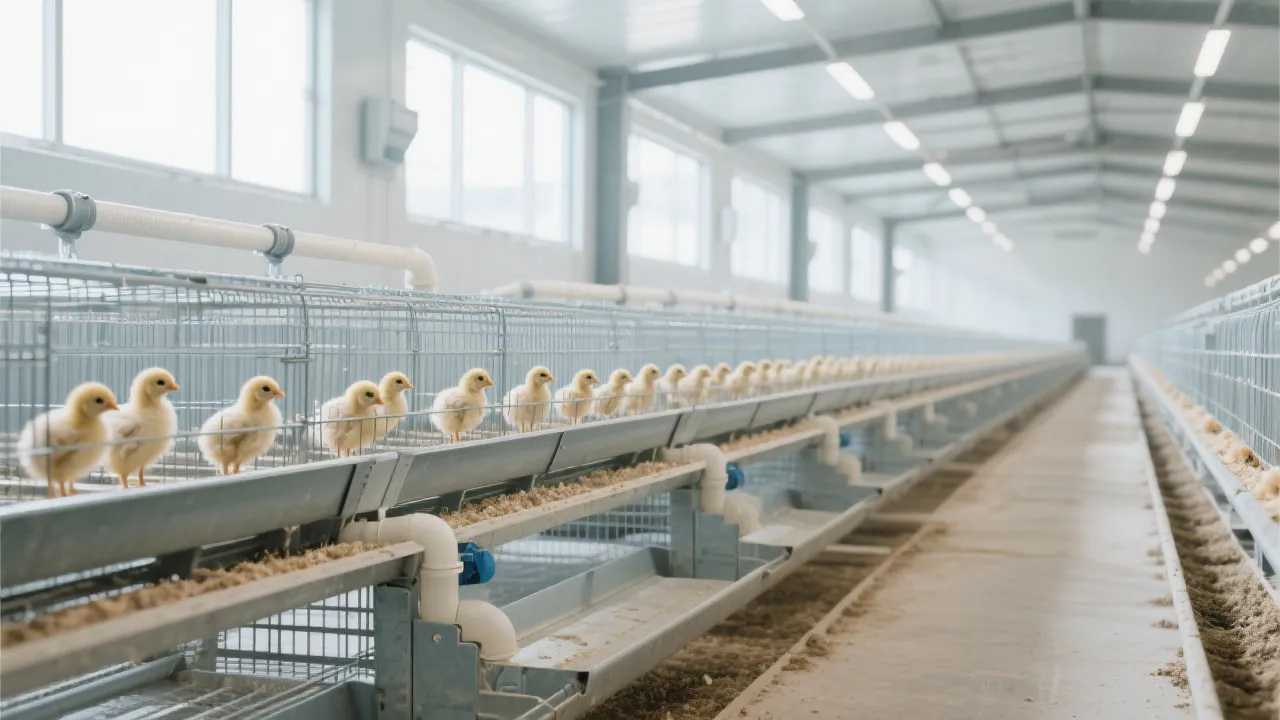
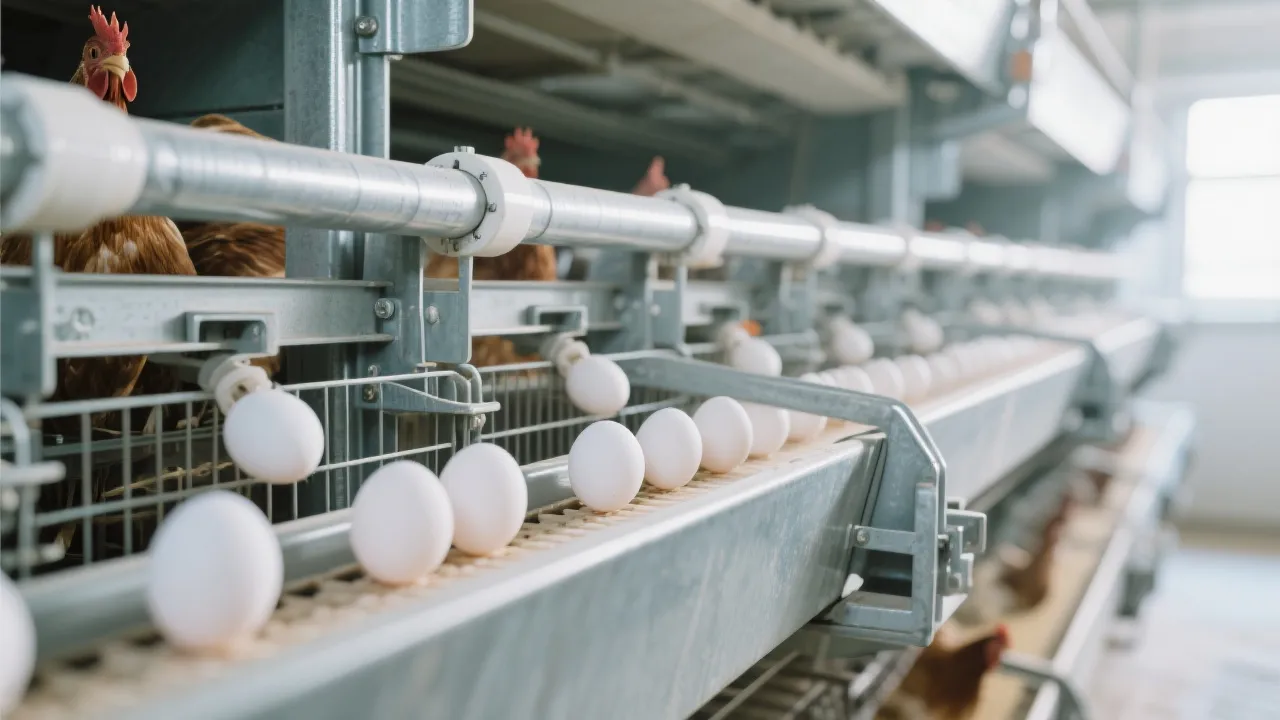
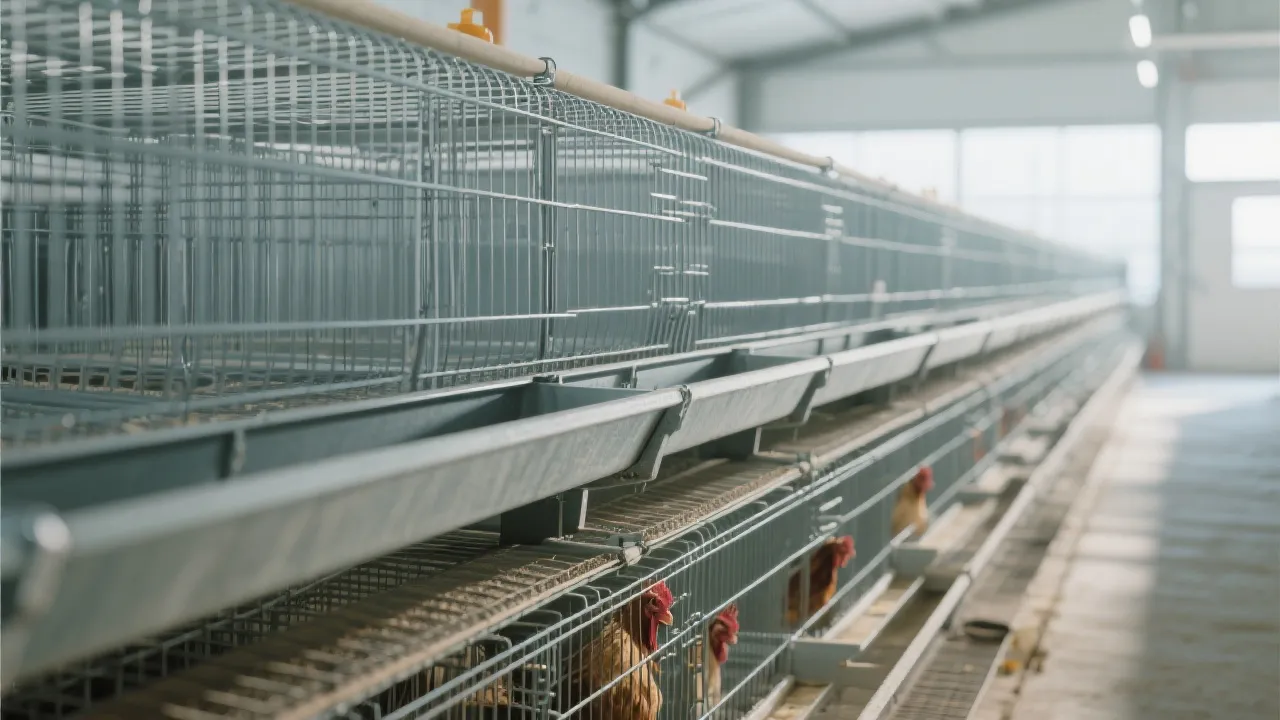
High-efficiency H-type Layer Egg Chicken Cage
- Capacity reference: 5,000–30,000 layers (farm-size dependent)
- Material: Q235 steel
- Surface options: hot-dip galvanized / alu-zinc alloy coated
- Designed for automated egg collection & manure removal
1) What’s the Difference: Alu-Zinc Alloy Coating vs Traditional Galvanizing
Practical note: “Coating type” alone doesn’t guarantee performance. In poultry houses, real durability comes from the combination of coating quality, fabrication details (welds, edges, fasteners), and daily management (ventilation, moisture control, cleaning).
2) Quality Checklist: How to Evaluate an H-type Layer Battery Cage On-site
A. Coating & corrosion-control details
- Uniform appearance: Check for consistent finish and color across mesh, frames, and supports; avoid patchy areas.
- Edges & corners: Inspect cut edges, corners, and punched holes—these are common starting points for corrosion if coverage is weak.
- Weld areas: Look closely at welds for exposed steel, spatter, or sharp burrs; confirm weld zones are properly protected and finished.
- Adhesion & scratch resistance: Ask how the coating is applied and what post-treatment is used; inspect for flaking around contact points.
- Fasteners & accessories: Confirm bolts, brackets, and connectors use corrosion-resistant materials compatible with the cage coating.
B. Structural strength & bird safety
- Wire mesh quality: Verify wire thickness consistency and firmness; weak mesh can deform over time and affect bird comfort.
- H-type frame stability: Check column supports and connections for rigidity; a stable frame helps alignment of automation lines.
- Smooth contact surfaces: Ensure no sharp edges on doors, feeders, or mesh ends to reduce injury risk and feather loss.
- Dimensional consistency: Measure several cage units—consistent dimensions make installation, egg collection, and manure belts run more smoothly.
C. Automation readiness (eggs & manure)
- Egg collection alignment: Confirm collection paths are straight and stable; misalignment can increase breakage and maintenance.
- Manure cleaning design: Assess how the manure removal system is integrated and whether cleaning access is convenient.
- Service access: Ensure there is enough aisle and equipment-access space for daily inspection and periodic maintenance.
- Integration with house systems: Consider compatibility with ventilation and temperature control plans—stable house climate protects both birds and metal parts.
D. Documentation you should request
- Quality system and compliance: Confirm the supplier follows relevant quality and environmental management standards (e.g., ISO9001 / ISO14001) and can support CE-related documentation when applicable to the configuration.
- Material specification: Ask for confirmation of steel grade (Livi Machinery uses Q235 steel for the cage structure).
- Coating process description: Hot-dip galvanizing or alu-zinc alloy coating details, including coverage for critical areas (edges, welds).
- Installation and operation manuals: Clear guidance reduces setup errors and helps keep long-term performance stable.
3) How Livi Machinery Builds a Reliable H-type Layer Cage System
Zhengzhou Livi Machinery Manufacturing Co., Ltd. (brand: Livi Machinery) has focused on poultry farming equipment since 2013. We manufacture and deliver layer battery cage solutions for global commercial poultry markets, supporting projects from farm planning to delivery and installation coordination.
High-efficiency H-type Layer Egg Chicken Cage — core facts
- Farm capacity range: designed for projects around 5,000–30,000 layers (configuration-based).
- Durability design: Q235 steel with hot-dip galvanizing and alu-zinc alloy coating options; typical service life target under normal management is 15–20 years as stated for this product line.
- Operational efficiency: H-type structure supports space utilization and management convenience for feeding, cleaning, and egg collection.
- Automation options: automated egg collection and manure cleaning systems to help reduce labor intensity.
- Environment adaptability: designed to support ventilation and temperature-control planning for healthier flock management.
Quality-first manufacturing mindset
From raw material screening to outgoing inspection, Livi Machinery follows strict internal checks. For buyers, this means you can request clearer specifications and inspection points—especially on coating quality, weld finishing, and assembly consistency.
Global project experience (B2B)
We have served customers in more than 70 countries and visited 1,000+ farms, helping teams evaluate cage-room layouts, select configurations, and prepare for installation—aligned with local climate and management habits.
4) Choosing Between Alu-Zinc and Galvanized: A Practical Decision Path
- Define your house environment: humidity level, manure handling method, and ventilation quality. More corrosive conditions usually justify stronger corrosion-control choices.
- Confirm the project horizon: if you plan to operate the house long-term with stable flock cycles, coating durability and maintenance convenience become more important than initial price alone.
- Audit the “high-risk points”: welds, edges, bolt zones, manure-belt regions, and waterline proximity. These areas reveal true manufacturing quality quickly.
- Match coating choice to management capability: strong ventilation, routine cleaning, and controlled washing practices help either coating perform better.
- Request a clear configuration list: cage rows/tiers, automation components, and spare-parts plan to avoid hidden long-term costs.
Talk to Livi Machinery about your layer cage configuration
If you are choosing between alu-zinc alloy coated and traditional galvanized H-type layer battery cages, share your farm capacity target (e.g., 5,000–30,000 birds), house dimensions, climate, and preferred automation level. Our team can help you review coating options, inspection points, and an equipment list aligned with your egg production plan.


Hot Products

.jpg?x-oss-process=image/resize,m_fill,h_800,w_800/format,webp)


Popular articles



READY TO START?
Ready to Build Your Poultry Farm?
Tell us your land size, poultry type and farming capacity. LIVI will provide a complete farm solution for your project.