


Al-Zn Alloy Coated Stackable Layer Chicken Cages: Space Optimization and Corrosion Resistance Explained
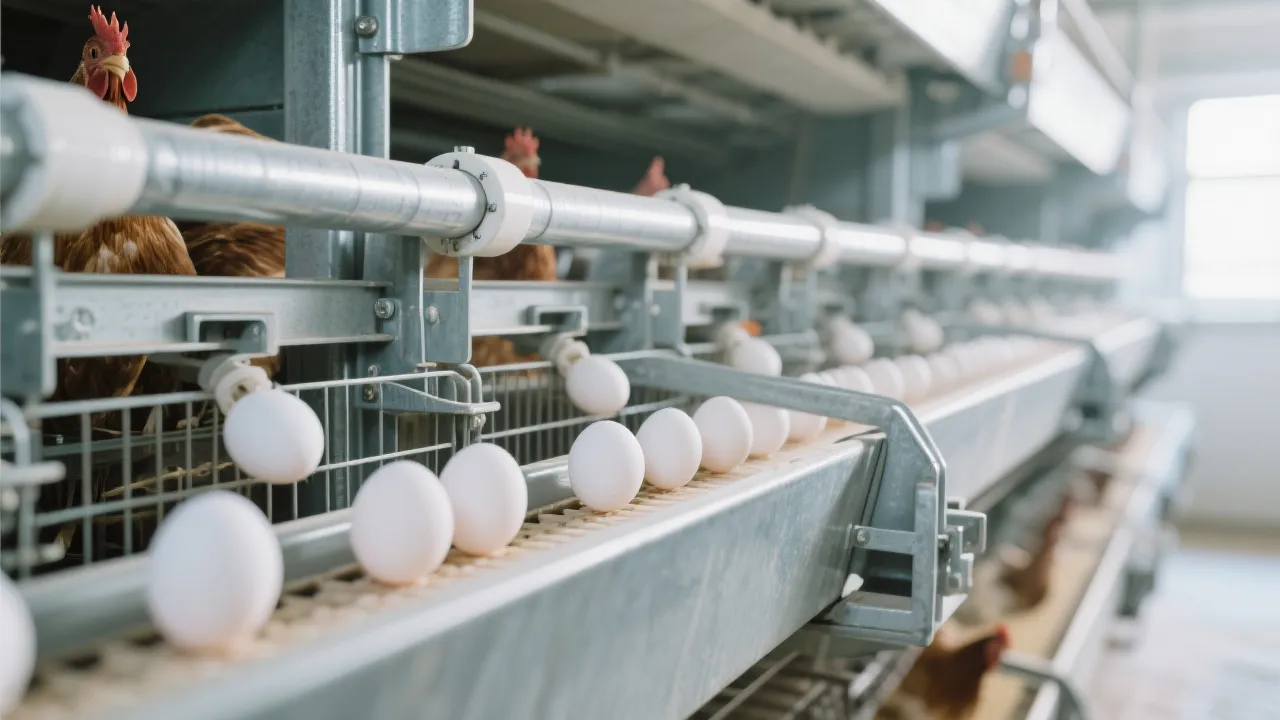
How Aluzinc-Coated Tiered Layer Chicken Cages Optimize Space: A Practical Technical Breakdown for Farm Upgrades
In modern egg production, “more birds per building” is only meaningful when the system stays stable: structure must carry consistent loads, corrosion must be controlled, and daily hygiene must remain manageable. Tiered layer cage systems with an aluminum-zinc alloy coating (commonly known as Aluzinc) are increasingly chosen because they address all three—especially where land, construction budgets, or barn layouts limit horizontal expansion.
1) The Real Bottlenecks of Traditional Cages: Space Loss + Hidden Maintenance Costs
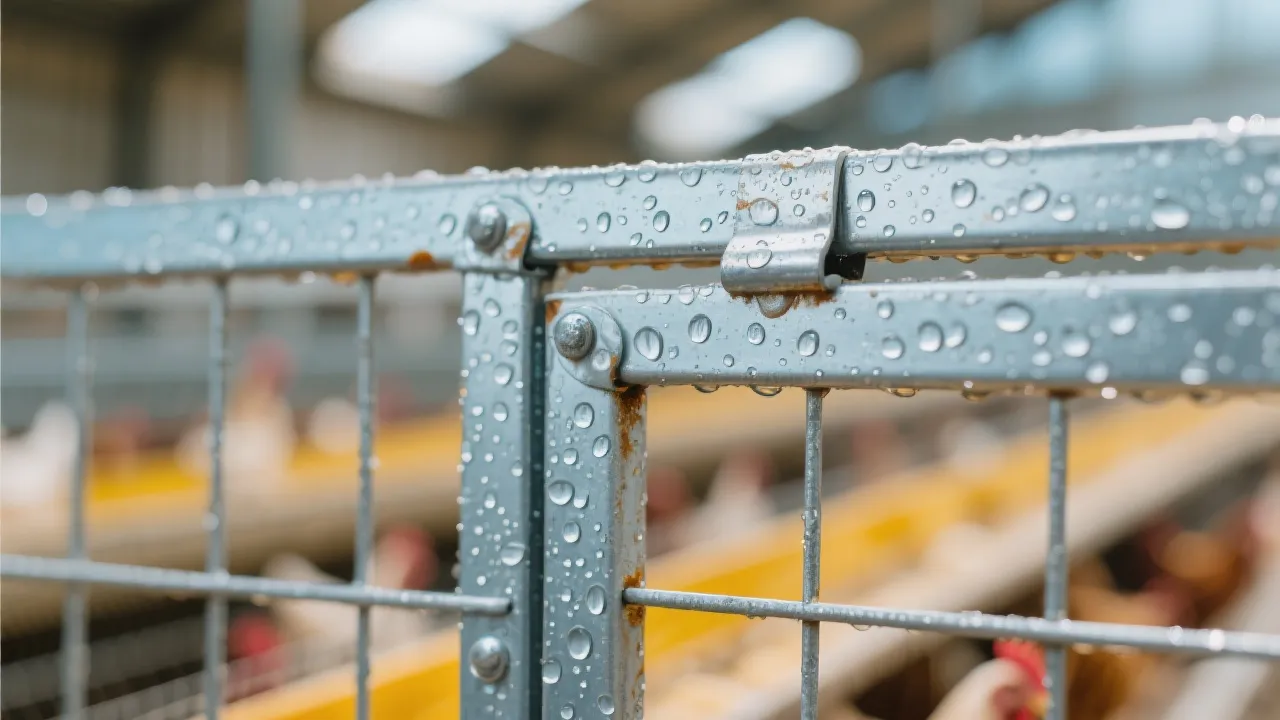
Conventional single-tier or low-tier cage rows often leave “dead space” above the cages. That unused height can represent 35–55% of the building volume in many older sheds, especially those built with higher rooflines for ventilation. Meanwhile, common hot-dip galvanized or painted steel components are exposed daily to moisture, ammonia, and manure-related acidity—factors that accelerate corrosion and make cleaning harder over time.
Operational symptoms farms usually notice first
- Limited capacity without expanding building footprint
- Rust spots around welded joints, edges, or high-humidity zones
- More labor time for washing, scraping, and sanitation
- Uneven cage stability after years of load stress and corrosion
For decision-stage buyers, the priority is not “new equipment” but a predictable ROI: capacity increase, lower upkeep, smoother daily management, and fewer mid-cycle repairs.
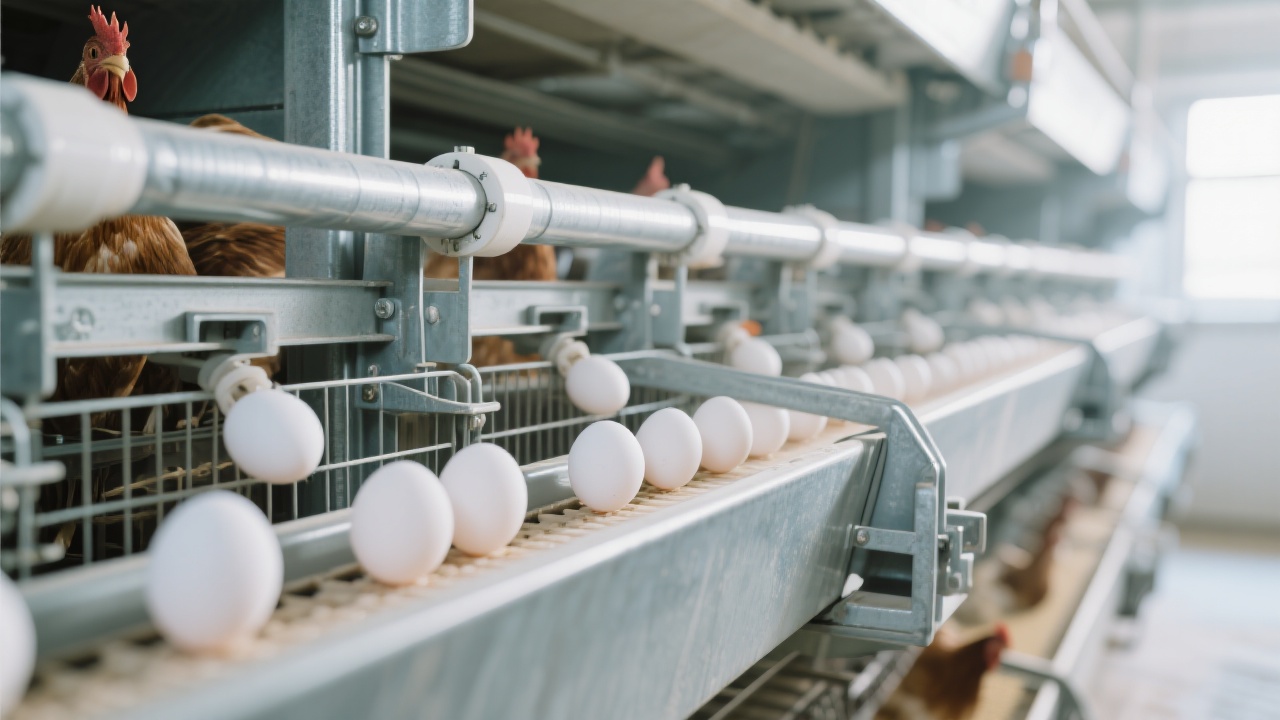
2) How Tiered Structure Delivers “Vertical Compression” Without Sacrificing Access
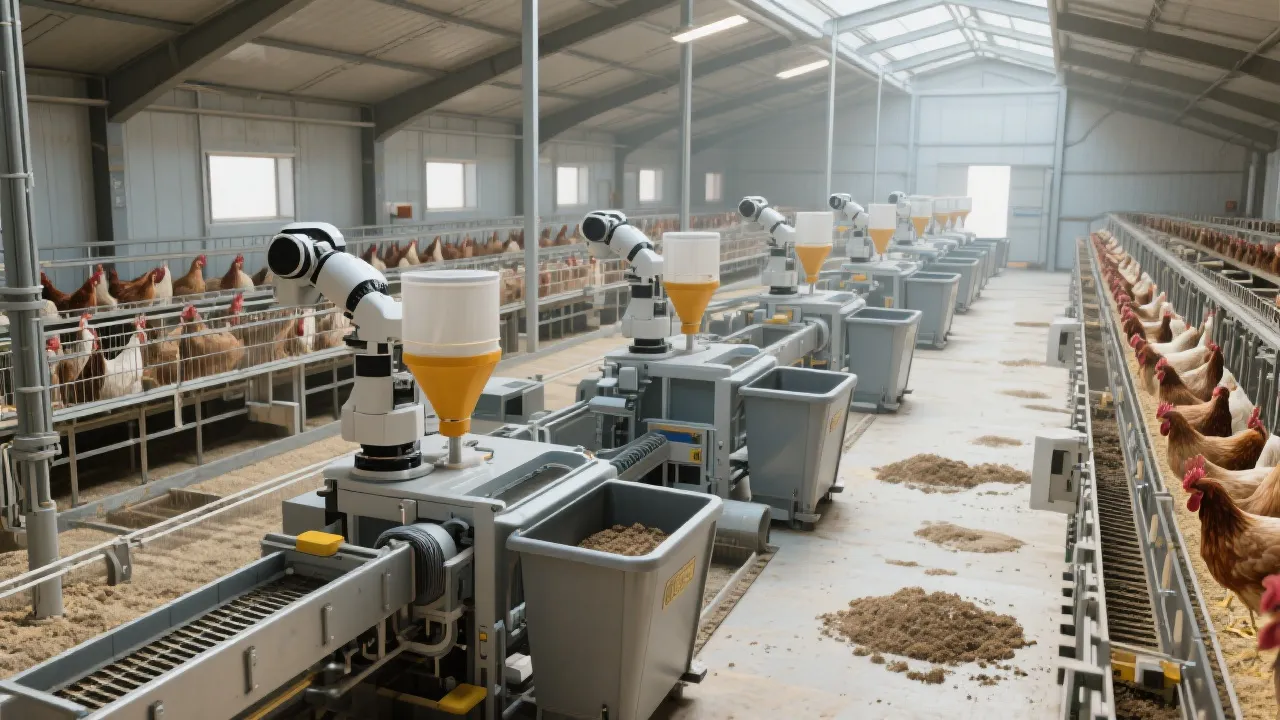
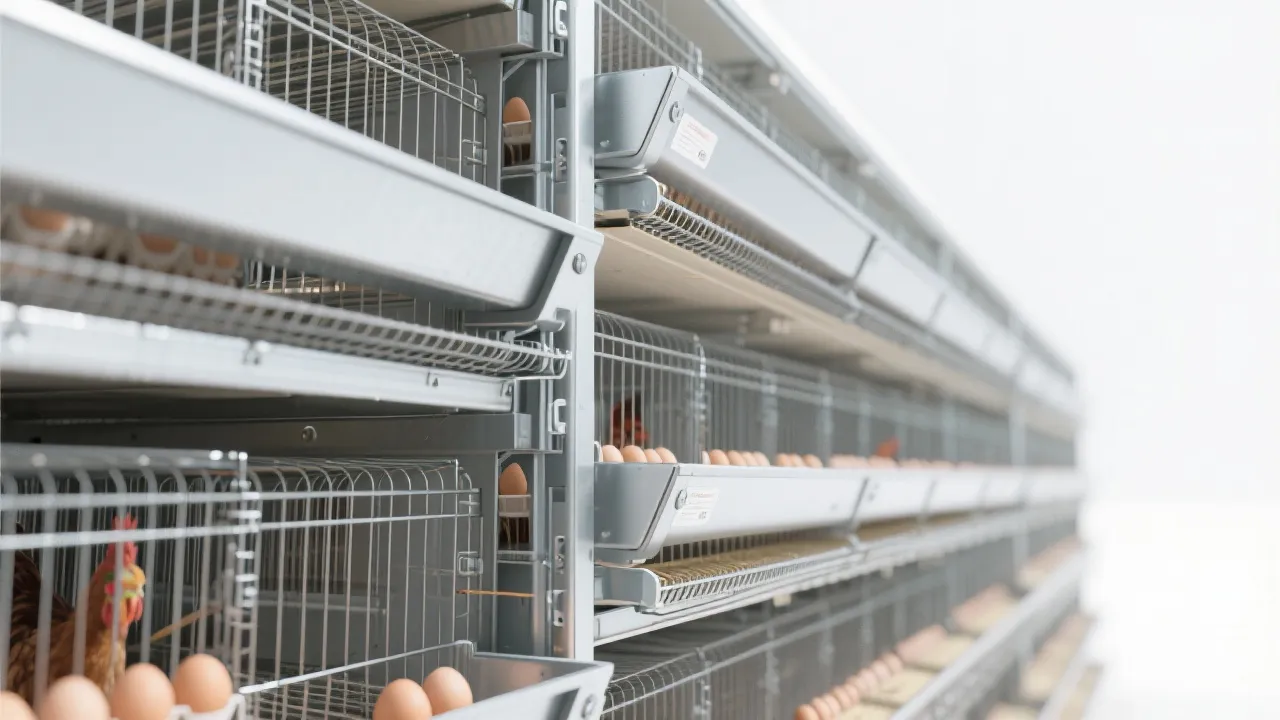
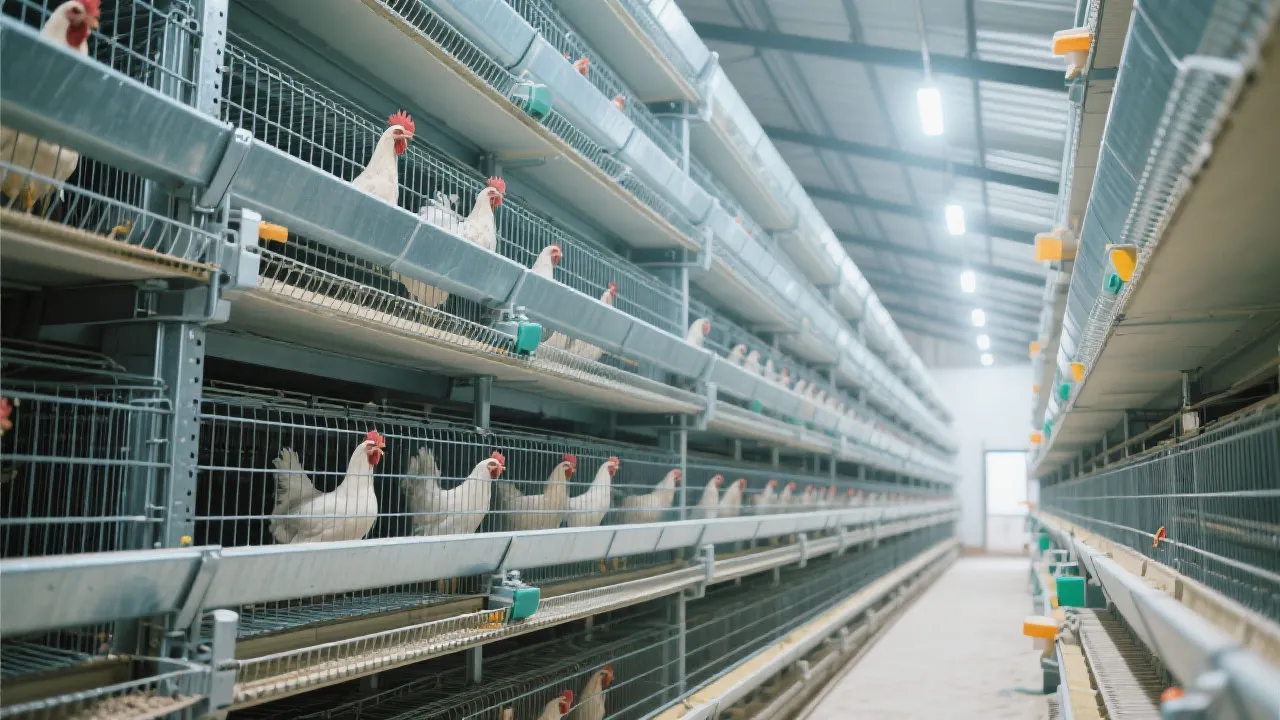
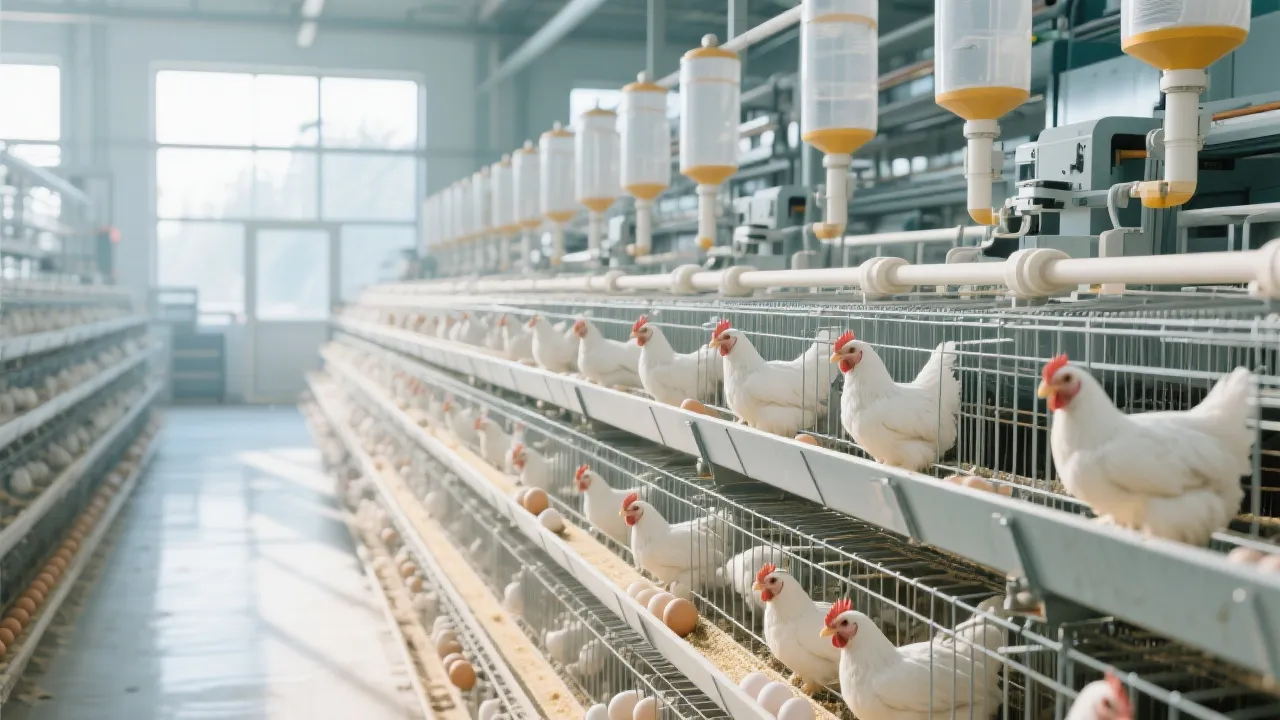
A tiered (stacked) layer cage system is essentially a structural and workflow redesign. Instead of spreading cages across the floor to reach target capacity, the system uses height—turning previously unused volume into productive space.
Key design logic behind tiered space optimization
- Vertical capacity scaling: moving from 1–2 tiers to 3–4 tiers can reduce required floor area by roughly 25–45% for the same bird count, depending on aisle width, feeder/drinker configuration, and service space.
- Standardized module spacing: uniform bay and column geometry improves load transfer and limits cage drift or misalignment over time.
- Access-first aisle planning: well-planned service corridors maintain inspection visibility and simplify routine tasks (egg collection, feed checks, mortality handling).
In practice, farms upgrading from older layouts often report the biggest gains in buildings where expansion is constrained—urban-edge sites, retrofit sheds, or facilities where land is available but construction permitting is slow. Using vertical space is frequently the most controllable route to capacity.
3) Why Aluminum-Zinc Alloy Coating Matters in Poultry Environments
Poultry houses are corrosive by nature. Moisture, temperature swings, disinfectants, and ammonia from manure create an environment that tests any metal surface. Aluminum-zinc alloy coatings are widely used in high-corrosion industries because they can provide a “barrier + sacrificial” protection mechanism.
A plain-language look at the anti-corrosion mechanism
In simplified terms, the coating forms a dense protective layer. The aluminum content helps create a stable barrier film, while the zinc content contributes sacrificial protection in areas where the surface might be scratched. This combination can slow down red rust formation and help components maintain strength over longer cycles.
For many farms, this translates into fewer corroded joints and less “surface breakdown” that traps dirt—meaning sanitation stays easier for longer.
Under typical intensive layer-house conditions, a well-manufactured Aluzinc-coated cage structure can reasonably target 8–12 years of service life, while standard painted steel or lower-grade galvanized products may show significant corrosion-related issues in 4–7 years (highly dependent on ventilation, manure handling, washdown frequency, and disinfectant choice).
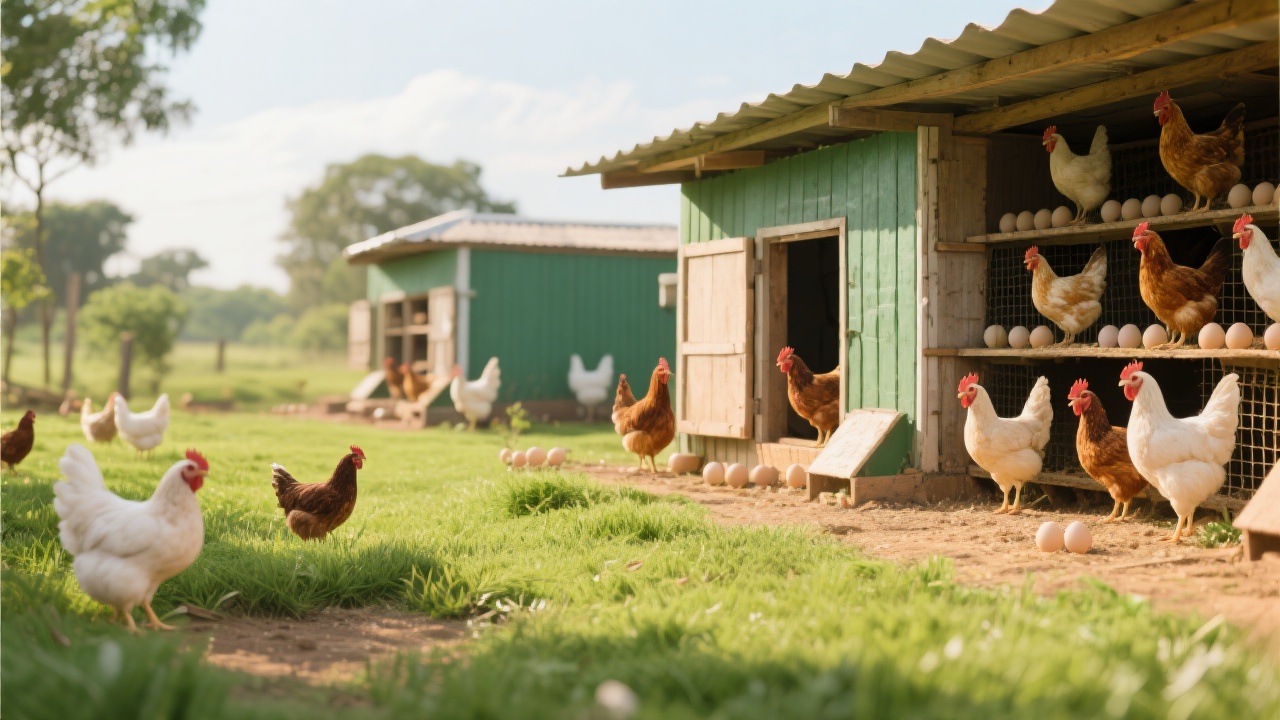
4) Tiered Aluzinc vs. Regular Galvanized or Iron Cages: What Changes in Daily Work?
Buyers often compare cages based on “thickness” or “price per set,” but the most costly difference is usually what happens after installation: cleaning time, downtime, and the speed at which corrosion creates hygiene problems. Below is a practical comparison that procurement teams can use for technical evaluation.
| Decision Factor | Tiered Aluzinc-Coated Layer Cage | Regular Galvanized / Iron Cage |
|---|---|---|
| Space utilization (same building) | Typically +30–80% capacity potential when moving to 3–4 tiers (site dependent) | Limited by floor layout; unused height remains |
| Corrosion resistance in humid/ammonia zones | Stronger long-term surface protection; slower rust spread after minor abrasion | More frequent rust at edges, welds, and high-splash areas |
| Cleaning & hygiene management | Smoother surfaces tend to trap less dirt; cleaning workload often reduced by 10–25% | Surface roughness increases with corrosion; more scraping/washdown time |
| Structural stability under long cycles | Tiered frame distributes load; better suited for high-density layouts | Higher deformation risk in low-grade frames, especially after corrosion |
| Expected service life (typical management) | 8–12 years target range | 4–7 years common range |
The operational takeaway is simple: tiering solves the space problem, while Aluzinc coating reduces the speed at which corrosion turns into labor, sanitation, and replacement costs.
5) Field Results: What a Typical Upgrade Can Look Like in Numbers
In a common retrofit scenario—an existing layer house that switches from a lower-tier layout to a 3–4 tier system—capacity gains usually come from reclaiming vertical volume rather than increasing building size. A mid-size farm (e.g., 20,000–50,000 layers) often targets a measurable improvement in space efficiency first, then operational stability.
Space & capacity
Same building footprint, tiered redesign can deliver +30–60% more birds in many real layouts (depending on aisle and equipment arrangement).
Maintenance & downtime
Farms typically report fewer corrosion-triggered repairs; planned maintenance can drop by about 15–30% over a multi-year cycle when coating and ventilation are well matched.
Hygiene workflow
A cleaner surface condition can reduce washing and scraping time by 10–25%, and helps keep biosecurity routines consistent during peak production periods.
These outcomes are not automatic: performance depends on manure removal strategy, ventilation design, drinker management (leak control), and cleaning SOPs. That said, the structural direction is clear—tiered design improves space economics, and Aluzinc coating improves time economics.
6) What Buyers Should Verify Before Choosing a System
Decision-stage procurement is about risk control. For tiered Aluzinc-coated layer cage systems, buyers typically validate a few technical checkpoints to ensure the upgrade performs as expected in their specific climate and management style.
- Tier count vs. barn height: confirm service clearance, lighting layout, and ventilation path are not compromised.
- Load-bearing structure: check column spacing, base support design, and long-run stability under full stocking.
- Coating quality & consistency: look for uniform surface condition and reliable edge protection in high-moisture zones.
- Hygiene design: ensure manure management, waterline placement, and access points support practical cleaning.
- Spare parts & technical support: standardization reduces downtime when components need replacement.
As a manufacturer focused on livestock and poultry equipment, Zhengzhou Livi Machinery Manufacturing Co., Ltd. commonly supports farms with layout planning and configuration matching, because “space optimization” is not one-size-fits-all—it’s a site-specific engineering decision.
Get a Deployment Plan That Fits Your Barn (Free Technical Pack)
Want to evaluate a tiered Aluzinc-coated layer chicken cage system with realistic capacity and aisle calculations for your house size? Request a practical technical pack with configuration options, layout references, and selection checkpoints.
Request the Tiered Layer Chicken Cage Technical PackTypical response time: 24–48 hours (please include barn dimensions, target capacity, and your manure removal method).




Hot Products

.jpg?x-oss-process=image/resize,m_fill,h_800,w_800/format,webp)


Popular articles




READY TO START?
Ready to Build Your Poultry Farm?
Tell us your land size, poultry type and farming capacity. LIVI will provide a complete farm solution for your project.