


5000-Layer Poultry Farm Automation Case Study: Boosting Efficiency with H-Type Layer Cage Systems

How a 5,000-Hen Farm Transformed with Automated Cage Systems
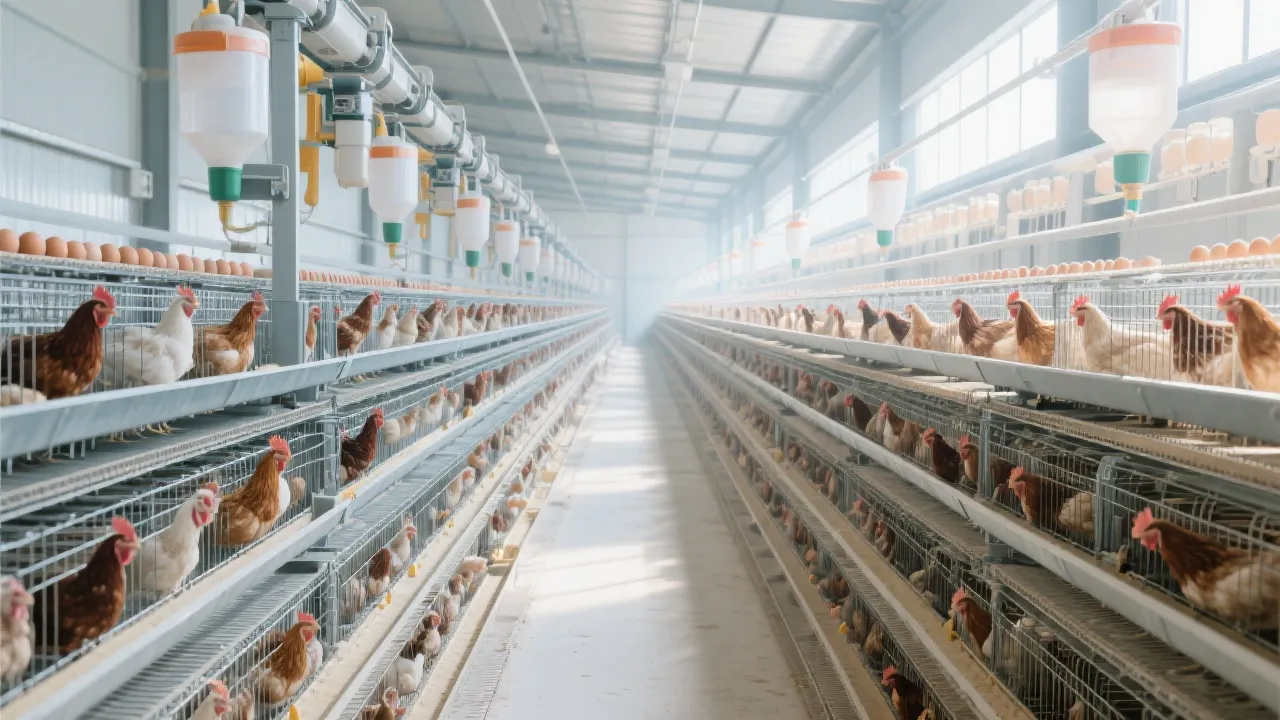
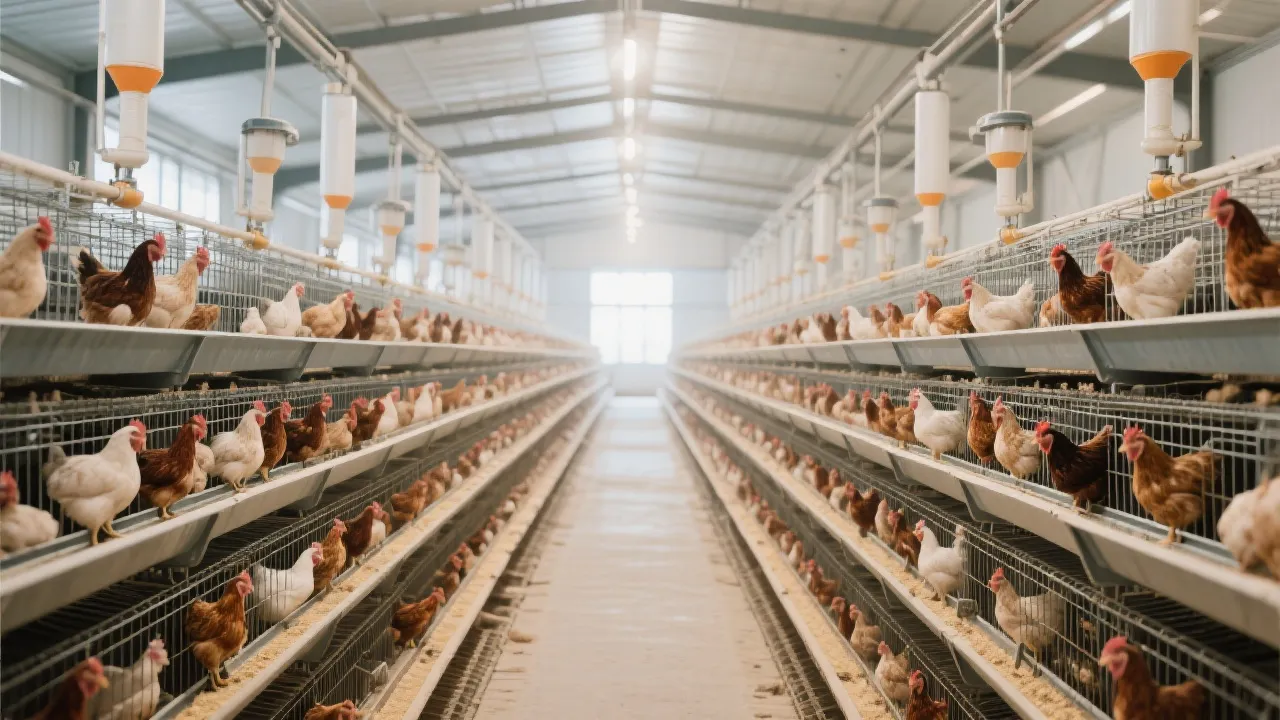
For decades, large-scale egg producers have relied on manual labor for feeding, cleaning, and collecting eggs—until now. A case study from a mid-sized farm in the Netherlands demonstrates how integrating an H-type multi-tier automated chicken cage system cut operational costs by 35%, increased daily egg yield by 8%, and improved flock health through better hygiene control.
The Pain Points of Traditional Egg Farms
At over 5,000 hens, most farms face three core challenges:
- Labor intensity: Up to 4–6 workers per shift needed for basic tasks like manure removal and egg collection.
- Health risks: Poor ventilation and fecal buildup lead to higher disease incidence—especially coccidiosis and respiratory infections.
- Inefficiency: Manual processes cause delays, inconsistent egg quality, and reduced productivity during peak laying seasons.
These issues are not just costly—they’re unsustainable in today’s global market where buyers demand traceability, consistency, and ethical standards.
Why the H-Type Cage System Works
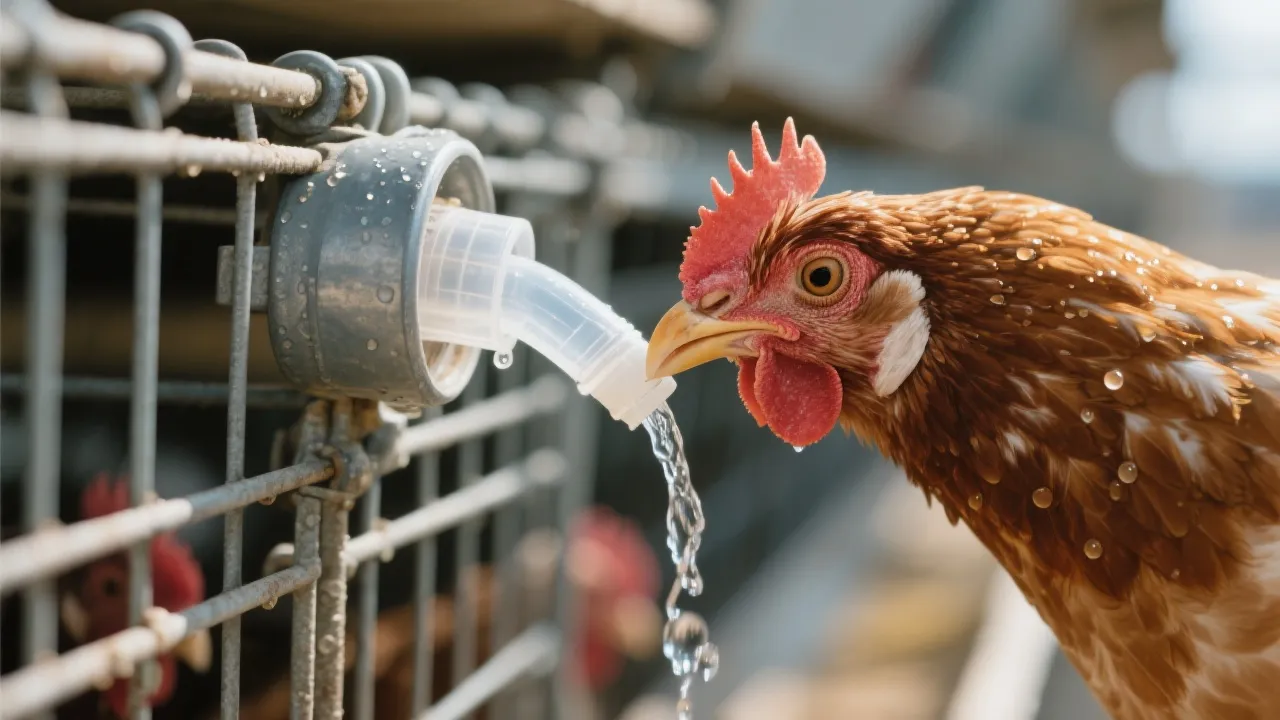
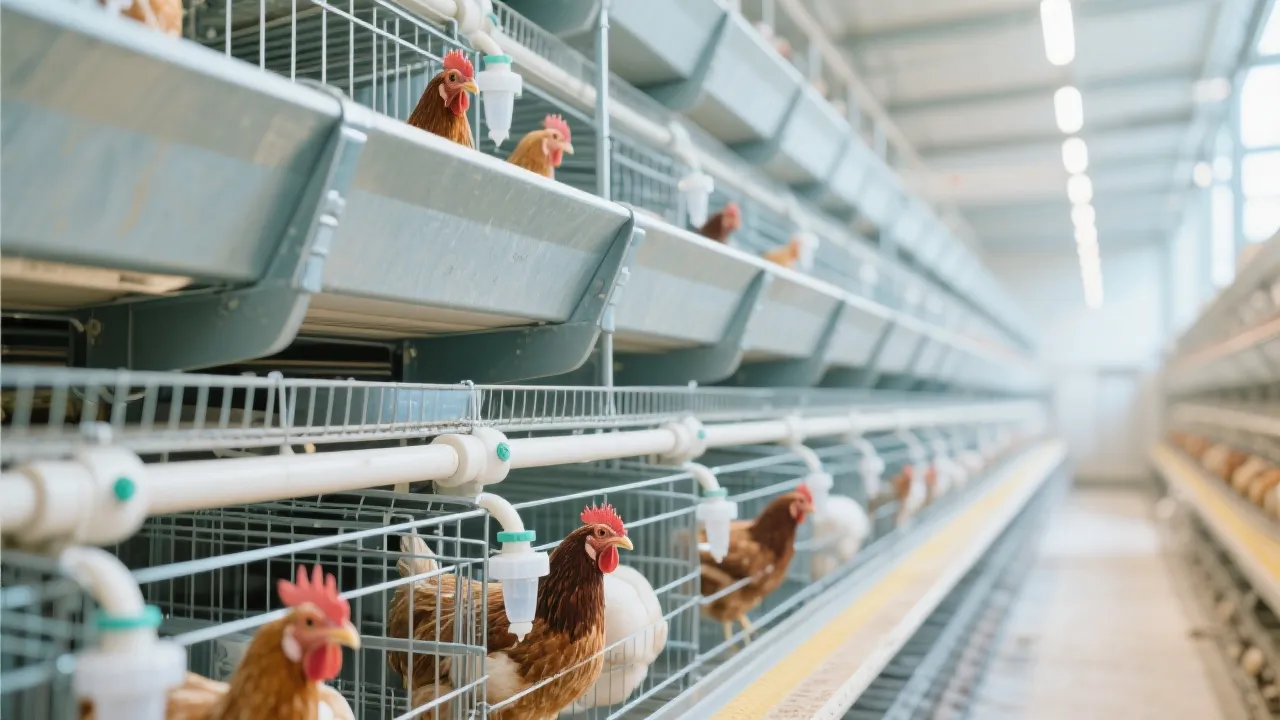
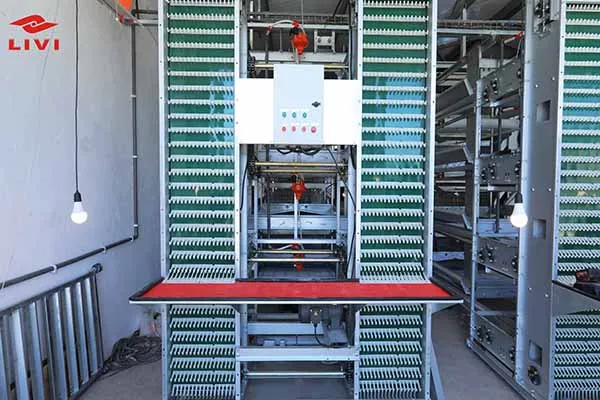
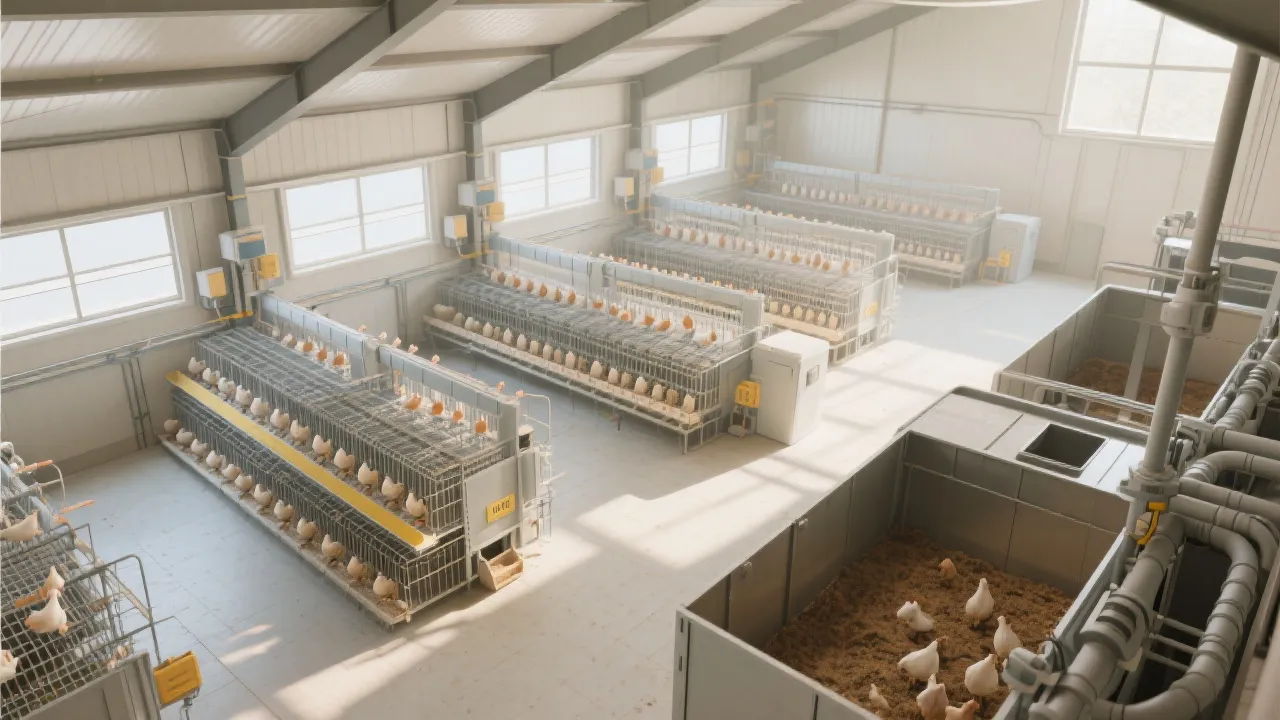
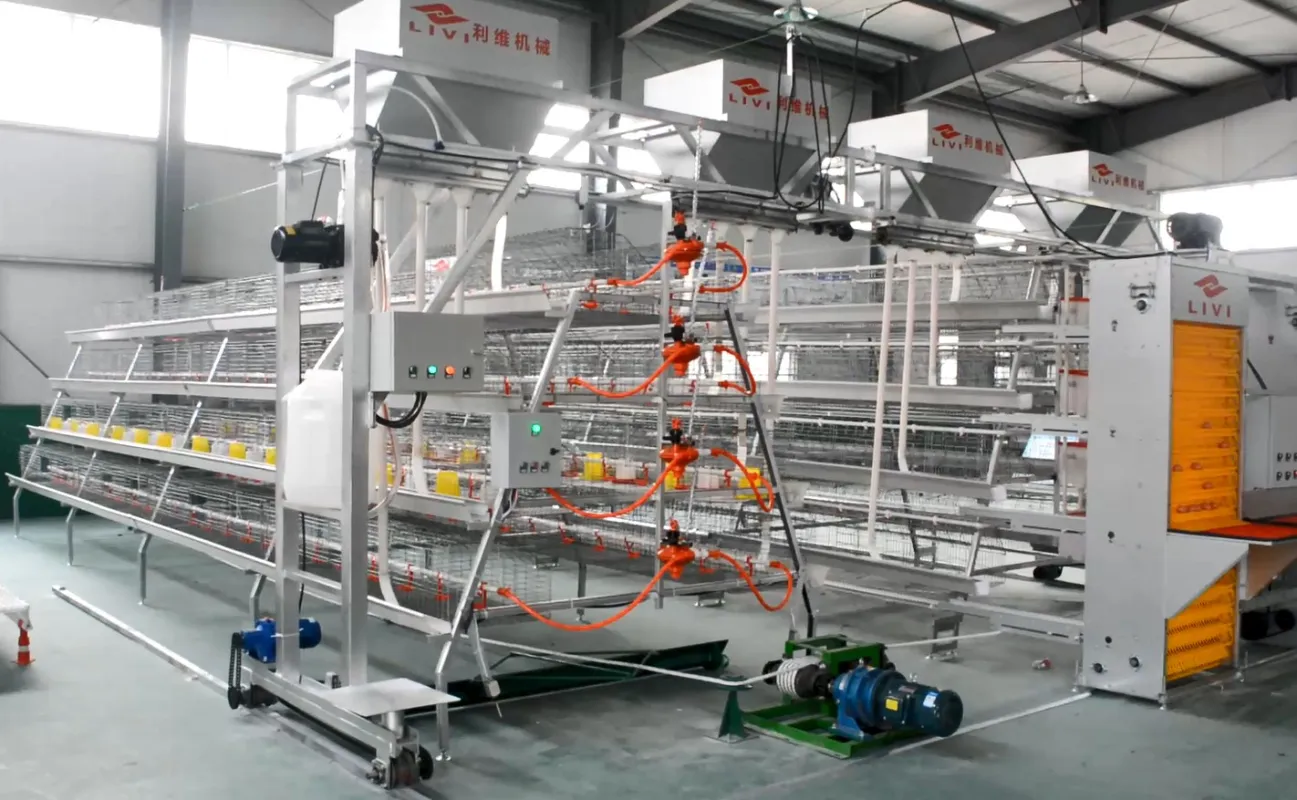
The solution lies in integrated automation. The H-type layer cage design combines two critical functions into one seamless workflow:
| Feature | Impact |
|---|---|
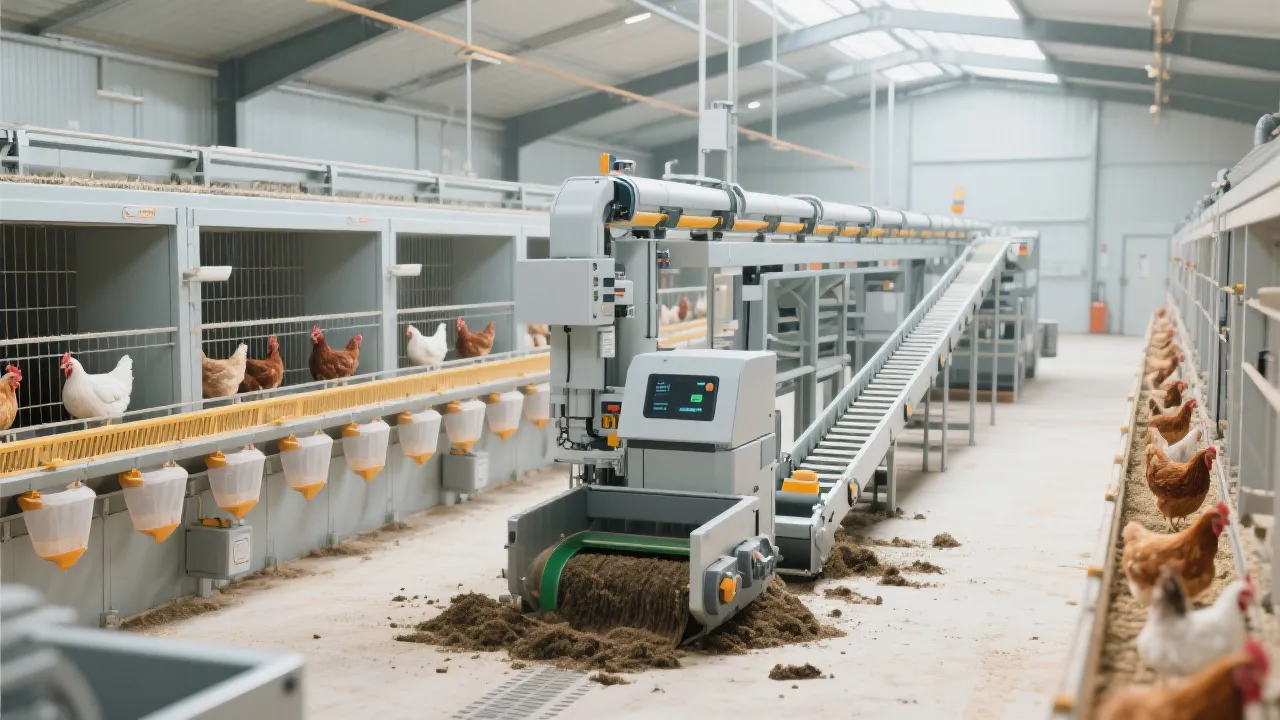
| Auto-manure removal (conveyor belt) | Reduces cleaning time by 70% + lowers ammonia levels by 45% |
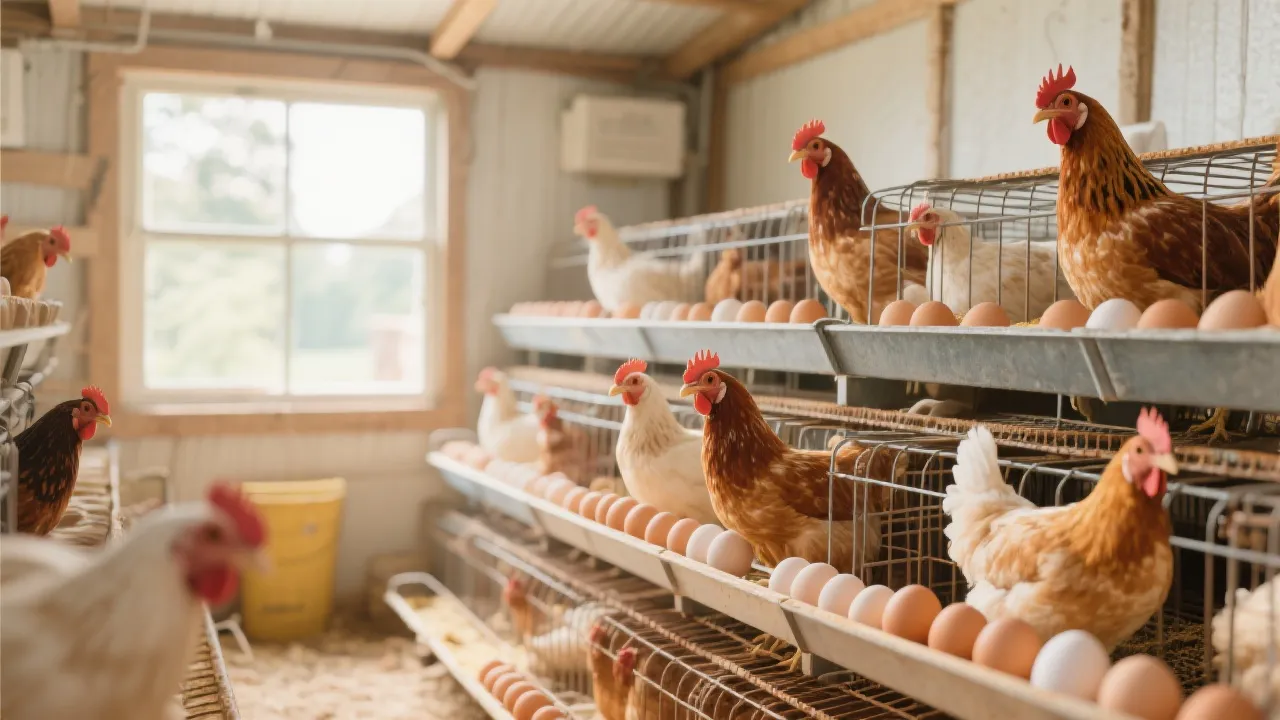
| Synchronized egg collection tray | Increases egg recovery rate from 88% to 96% per day |
| Modular structure for easy maintenance | Allows quick access to each tier without disrupting production |
“We were skeptical at first,” says Jan van Dijk, owner of De Vlinder Farm. “But after six months, our team saw real changes—not just in numbers, but in how the birds behaved. They’re calmer, healthier, and lay more consistently.”
"Our biggest win? We saved €2,300/month in labor alone—and that’s before factoring in fewer sick birds and less feed waste."
— Jan van Dijk, Owner, De Vlinder Farm
Real Results, Real Data
Before automation:
- Manual labor cost: €3,200/month
- Average daily egg output: 4,200 eggs
- Manure management: 2x/day, 3 hours per session
After installing the H-type system:
- Manual labor cost: €2,050/month (↓35%)
- Average daily egg output: 4,536 eggs (+8%)
- Manure management: Fully automated, no direct labor required
These gains weren’t accidental—they came from thoughtful integration of technology with animal welfare principles. The system also meets ISO 9001 and CE certifications, giving international buyers confidence in compliance and safety.
What’s Next? Smart Farming Platforms
Looking ahead, many farms are exploring IoT-enabled monitoring systems that track temperature, humidity, feed consumption, and even individual hen behavior via AI sensors. This data helps predict drops in production or early signs of illness—before they become problems.
If you're managing a 5,000+ hen operation, this isn't just about efficiency—it's about staying competitive in a rapidly evolving industry.



Hot Products

.jpg?x-oss-process=image/resize,m_fill,h_800,w_800/format,webp)


Popular articles




READY TO START?
Ready to Build Your Poultry Farm?
Tell us your land size, poultry type and farming capacity. LIVI will provide a complete farm solution for your project.